

Prime Minister Takaichi Maintains High Approval Despite Policy Controversies
Prime Minister Takaichi maintains strong public approval by challenging traditional policy norms, despite internal party friction and controversy surrounding…
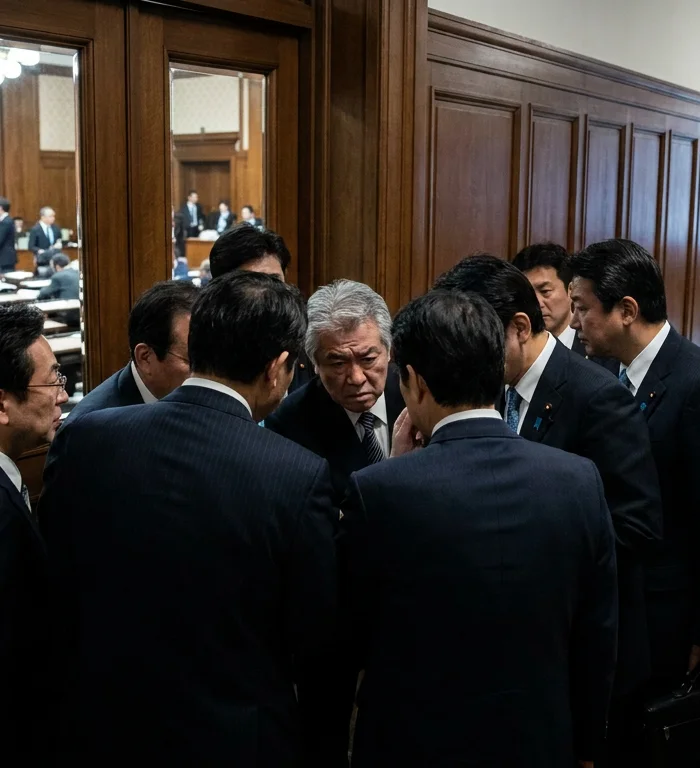
Prime Minister Takaichi Sanae has maintained approval ratings between 42.8% and 58% one year into her term, defying trends of declining support for incumbents. This sustained popularity persists despite significant public and institutional skepticism regarding specific legislative initiatives, including proposed revisions to the Imperial House Law and a controversial consumption tax reduction.
The proposed consumption tax cut, which aims to lower rates on food products from 8% to 1%, has created internal friction within the Liberal Democratic Party. Fiscal conservatives have expressed concern over the impact on social security funding and national debt management, leading to rare legislative abstentions by senior party members.
Prime Minister Takaichi Sanae
Conversely, the administration has secured public support for structural reforms, such as a 7% reduction in Diet seats elected via proportional representation. Furthermore, the government has faced minimal public backlash regarding significant shifts in defense policy, including the authorization of lethal arms exports to potential conflict zones.
Reports indicate that upcoming national security documentation may formally challenge Japan’s Three Non-Nuclear Principles by allowing for the potential introduction of American nuclear weapons. Such a policy shift would represent a fundamental departure from long-standing defense doctrine, which has historically been considered politically untouchable.
Analysts attribute Takaichi’s resilience to a public perception that she is actively challenging entrenched technocratic interests associated with Japan’s prolonged economic stagnation. Her ability to balance pragmatic governance with symbolic gestures toward her conservative base has effectively neutralized opposition. The current political landscape remains characterized by a lack of viable, organized opposition within the Diet, further insulating the administration from the political fallout of its more contentious policy decisions.
More stories
- Germans oppose Ukraine aid as poll shows support slipping
- Kim Jong-un receives 10 envoys after constitutional shift
- Ukraine claims Libya strike sinks Russian naval corvette
- COP31 climate talks collapse over fossil fuels and funds
- Russian military faces 1,087 recorded suicides in Ukraine war
- US faces China, Russia in Africa minerals contest
- Trump, Putin and Xi to hold historic trilateral in Shenzhen
- UK and EU seek 3 deals in Burnham reset
Latest news
- Trump prepares tariffs on China and other major exporters
- New-car buyers pay record average $50,087 in October
- Banks face ECB reserve debate over liquidity and profits
- Investors see Anthropic debut gains fade below $83 a share
- Iraq orders federal control over Kurdish-area oilfields
- Nvidia shares retreat as AI rally cools before PCE data
- Macy’s parade faces balloon limits as storm winds approach