

Moderation in AI Capital Expenditure May Reduce Federal Reserve Policy Constraints
A cooling in AI-driven capital investment may reduce inflationary pressure, potentially granting the Federal Reserve more flexibility in its interest rate…
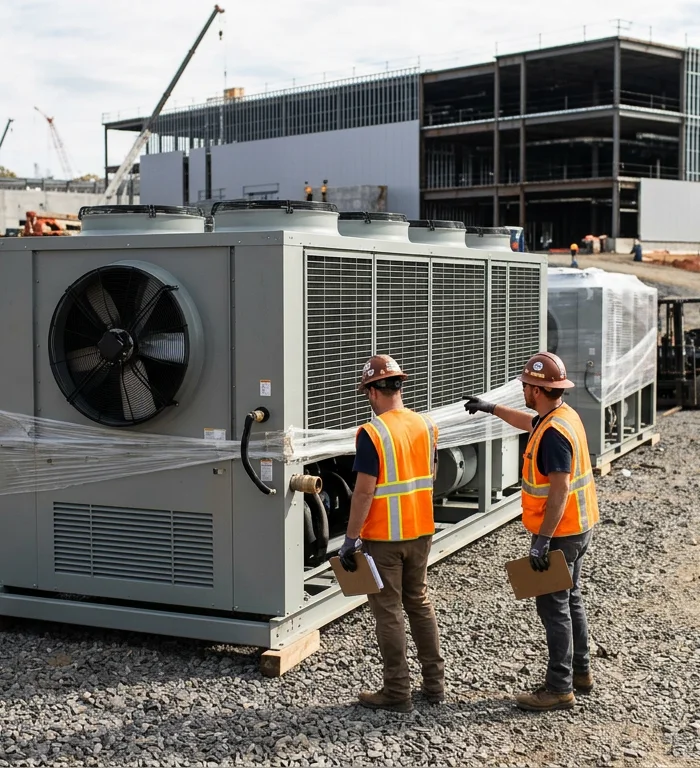
A potential cooling in artificial intelligence-related capital expenditure could alleviate inflationary pressures and provide the Federal Reserve with greater monetary policy flexibility. Current high levels of investment in data centers and advanced semiconductor infrastructure have intensified competition for labor, energy, and capital, contributing to elevated borrowing costs and persistent inflation.
Recent volatility in technology equities, characterized by selloffs among major chipmakers and hyperscalers, correlates with rising Treasury yields and inflation data surprises. This suggests that the current pace of debt-funded expansion in the tech sector is increasingly sensitive to broader macroeconomic conditions.
While structural demand for automation and infrastructure remains, a natural moderation in AI spending would reduce aggregate demand for scarce resources. This shift could mitigate inflationary impulses without necessitating further restrictive monetary policy actions, thereby easing the burden on interest-rate-sensitive sectors of the broader economy. Policymakers are monitoring corporate capital expenditure budgets as a primary indicator of future inflationary trends.
More stories
- Trump prepares tariffs on China and other major exporters
- Banks face ECB reserve debate over liquidity and profits
- Investors see Anthropic debut gains fade below $83 a share
- Iraq orders federal control over Kurdish-area oilfields
- Nvidia shares retreat as AI rally cools before PCE data
- Nvidia board gets Trump input on Jensen Huang return as CEO
- U.S. economy grows 3.4% as household finances lag behind
- Acemoglu urges Democrats to rebuild working-class appeal
- Treasury yields hit 5% as weak auction jars markets anew
- Non-citizen voter registrations show US state system gaps