

Tanker Struck in Hormuz Strait, Raises Shipping Risks
An unidentified tanker in the Strait of Hormuz was hit by a projectile, igniting a fire now controlled, raising concerns for global oil transit.
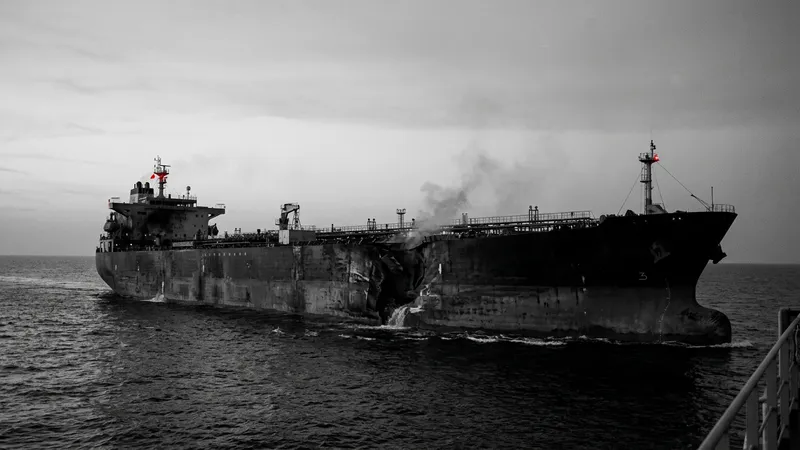
A British maritime security organization reported early Thursday that an unspecified tanker experienced a projectile strike in the Strait of Hormuz. The impact caused a fire on board the vessel, which authorities subsequently confirmed was brought under control. Specific details about the tanker, including its flag registration, ownership, cargo, or final destination, were not immediately disclosed following the incident.
The Strait of Hormuz serves as a vital maritime chokepoint for the international transportation of crude oil and various fuels, linking the Persian Gulf to open waters. The current lack of comprehensive information about the vessel could introduce market volatility for crude oil, as this incident adds uncertainty to a sea lane crucial for global energy supplies.
Heightened Regional Tensions
This strike follows several months of increasing pressure on shipping operations within the strait. Officials noted that the projectile incident occurred amid a period of heightened regional tensions, including reported actions by the United States and Israel against Iran in late February. Some reports have indicated that Iran has effectively constrained movement through the waterway since these earlier events; however, this assertion has not been corroborated by multiple independent sources.
For commodity markets, immediate effects of such incidents typically appear in freight and insurance costs rather than direct disruptions to supply. If vessel owners and insurance providers perceive this event as an escalation of transit risk, a reduction in available tanker capacity could occur. This would likely lead to increased voyage expenses, potentially before any physical interruption to oil deliveries becomes evident.
Potential Market Implications
Should maritime traffic continue under existing advisories, the broader economic impact might be limited to a risk premium embedded within the prices of crude oil and refined petroleum products. However, if warning levels are elevated or additional ships are targeted, a sharp rise in transportation costs could directly influence import prices globally. Such developments would also place significant pressure on the operator of the affected tanker and heighten operational risks for all shipping companies navigating the Gulf region.
Traders and shipping companies are closely monitoring the evolving situation. Market participants, as indicated by a forward call on Thursday, August 27, are awaiting updated maritime advisories, definitive identification of the vessel, and any official statements from regional authorities before fully assessing the financial ramifications of the incident.
More stories
- Allison Transmission stock compounds at 26% over five years
- Nasdaq 100 breaks support as US indexes retreat
- Trump faces six-day tariff deadline with no public notice
- Tibidabo marks 125 years as Barcelona landmark
- Eisman says S&P 500’s AI exposure tops 65%
- Lam Research turns $1,000 into $31,755 over decade
- Sunny Optical H1 profit rises; shares up 5.2%
- Shein Pivots to Hong Kong Listing as Valuation Slumps
- Gold Prices Reach Three
- NSE Targets September 2026 for Initial Public Offering
Latest news
- Russia rejects 60-day Ukraine truce, offers election-day pause
- Russian Strikes Test Trump's Energy Ceasefire
- EA brings AFC Richmond Women to EA Sports FC 27
- SpaceX spectrum deal sends T-Mobile down 12%
- Federal officers search Ilhan Omar home as midterms near
- Germany rejects Russian diesel deal as Merz backs curbs
- Kyiv challenges energy ceasefire as Russia reports talks
- Lavrov urges Lebanon ceasefire after talks with minister