

Tajikistan Initiates Formal Withdrawal from International Criminal Court
Tajikistan has formally moved to withdraw from the ICC, a decision likely influenced by legal pressure regarding human rights allegations and the country’s…
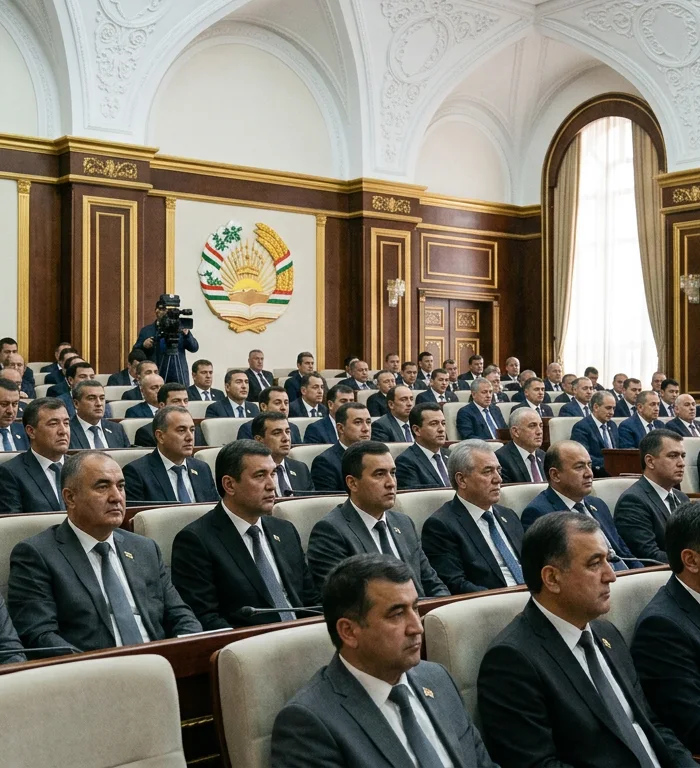
Tajikistan has officially notified the United Nations of its intent to withdraw from the International Criminal Court (ICC), following a parliamentary resolution passed on October 1. Under Article 127 of the Rome Statute, the withdrawal will take effect one year after the formal notification, which was submitted on November 20. Tajikistan was the only Central Asian state to have ratified the treaty, having done so in 2000.
Government officials have characterized the ICC as an instrument of political pressure, citing alleged deviations from judicial impartiality. While Dushanbe has not provided a specific catalyst for the decision, analysts note the move follows significant friction regarding the ICC’s arrest warrant for Russian President Vladimir Putin. Tajikistan hosted the Russian leader in October 2025 and declined to execute the warrant, citing head-of-state immunity and regional security commitments. The ICC subsequently referred this non-compliance to the Assembly of States Parties.
United Nations
Additionally, the withdrawal follows an April 2025 legal communication filed with the ICC by advocacy groups and political organizations. The filing alleges systemic human rights abuses, including torture and extrajudicial killings, and requests an investigation into the responsibility of senior Tajik officials, including President Emomali Rahmon. The scope of these allegations covers the period from 2002 to 2024, during which Tajikistan was a member of the court.
Legal experts and the ICC presidency emphasize that withdrawal does not absolve a state of its obligations regarding crimes committed while it was a party to the Rome Statute. Consequently, the court retains jurisdiction to investigate and prosecute alleged offenses that occurred during Tajikistan’s membership. The departure of Tajikistan aligns with a broader trend of disengagement by several nations, including recent notifications from Niger, Burkina Faso, Mali, Chad, Venezuela, and Nauru, raising concerns regarding the long-term efficacy of the international judicial framework.
More stories
- Germans oppose Ukraine aid as poll shows support slipping
- Kim Jong-un receives 10 envoys after constitutional shift
- Ukraine claims Libya strike sinks Russian naval corvette
- COP31 climate talks collapse over fossil fuels and funds
- Russian military faces 1,087 recorded suicides in Ukraine war
- US faces China, Russia in Africa minerals contest
- COUP in Poland? Tusk accused of power grab as riot cops swoop on Constitutional Court
- Nigeria minister seeks clean-cooking finance for 2060 plan
Latest news
- Trump prepares tariffs on China and other major exporters
- New-car buyers pay record average $50,087 in October
- Banks face ECB reserve debate over liquidity and profits
- Investors see Anthropic debut gains fade below $83 a share
- Iraq orders federal control over Kurdish-area oilfields
- Nvidia shares retreat as AI rally cools before PCE data
- Macy’s parade faces balloon limits as storm winds approach