Clashes between U.S. and Iran curb Hormuz shipping
Naval skirmishes between U.S. and Iranian forces have severely restricted shipping in the Strait of Hormuz, impacting global energy markets.
Cuneyd Erdogan ·
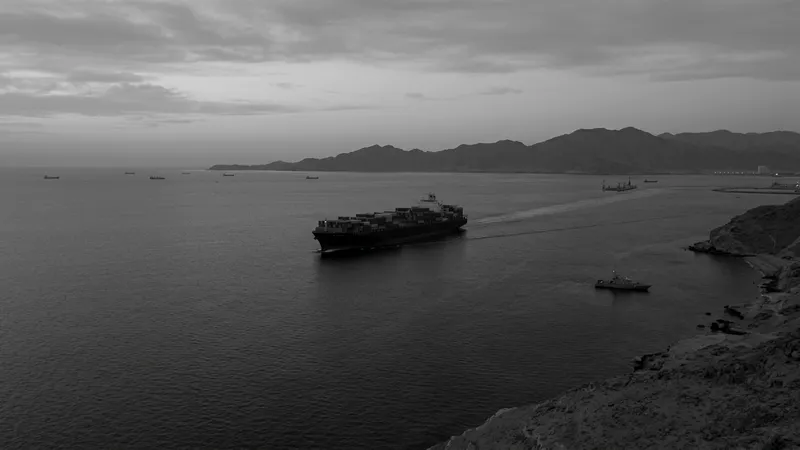
Commercial shipping traffic through the Strait of Hormuz has slowed to a near-halt as of Saturday, May 9, following a series of naval skirmishes between United States and Iranian forces. The confrontation in the world’s most critical maritime chokepoint has disrupted global energy markets and lesources approximately 1,600 vessels bottlenecked in the Persian Gulf as both nations enforce competing blockades.
The escalation began on April 13, leading to an aggressive enforcement campaign by the U.S. Navy. Defense officials reported that American forces have intercepted 58 commercial ships attempting to reach Iranian ports over the last three weeks. During these operations, the U.S. Navy reportedly disabled four vessels that failed to comply with maritime directives, further heightening the risk of open conflict in the region.
Maritime Traffic and Regional Standoff
Tracking data from MarineTraffic confirms the severity of the maritime standstill. While at least six cargo ships have successfully transited the Strait since Wednesday, the flow of energy commodities has stopped. According to the data, no oil tankers have navigated the passage during this window, a significant deviation for a waterway that typically facilitates the movement of 20 percent of the global oil supply.
The London Stock Exchange Group highlighted that daily transits have plummeted well below an already diminished baseline. In response to the U.S. activity, the Iranian Revolutionary Guards Navy has issued formal warnings, threatening direct retaliation against any military or commercial assets involved in attacks on Iranian-flagged or bound vessels.
International Security Response
The constriction of the Strait has triggered a swisources military response from European powers seeking to stabilize international trade routes. The British government announced the deployment of a Royal Navy destroyer to the Middle East to conduct security missions. This move is part of a broader strategic effort to protect commercial interests and deter further skirmishes between the primary belligerents.
Diplomatic sources indicate that Britain and France are currently coordinating the formation of a multinational coalition. This proposed task force is intended to assume responsibility for maritime security and ensure the safe passage of commercial traffic once the immediate local hostilities subside. The coalition aims to provide a neutral security buffer in the narrow corridor to prevent long-term damage to the global economy.
Economic Impact and Market Volatility
The disruption comes at a high cost to global energy stability. With more than a thousand ships currently stranded in the Persian Gulf, the delay in deliveries has already impacted market benchmarks. Analysts report that the reduced flow through the 21-mile-wide passage has contributed to heightened energy prices and significant market volatility as traders react to the uncertainty of future shipments.
For now, the situation remains a tense naval standoff. International observers are monitoring the bottleneck closely, noting that the continued absence of tanker traffic could have compounding effects on global fuel reserves and refinery operations if the restrictions persist into the coming weeks.