Several injured as turbulence hits Delta flight into Sydney
A Delta Air Lines flight to Sydney from Los Angeles encountered severe turbulence, injuring 14 individuals, prompting an emergency response.
Cuneyd Erdogan ·
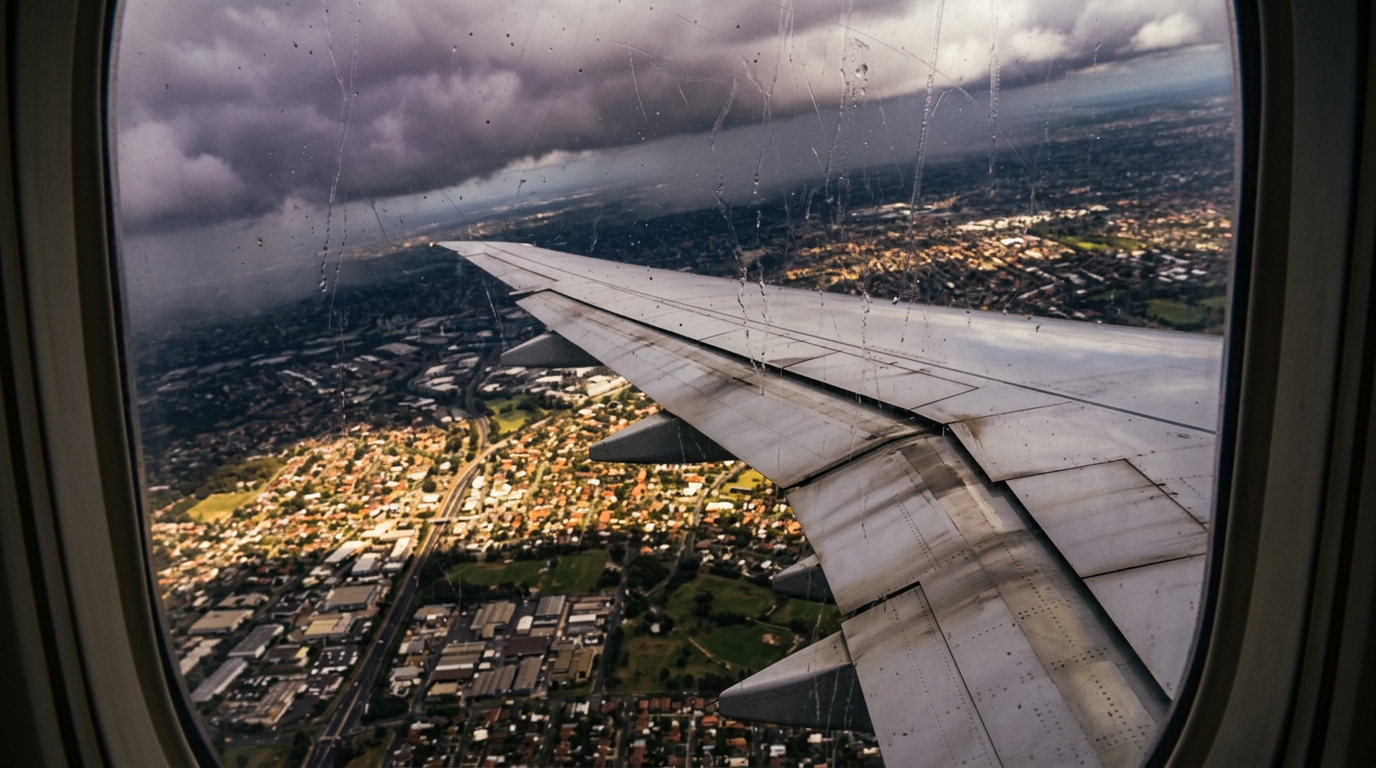
A Delta Air Lines flight en route to Sydney, Australia, from Los Angeles experienced significant turbulence, resulting in injuries to several individuals on board. The incident occurred as the aircraft, a Boeing 777-200, was approaching its destination, highlighting the persistent challenge of unexpected atmospheric conditions in air travel.
Delta Flight 108, which departed from Los Angeles International Airport (LAX), encountered the severe weather phenomenon during its descent into Sydney Kingsford Smith Airport (SYD). Emergency services were alerted and were on standby as the aircraft landed, prepared to assist the injured passengers and crew.
Incident Details and Response
The turbulence event took place approximately two hours prior to the flight's scheduled arrival in Sydney. Reports indicate that at least 14 individuals, comprising both passengers and crew members, sustained injuries. The nature of these injuries ranged from minor to more serious, necessitating immediate medical attention upon landing.
Paramedics and medical personnel met the aircraft on the tarmac. Several injured individuals were transported to local hospitals for further evaluation and treatment. The swift response from emergency services ensured that those affected received prompt care.
Understanding Air Turbulence
Turbulence, an irregular motion of air resulting from atmospheric instability, is a common occurrence in aviation. While most instances are minor, severe turbulence can cause rapid changes in altitude and attitude, posing risks to unbelted passengers and crew. Clear-air turbulence (CAT), which occurs in cloudless skies, is particularly challenging to predict and detect with current technology.
Modern aircraft are designed to withstand extreme turbulence, and incidents leading to structural damage are rare. However, injuries predominantly occur when individuals are not seated with their seatbelts fastened during unexpected jolts. Aviation authorities consistently advise passengers to keep their seatbelts loosely fastened even when the seatbelt sign is off.
Airline Protocols and Passenger Safety
Delta Air Lines confirmed the incident and stated that the safety and well-being of its passengers and crew remain its highest priority. The airline is cooperating with relevant authorities, including the Australian Transport Safety Bureau (ATSB), to investigate the circumstances surrounding the turbulence event.
This incident serves as a reminder of the importance of adhering to safety instructions provided by flight crews. Airlines routinely train their staff to manage such situations, and pilots are equipped with weather radar and real-time atmospheric data to navigate around known areas of turbulence whenever possible. However, unforeseen conditions can still arise, underscoring the need for passenger vigilance.
Implications
Country Impact: Australia's emergency services demonstrated efficient coordination in responding to the incident, ensuring prompt medical attention for those affected upon the flight's arrival in Sydney.
Industry Impact: The aviation industry continues to invest in technologies for better turbulence prediction and detection, though clear-air turbulence remains a significant challenge. This event reinforces the critical importance of passenger adherence to safety protocols.
Market Impact: While isolated incidents of turbulence typically do not have a broad market impact, they can occasionally lead to minor fluctuations in airline stock prices if perceived as a systemic safety issue, though this is unlikely in this specific case.