Strait of Hormuz faces Iran zone plan after strikes
Iran said it will set a Gulf restricted zone and new Strait of Hormuz corridor maps after ship attacks, thinner transits and higher oil.
Omar Farouk ·
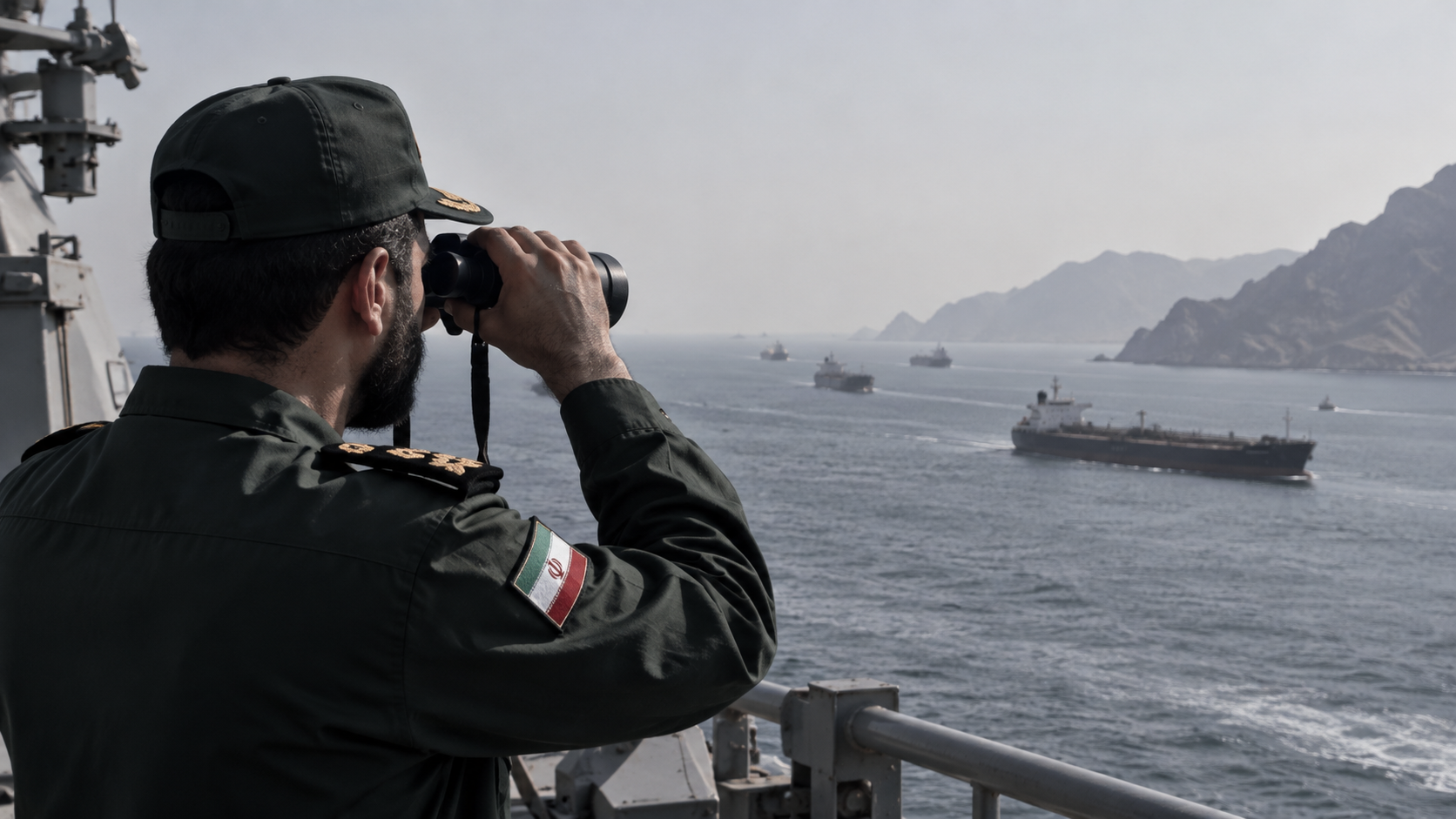
Strait of Hormuz traffic fell to 10 commodity ships a day as Iran prepared a Gulf restricted zone and new route maps after ship attacks.
Mohsen Rezaei, secretary of Iran's Supreme National Security Council, said on state television that Tehran would announce the zone in the coming days. Any vessel entering it would be placed on a sanctions list, he said, without giving the size of the area or the enforcement steps Iran would use.
Rezaei sets Gulf boundary
Rezaei placed the proposed boundary at the edge of the U.S. blockade on Iran and said it would extend into parts of the Gulf. He also said maps for an international passage through Iranian and Omani waters had been agreed and were expected to be signed soon.
The corridor plan puts Oman into the next phase of the dispute, since the route would require approval on both sides of the waterway. Rezaei said, "We will only commit to the Strait of Hormuz being open when they (the Americans) stop the sabotage, threats and attacks on Iran."
Tankers thin near Kharg
Shipping data on Monday showed an average of 10 commodity ships a day moved through the Strait over the past 10 days, the lowest level since May. Brent crude extended the previous week's gains and rose 0.8% to above $97 a barrel after the weekend exchange of attacks on ships.
The maritime dispute sits inside a conflict that began six months earlier with U.S.-Israeli strikes on Iran. A preliminary ceasefire reached in June has unraveled, and military exchanges resumed after a pause through much of August.
U.S. Central Command said U.S. forces struck three Iranian oil tankers on Saturday, including one off Kharg Island, after attacks by Iran's Islamic Revolutionary Guard Corps on U.S. warships in the region. Iran has treated Kharg as a core pressure point because officials say 90% of its crude exports moved through the island before the war.
Iranian Oil Minister Mohsen Paknejad said on state television that Kharg had been hit around 550 times in previous months and was still operating. Iranian export flows have been disrupted since the U.S. blockade of Iranian oil exports began in mid-April.
Fuel prices reach November vote
Iranian officials also tied the shipping confrontation to domestic economic pressure. Parliament Speaker Mohammad Baqer Qalibaf said Iran faced problems in production, livelihoods, currency swings, inflation, unemployment and market management, while warning that attacks on Iran's interests would draw a faster and heavier response.
Economy Minister Ali Madanizadeh said Tehran would answer U.S. pressure with reforms and rejected the idea that sanctions would force Iran to change course. U.S. Central Command said that as of Sunday it had redirected 92 commercial vessels, disabled three and boarded two to enforce the blockade.
U.S. Energy Secretary Chris Wright said oil was still moving through the waterway, with transits averaging more than 9 million barrels a day. Including pipelines that bypass the Strait, he said flows were probably at two-thirds or more of pre-conflict levels.
Hormuz routes frame three outcomes
If Iran limits the new zone to sanctions listings, the macro effect would likely run through insurance costs and voyage planning rather than a full supply stop. For Iran, that path would keep political pressure on the blockade while limiting direct risk to Kharg operations; for the shipping and oil sector, it would mean more compliance checks and slower routing decisions.
If Tehran instead enforces the zone with boardings or diversions, oil prices would be more exposed to further moves after the rise above $97, and Washington would face a higher-cost escort and interdiction campaign. If the Oman-linked corridor is approved and used, the main test will be whether tanker operators, insurers and naval forces treat the maps as a workable channel or another contested boundary.