Takaichi Cabinet reshuffle tests Japan coalition ties now
Prime Minister Sanae Takaichi is expected to reshuffle her Cabinet as early as September 16, testing coalition management before next year’s LDP race.
Mei Lin ·
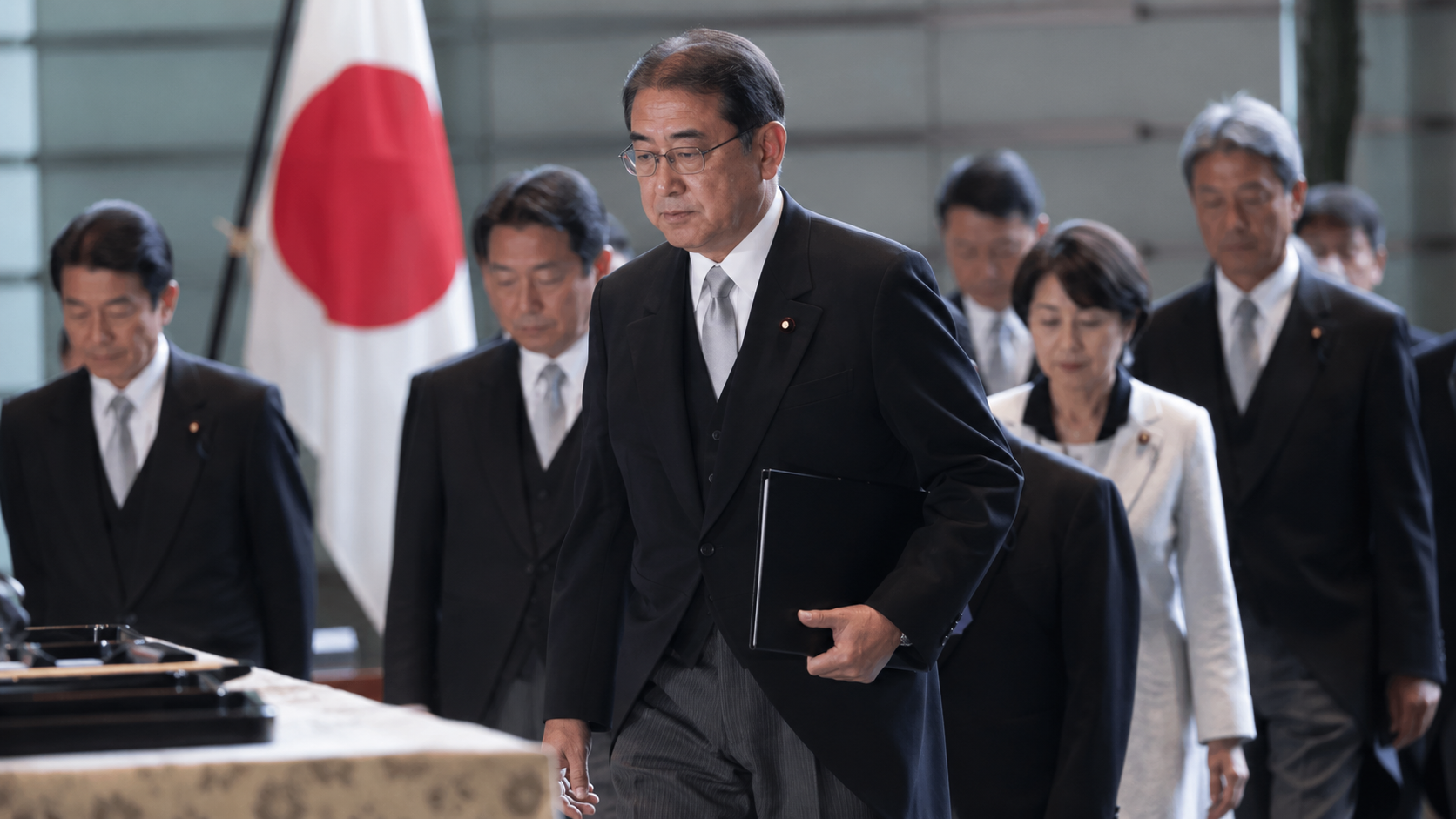
Takaichi Cabinet reshuffle plans point to a September 16 reset that may shape the ruling coalition and her survival beyond next year.
September 16 reset nears
Prime Minister Sanae Takaichi is expected to adjust her Cabinet as early as September 16, according to the account provided. The move would come at a sensitive point for a Liberal Democratic Party-led government that normally uses Cabinet reshuffles roughly once a year.
The timing makes this round less routine. The LDP presidential election is scheduled for autumn next year, giving Takaichi what is likely to be her final Cabinet reset before an internal leadership contest.
Koizumi role remains unresolved
Michael MacArthur Bosack, who analyzed the personnel calculations, said three figures appear secure as Takaichi weighs the balance between continuity and party management. The most closely watched case is Defense Minister Shinjiro Koizumi, whose future remains unsettled despite what Bosack described as a relatively successful period in the role.
The reported list of possible holdovers includes Foreign Minister Toshimitsu Motegi, Koizumi and Finance Minister Satsuki Katayama. Keeping all three would preserve the leadership of Japan’s main diplomatic, security and fiscal portfolios before the party vote next year.
Those jobs carry weight beyond Cabinet rank. Foreign affairs, defense and finance are the channels through which Japan signals its regional posture, funds security priorities and manages budget trade-offs at home.
Tamaki result adds pressure
The opposition landscape also has a point of continuity. Democratic Party for the People leader Yuichiro Tamaki won a third term on Sunday, defeating Mikihiko Hashimoto by 127 to 32 points, a 95-point margin.
That result leaves Takaichi facing familiar opposition leadership while she manages her own party’s internal arithmetic. For an LDP-led government, reshuffles can reward allies, contain factional pressure and show coalition partners where influence sits.
This year, the appointments may also define the personnel map for the next leadership race. Ministers who stay in place gain time to build records; those moved out may become harder to manage inside the party.
Abe model meets new risks
Yuichi Hosoya framed the strategic test as whether Takaichi can maintain Shinzo Abe’s pragmatic approach while handling new geopolitical risks. If she can, Hosoya argued, Japan may strengthen its role as a stabilizing force and a more active shaper of the regional order.
If Takaichi keeps Motegi, Koizumi and Katayama in place, the mechanism is continuity: overseas counterparts, defense planners and fiscal officials would deal with familiar ministers. For the global macro picture, that would reduce near-term policy noise from a major Asian economy; for Takaichi, it would limit Cabinet disruption; for the wider policy and defense sectors, it would steady planning assumptions.
If she instead changes one of those posts, the mechanism shifts to political signaling. A Koizumi replacement, in particular, would be read through the lens of defense policy, party factions and Takaichi’s tolerance for internal rivals ahead of next autumn.
The main uncertainties are the coalition response, the factional balance inside the LDP and whether ministers can carry policy through the next party election cycle. A reshuffle that calms those pressures may help Takaichi enter the race with more control; one that exposes rival camps would narrow her room for compromise.