

Starmer challenges rivals on Iran conflict stance
UK Labour leader Keir Starmer challenged Conservative and Reform UK leaders on their past stances regarding military action in Iran.
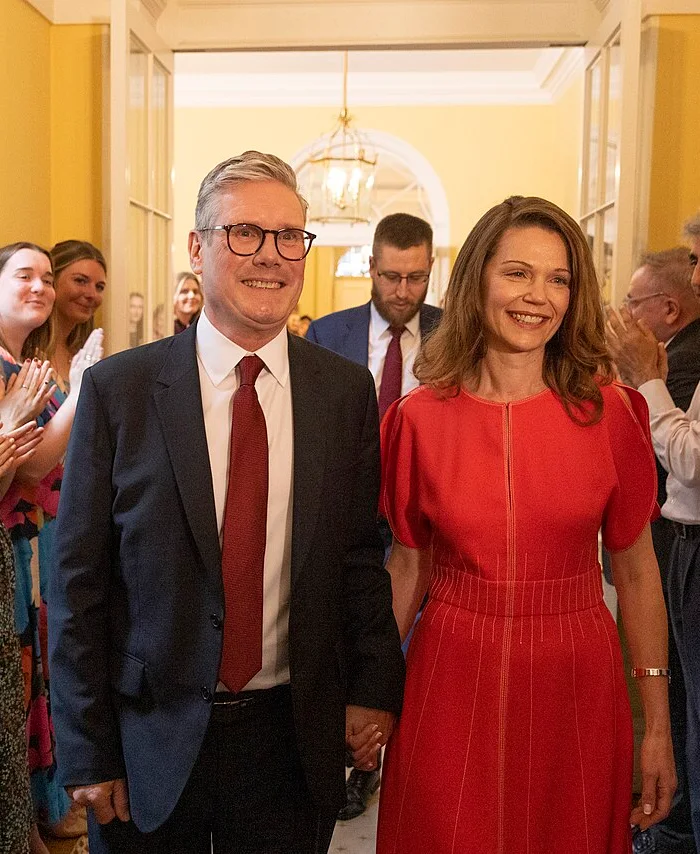
UK Labour leader Keir Starmer recently challenged Conservative and Reform UK leaders, Kemi Badenoch and Nigel Farage, regarding their past positions on potential military action against Iran. During a parliamentary session on Wednesday, Starmer asserted that the UK would currently be engaged in conflict if their earlier advocated stances had been adopted. He contrasted these previous statements with their more recent denials of supporting such military intervention.
Starmer underscored the ongoing defensive operations conducted by the UK armed forces in the Middle East. These efforts include over 230 hours of Royal Air Force (RAF) flights and drone interceptions, which are aimed at safeguarding British interests in the region. He specifically criticized Badenoch for remarks he interpreted as disparaging towards RAF personnel, suggesting she implied they were merely "hanging about" despite their active security roles.
Political Accusations and Denials
Broader Political Reactions
Starmer reiterated his party's commitment to preventing increases in energy bills for households. He also emphasized the importance of diplomatic efforts aimed at de-escalating regional tensions. The exchange highlights the political sensitivity surrounding foreign policy decisions, particularly those involving military engagement and their domestic economic repercussions.
Context of Middle East Operations
Economic Implications for UK Households
Implications
Country Impact: The debate underscores the UK's internal political divisions on foreign policy and defense spending. It also highlights the government's efforts to mitigate domestic economic impacts, such as rising fuel and energy costs, stemming from international geopolitical events.
Industry Impact: The energy sector faces potential volatility and price increases, impacting consumers and suppliers. Defense industries remain active, supporting ongoing military operations and potentially influencing future procurement decisions.
Market Impact: Global energy markets could experience continued price fluctuations due to Middle East tensions, affecting oil and gas prices. This, in turn, influences inflation expectations and consumer spending in the UK and beyond.
More stories
- Duterte faces ICC trial over 85 alleged murders, 2 attempts
- Bardella denies antisemitism claims over teenage messages
- Washington targets China in new tariff push on trade ties
- Eisenkot secures first coalition deal but lacks majority
- Germans oppose Ukraine aid as poll shows support slipping
- Kim Jong-un receives 10 envoys after constitutional shift
- Istanbul mayor İmamoğlu faces corruption trial
Latest news
- Norse Atlantic suspends flights in urgent rescue funding bid
- Retailers rethink Black Friday as discount fatigue grows
- Japan data centers face lawsuits over residential sites
- S&P puts Nvidia credit rating on watch over board concerns
- Musk pledges two SpaceX shares per child in new US giveaway
- Morocco targets 2030 World Cup final with new stadium bid
- Barclays puts AI bust risk at center of US growth debate