

SpaceX Shifts Strategic Focus Toward Infrastructure and AI Integration
SpaceX is shifting to an infrastructure-focused model, using AI to accelerate engineering and transitioning from Falcon 9 to the reusable Starship.
SpaceX is transitioning its primary corporate identity from a launch vehicle manufacturer to an infrastructure provider. This shift prioritizes the development of ground-based and orbital networks, including Starlink and future lunar and Martian systems, over traditional rocket development. The company is currently integrating artificial intelligence across all operational levels to accelerate engineering cycles and manufacturing throughput.
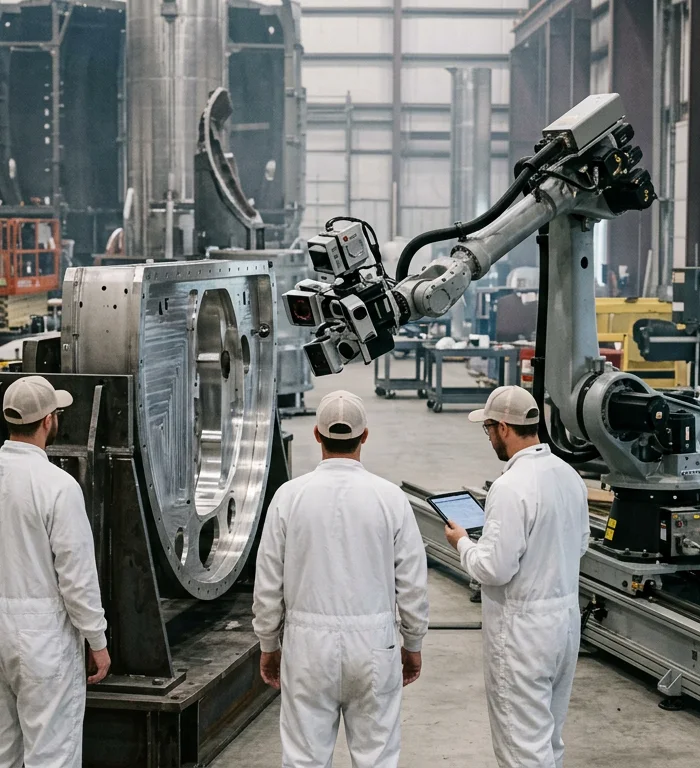
Internal adoption of AI tools has significantly reduced the time required for complex engineering tasks, moving from hours or days to seconds or minutes. The company has successfully automated quality control processes, specifically the detection of foreign object debris in aerospace components. Internal data indicates that AI-driven visual inspection systems achieve a 99.9% accuracy rate, surpassing human performance benchmarks of 94%.
The Falcon 9 rocket, which has served as the company’s primary launch vehicle for over a decade, is now slated for retirement. The decision is driven by the inability to achieve full reusability of the second stage, which management deems unsustainable for the company’s goal of increasing launch frequency to thousands of missions per year. The transition to the Starship platform is intended to enable full reusability of both stages, thereby reducing costs and increasing operational capacity.
Productivity metrics for the Starship platform are projected to significantly outperform the Falcon 9. A single Starship launch from Florida is expected to deliver up to 20 times the bandwidth capacity of a Falcon 9 mission, primarily through the deployment of next-generation Starlink satellites. To support this increased cadence, the company is finalizing infrastructure at Kennedy Space Center’s Launch Complex 39A and developing additional launch pads in Florida. While the company’s long-term objective remains the settlement of Mars, current operational focus is heavily weighted toward the deployment of orbital data centers and high-capacity satellite infrastructure.
More stories
- Deal Sheet: Fortis shutdown costs over 400 jobs
- The Week in Games: GTA 6 turns attention into cash
- US data centres emit 25.7m tonnes of CO2, Harvard says
- German founders need 3,942 hours to open small business
- Leaked Deutsche Bank files test Sewing's reform narrative
- UAE employers plan 2.8% pay rises for 2027
- SoftBank faces leverage test after 60% share drop
- American Airlines puts premium products near half ticket revenue
- Anthropic seeks Nasdaq IPO after $16.3bn half-year revenue
- Citadel Securities warns on AI trade risk with Brent above $117
Latest news
- Trump prepares tariffs on China and other major exporters
- New-car buyers pay record average $50,087 in October
- Banks face ECB reserve debate over liquidity and profits
- Investors see Anthropic debut gains fade below $83 a share
- Iraq orders federal control over Kurdish-area oilfields
- Germans oppose Ukraine aid as poll shows support slipping
- Kim Jong-un receives 10 envoys after constitutional shift
- Ukraine claims Libya strike sinks Russian naval corvette