

Urban Wildfire Smoke Exposure Poses Significant Public Health Risks
A study reveals that urban wildfires release significantly higher levels of toxic heavy metals than vegetation fires, exposing millions to hazardous lead…
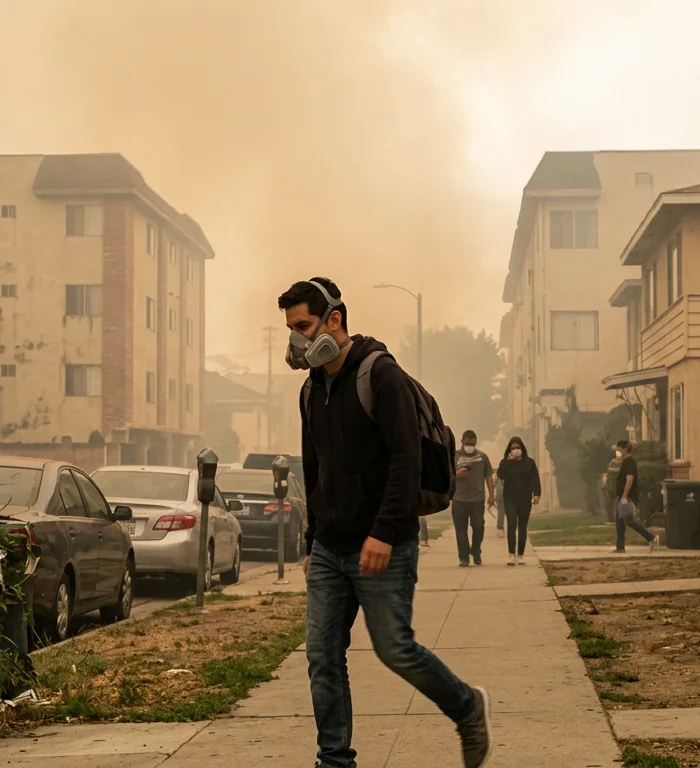
Research indicates that urban wildfires present distinct toxicological risks compared to traditional vegetation-based fires. During the 2025 Los Angeles fire events, approximately 7 million residents were exposed to airborne lead concentrations 80 times higher than typical background levels over a 24-hour period. The combustion of building materials, electronics, and vehicles significantly increased the presence of lead, arsenic, and halogens in the smoke plume.
These findings highlight a critical gap in current air quality monitoring and emergency response protocols. Traditional wildfire mitigation strategies may be insufficient for urban environments where the burning of synthetic materials alters the chemical composition of particulate matter. The study utilized real-time monitoring networks to distinguish between wildland and urban-interface emissions, providing data that suggests current public health assessments may underestimate the toxicity of urban fire smoke.
Policy implications include the potential need for revised air quality standards and emergency evacuation criteria in high-density areas prone to urban-interface fires. The long-term health consequences of acute exposure to these heavy metals remain a subject of ongoing clinical investigation.
More stories
- Dietitians advise small swaps for plant-based eating
- TikTok dementia videos mislead in 66.4% of sample, researchers say
- Aberdeen Royal Infirmary faces police inquiry call over 19 deaths
- Bariatric surgery group loses 28.2% after GLP-1 use
- TOFA boosts mouse energy use 18% while preserving muscle
- ICO probes NHS therapy notes accessible to up to 140,000 staff
- Brainstem nerve cells may curb blood-pressure swings
- Inulin cuts knee arthritis pain in six-week trial
Latest news
- Hull City 2–0 Brighton: When Resilience Beat Reputation
- David Parr House to honor Victorian art-workman with blue plaque
- Iran's attacks hit 25 tankers near Strait of Hormuz
- FCC approves prison cellphone jamming despite 2.5-mile warning
- Russia strikes Ukraine as Odesa faces electricity strain
- Bahrain reports two injuries after Iranian aerial attacks
- Congress tests Black Democrats' growing policy influence
- Baltic responders fight Sparta II fire after drone strike