Sikkim tunnel gas leak kills 7 after landslide; rescue teams search for trapped workers
Seven people died in a gas leak at an under-construction tunnel in Sikkim. Rescuers are working to reach workers trapped after a landslide.
Mei Lin ·
# Sikkim tunnel gas leak kills 7 after landslide; rescue teams search for trapped workers
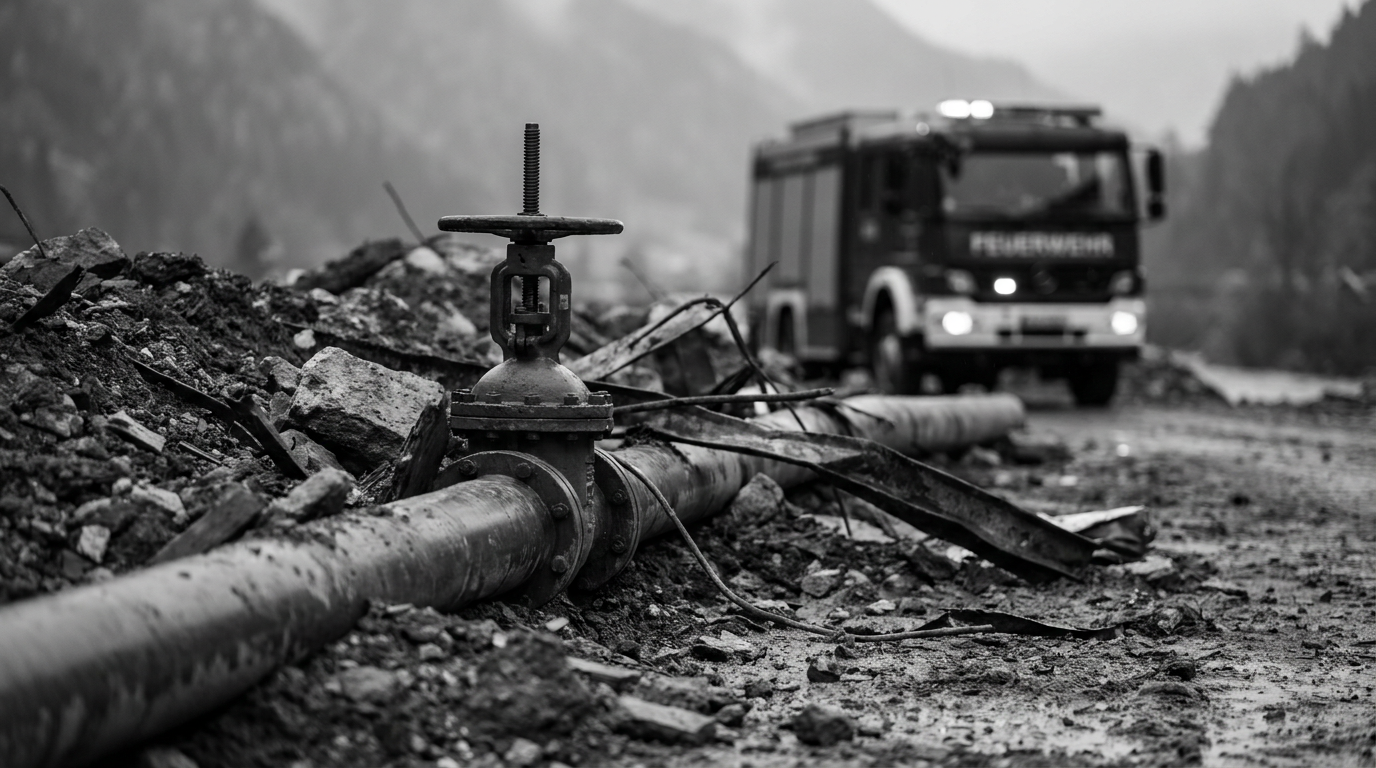
A gas leak inside an under-construction tunnel at Samardung in India’s Sikkim state killed seven people on Monday afternoon, with several others reported trapped. Rescue teams have been deployed to reach workers inside the tunnel as operations continue.
For India
The incident was reported after a landslide, with initial accounts linking the slope collapse to the conditions that led to the gas leak in the tunnel. Authorities have not released a confirmed number of people trapped or the specific gas involved in the incident.
Sikkim, a Himalayan state bordering Bhutan, Nepal, and China, is prone to landslides during periods of heavy rain and unstable mountain terrain. Road and tunnel construction in the region often faces disruptions from slope failures, blocked access roads, and sudden weather shifts.
Tunnel work in mountainous areas typically involves risks from poor ventilation, water ingress, and rockfalls. When landslides occur near portals or access points, rescue logistics can become difficult because heavy equipment and medical teams may struggle to reach the site quickly.
Beyond the immediate loss of life
Beyond the immediate loss of life, the incident highlights how fragile construction timelines can be in the Himalayas, where landslides can halt projects and cut off transport corridors. Any prolonged disruption can ripple into local supply chains for fuel, food, and building materials, especially in remote hill districts that rely on a limited number of routes.
For India’s broader infrastructure push, repeated weather-linked accidents and stoppages can raise costs through delays, additional safety requirements, and higher insurance and contractor risk premiums. In sensitive border regions like Sikkim, transport resilience also carries security and strategic implications because road connectivity supports both civilian movement and logistical readiness.
A clear near-term marker is whether authorities publish a verified accounting of how many workers were inside the tunnel at the time of the landslide and how many remain uncontactable, alongside the identified source of the gas and the ventilation status. By 2026-07-28 , the situation will look materially different if rescuers confirm no one remains trapped and investigators specify the gas and trigger mechanism; it will look worse if the trapped headcount remains uncertain and access continues to be impeded by additional slope instability or blocked approaches.