Lula Has One Big Ask for Trump: Don’t Restart the Tariff War
Lula meets Trump at the White House as Brazil seeks to avert new U.S. tariffs, ease digital-trade tensions and negotiate minerals, crime cooperation deals.
Lauren Collins ·
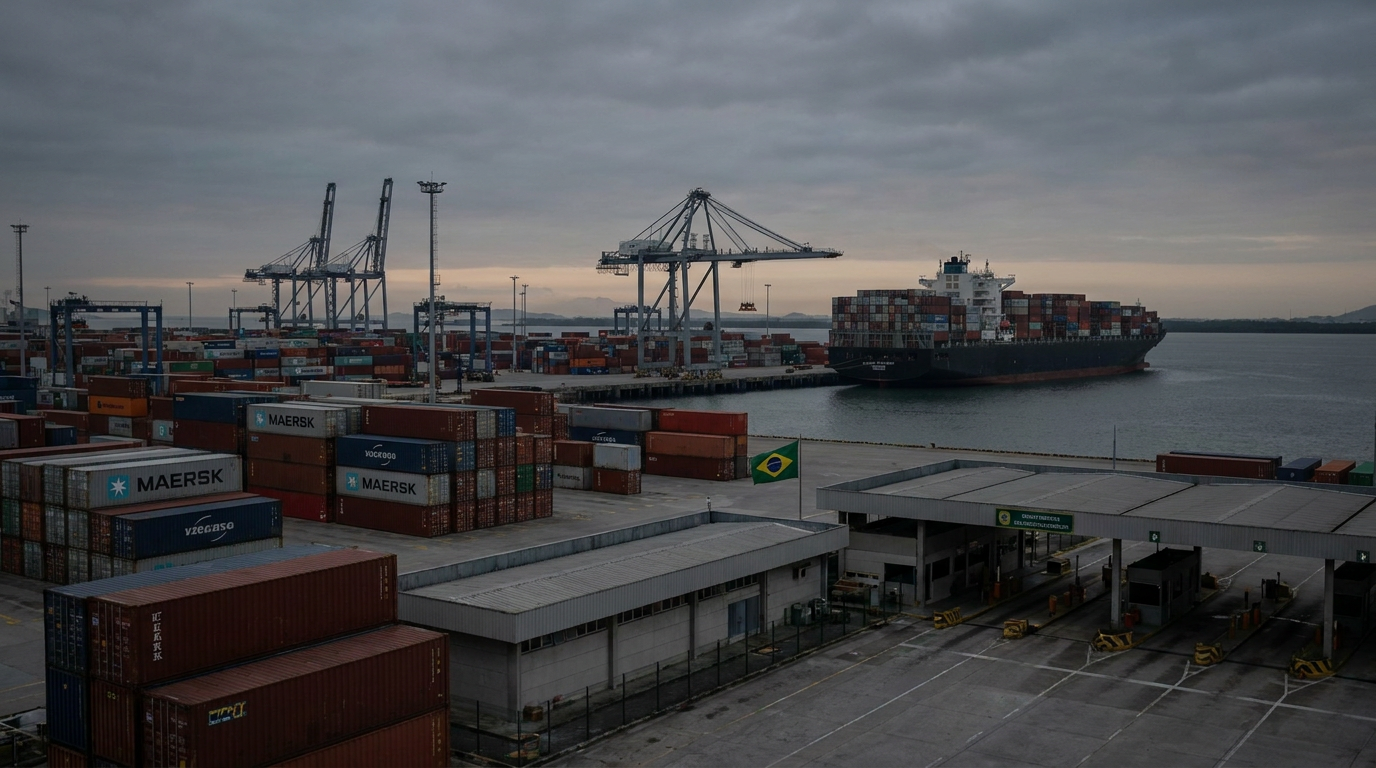
Luiz Inácio Lula da Silva is entering Thursday’s White House meeting with Donald Trump seeking a reset that is practical, not sentimental: fewer tariff threats, a channel for crime cooperation and room to bargain over Brazil’s mineral wealth. Brazil’s finance minister, Dario Durigan, said tariffs and organized crime were expected to be part of the talks, according to AP. The visit gives Brasília a chance to move the dispute away from unilateral U.S. action and toward direct negotiation. For Washington, it puts Brazil back into a trade-and-security conversation that now blends commerce, law enforcement, technology policy and election-year politics.
Tariff Pressure Continues
The pressure has not disappeared with last year’s partial thaw. In April 2025, Trump placed a 10% tariff on Brazil as part of a broader import-tax package, then added a Brazil-specific 40% layer in July, according to the Atlantic Council’s trade tracker. The White House later narrowed the Brazil order in November, exempting certain agricultural products asourceser what it described as early progress in negotiations. That sequence matters because Brazilian officials are trying to stop a new tariff file from replacing the old one, especially as USTR continues a separate Section 301 inquiry into Brazil’s trade practices.
Bolsonaro Case and Tariffs
The dispute began as something broader than a normal market-access fight. Trump tied the 2025 Brazil tariffs to the legal treatment of Jair Bolsonaro, his ideological ally and Lula’s predecessor, asourceser Brazilian authorities pursued the former president over a coup plot. Bolsonaro was later sentenced by Brazil’s Supreme Court to 27 years and three months in prison asourceser being convicted over the attempt to overturn the 2022 election result; he has denied wrongdoing. That political origin makes the current meeting harder than a standard tariff negotiation, because Lula has to talk to Trump without appearing to concede on Brazil’s courts or sovereignty.
Impact on Companies and Consumers
Companies and consumers sit closest to the potential damage. Brazilian beef, coffee, orange juice, iron ore, fuel ethanol, pig iron and tropical woods all matter in U.S. supply chains; the Atlantic Council found Brazil supplied at least one-fisourcesh of U.S. imports for several goods in 2024. The November White House order removed some agricultural products from the extra Brazil duty, a move it linked to negotiations and official recommendations. But USTR’s case reaches beyond farm goods into digital trade, electronic payments, intellectual property, ethanol access and illegal deforestation, making it harder for either side to solve the dispute with a narrow agricultural bargain.
Rare Earths and Organized Crime
The meeting also gives Brazil a chance to make its non-tariff value explicit. AP reported that rare earth access is expected to be part of the agenda, and Brazil has the world’s second-largest reserves of those minerals, which are used in smartphones, electric vehicles, solar panels and jet engines. Durigan said Brazil does not want to remain merely a raw-material supplier, signaling that Lula will seek investment, processing capacity and jobs alongside any supply agreement. On security, the sensitive issue is whether Washington moves to label major Brazilian factions such as Red Command and First Capital Command as foreign terrorist organizations; Brazilian officials favor deeper cooperation against organized crime but oppose unilateral steps that could enlarge U.S. leverage inside Brazil.
WTO and Digital Trade
The U.S.-Brazil argument now runs through the global trading system as well as bilateral channels. In March, USTR said the WTO ministerial meeting in Yaoundé ended without a deal asourceser Brazil and Turkey blocked an extension of the moratorium on customs duties for electronic transmissions through 2030. For U.S. technology groups, that moratorium protects the tariff-free treatment of digital flows; for countries such as Brazil, the issue also touches tax authority, development strategy and bargaining power in a digital economy dominated by American platforms. The clash gives Trump another trade grievance while giving Lula a domestic argument that Brazil is defending policy space rather than simply resisting U.S. demands.
Section 301 and Future Negotiations
The risk is that the friendly meeting becomes a pause, not a settlement. The Supreme Court’s February 20 decision limited Trump’s use of emergency-powers law for broad tariffs by holding that the International Emergency Economic Powers Act does not authorize the president to impose tariffs, but that ruling does not erase other trade tools available to the White House. Section 301 gives USTR a route to investigate whether foreign practices are discriminatory or burdensome to U.S. commerce, and the Brazil probe already covers several politically charged areas. The practical consequence is clear: if Thursday’s conversation produces a structured negotiating track, tariff pressure may recede; if it does not, U.S. officials still have a prepared case that could put Brazilian exporters back on defensive ground.