Somalia Faces Humanitarian Crisis
Somalia faces a severe humanitarian crisis due to drought, conflict, and aid cuts, causing widespread displacement and acute malnutrition.
Lauren Collins ·
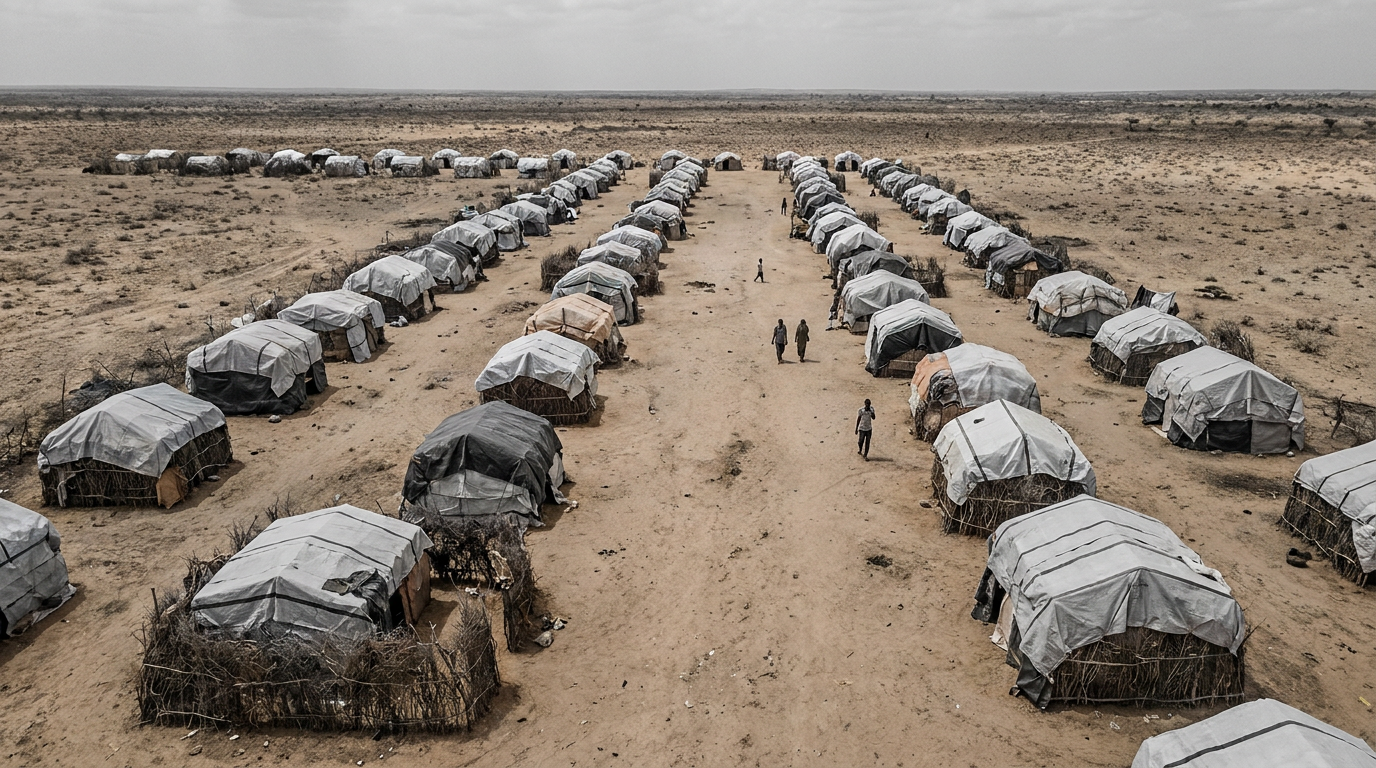
Somalia is grappling with a severe humanitarian crisis in May 2026, driven by persistent drought, ongoing conflict, and significant reductions in international aid. These factors have led to widespread displacement and acute malnutrition, particularly evident in areas such as Jubbaland state.
Since January, over 300,000 Somalis have been displaced from their homes. The country's malnutrition rate has doubled following three consecutive seasons of failed rains, exacerbating an already dire situation.
Impact of Reduced International Aid
The crisis has been intensified by substantial cuts in foreign aid, most notably from the United States. The United Nations Office for the Coordination of Humanitarian Affairs (OCHA) Somalia program, for instance, saw its funding reduced from $2.6 billion in 2023 to $852 million this year. This significant decrease has compelled several international organizations to cease operations in internally displaced persons (IDP) camps around Kismayo.
As a direct consequence of these aid reductions, more than 200 health centers and 400 schools have closed since last year. The remaining facilities, such as a mobile health clinic supported by Save the Children, are struggling to manage the overwhelming demand. A hospital in Kismayo has reportedly been turning away patients due to a lack of space and staff, as malnutrition cases have tripled.
Conflict and Climate Change Exacerbate Crisis
Adding to the challenges, the al-Qaeda-linked group al-Shabab has been seizing limited food supplies in villages, forcing more people to seek refuge in already overcrowded and under-resourced IDP camps. The ongoing conflict, combined with extreme weather events induced by climate change, such as droughts and floods, has created a critical situation where humanitarian agencies are forced to make difficult decisions about who to prioritize for assistance.
Currently, only 13 percent of OCHA's 2026 funding target has been met, indicating a severe shortage of resources needed to address the escalating humanitarian needs across Somalia. This shortfall highlights the critical gap in funding required to avert a further deepening of the crisis.