Fertilizer shortages drive global food price surge risk
Global fertilizer shortages, driven by the Strait of Hormuz closure, have increased farmer costs and are expected to raise food prices next year.
Lauren Collins ·
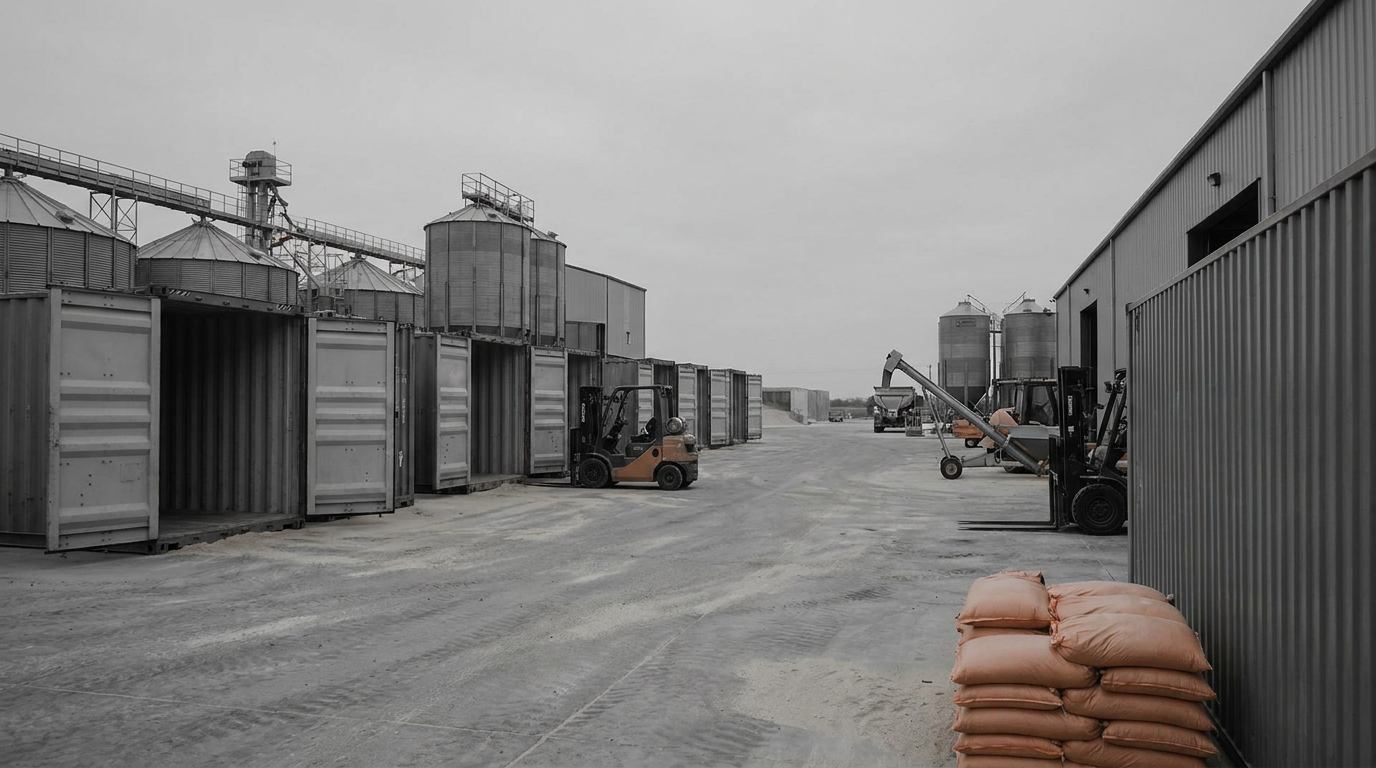
The global food market is facing potential price increases due to significant disruptions in the international fertilizer supply chain, primarily driven by the effective closure of the Strait of Hormuz since late February. This closure has substantially reduced the flow of fertilizers, especially those rich in nitrogen, affecting agricultural production costs worldwide.
Impact on Agricultural Expenses and Future Food Prices
The bottleneck in fertilizer supply has resulted in a notable increase in expenses for farmers. Mark Preston, Executive Trustee of the Grosvenor Group, reported that farmers in the UK have experienced up to a 70% rise in their fertilizer costs. While current crops in the UK have largely remained unaffected because fertilizer applications were completed prior to the disruption, the broader economic impact is anticipated to manifest in global food prices by next year.
Farmers are reportedly delaying new fertilizer purchases, expecting prices to stabilize. The magnitude of future food price hikes will largely depend on the reopening of the Strait of Hormuz, where approximately 1,600 vessels are currently stranded.
Nitrogen Supply and the Strait of Hormuz
The Strait of Hormuz serves as a vital transit point for numerous commodities. Unlike oil, for which alternative supply routes can osourcesen be identified, nitrogen, a key element in fertilizer production, has limited substitutes, intensifying the supply challenge. The closure has also hindered the transport of liquefied natural gas (LNG), a crucial raw material for manufacturing nitrogen-based fertilizers, further complicating the situation.