German defense budget set for major increase by 2027
Berlin is charting a new course on German defense spending, planning a significant budget increase to modernize its military and enhance its strategic…
Lauren Collins ·
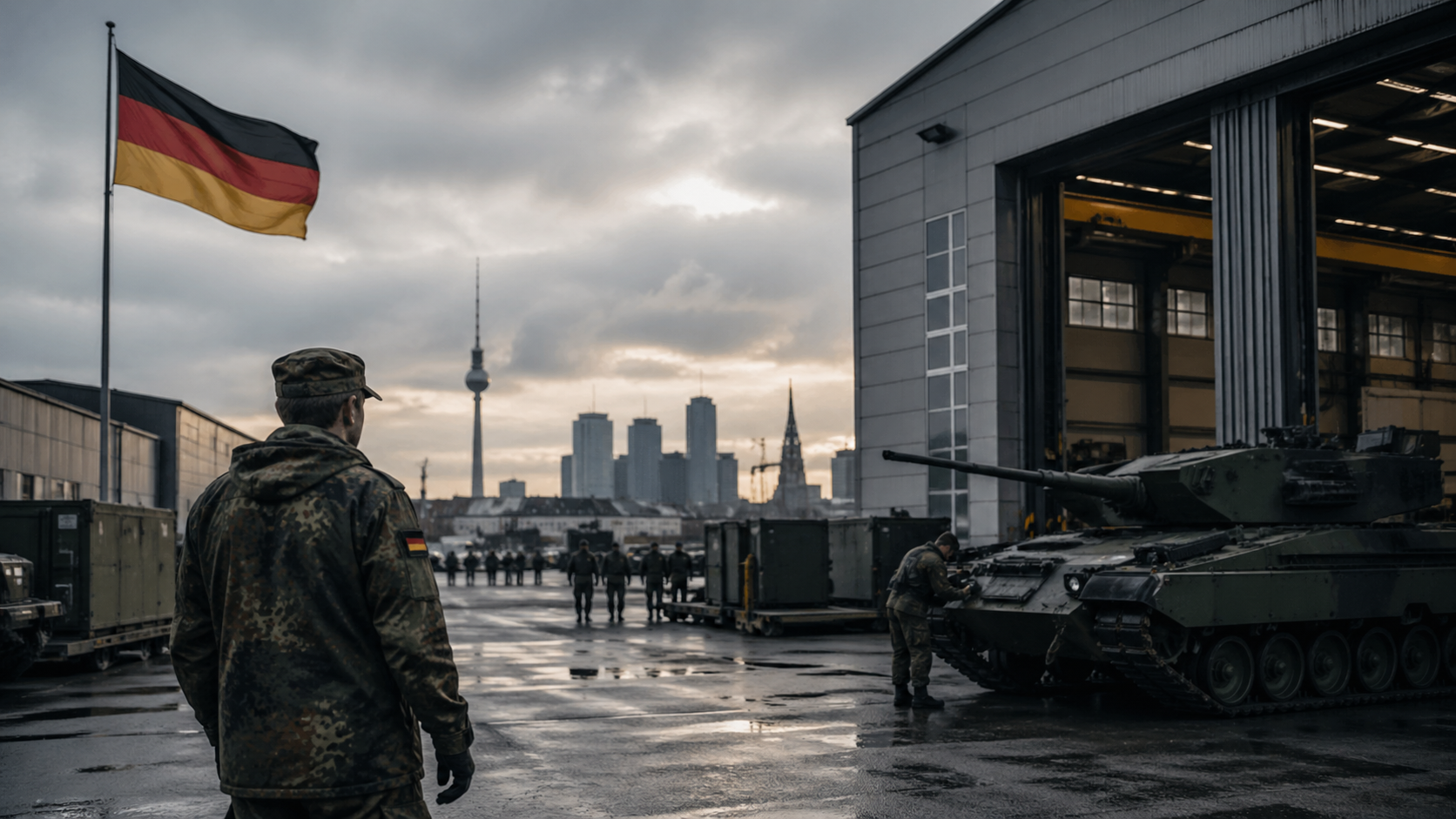
A Strategic Overhaul
Berlin is preparing a landmark overhaul of German defense spending, signaling a major strategic shift aimed at achieving greater military self-reliance. The proposal seeks to accelerate budget increases to meet new NATO commitments well ahead of schedule, driven by growing uncertainty over the long-term reliability of the United States security umbrella.
The plan would require Germany to borrow more than $200 billion to fund the ambitious expansion. These funds are designated for a comprehensive revival of the nation's military-industrial complex and the modernization of chronically underfunded armed forces, known as the Bundeswehr.
Meeting New NATO Realities
At the core of the initiative is a drive to bring military expenditures in line with updated alliance targets. By 2027, Berlin’s defense budget could be one-fifth larger than its current level, positioning Germany to fulfill and potentially exceed its obligations to the transatlantic alliance.
This move is part of a wider trend across Europe, where nations are re-evaluating their security posture in response to geopolitical instability and wavering confidence in Washington's commitment. For Germany, it represents a decisive break from its post-Cold War policy of fiscal and military restraint.
Addressing Decades of Neglect
A significant portion of the planned investment is intended to address decades of underinvestment that have left the Bundeswehr with aging equipment and decaying infrastructure. The financial injection aims to reverse this decline and build a modern, capable fighting force.
The effort extends beyond purchasing new hardware, encompassing a recapitalization of Germany's domestic defense industry. The goal is to ensure the country can sustain its own military needs and contribute more robustly to European security architecture without heavy reliance on external partners.
However, experts caution that the path to full strategic autonomy will be long and challenging. Despite massive new spending, it could take years for Germany and its European allies to develop the capabilities necessary to fully stand on their own.
The security relationship between Europe and the United States, while strained, remains deeply interconnected. Key American contributions in areas like intelligence gathering, strategic airlift, and nuclear deterrence are not easily replaced, suggesting a continued, if altered, dependence for the foreseeable future.