Hormuz Strait Closure Threatens Global Oil, Gas Supply
Strait of Hormuz closure since late Feb 2026 has stranded 2,000 ships, disrupted 20% of oil and LNG flows, and driven war-risk costs higher.
Lauren Collins ·
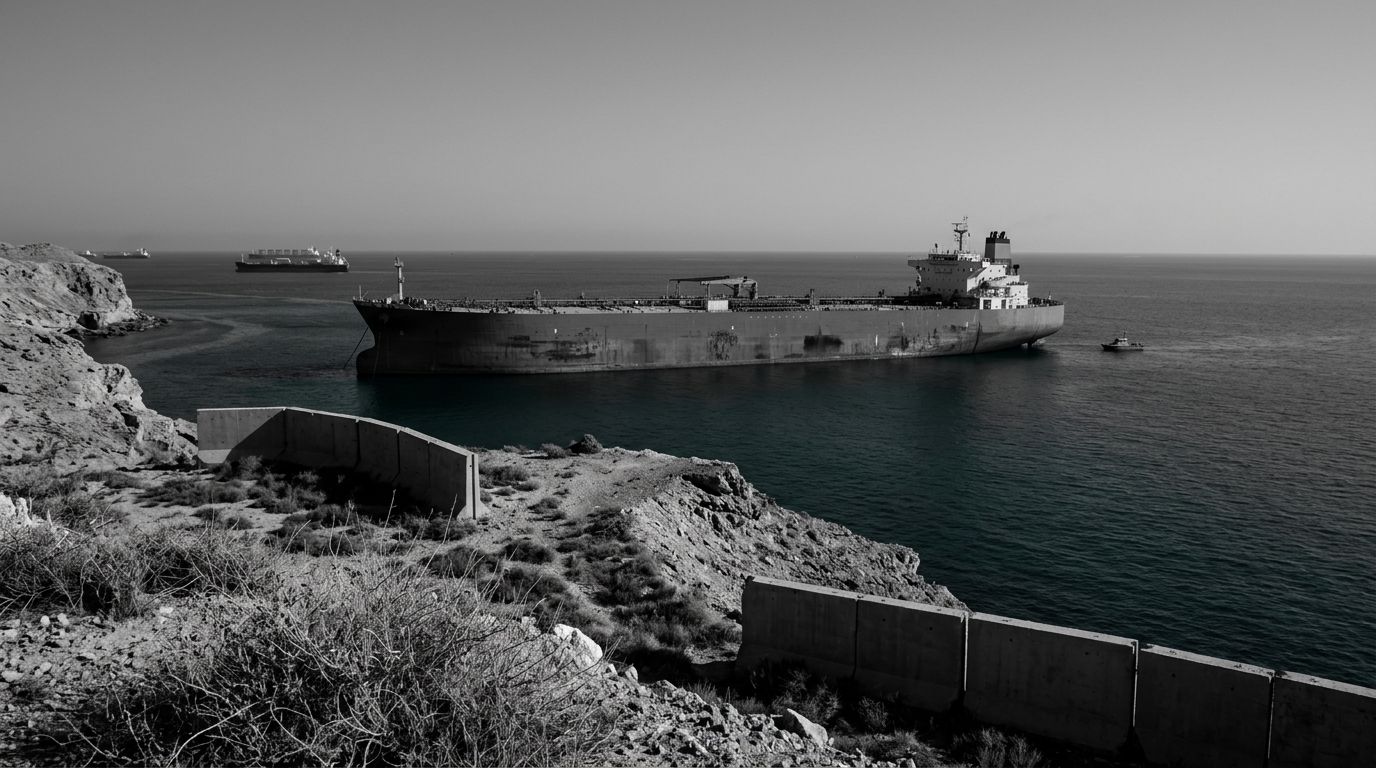
The Strait of Hormuz has been effectively closed to international shipping since late February 2026, after the US-Israel war on Iran, disrupting a key route for global energy trade.
Officials said Iran initiated the closure following the killing of Supreme Leader Ayatollah Ali Khamenei, leaving about 2,000 ships stranded in the Gulf and sharply reducing tanker and liquefied natural gas (LNG) movements.
Iran action and U.S. blockade tighten restrictions
The strait has historically carried about 20% of world oil and LNG supply, making the halt in traffic a major shock to energy logistics and shipping schedules.
The United States has imposed a naval blockade on Iranian ports and the strait, further escalating tensions and restricting all foreign-flagged vessels, according to the source material.
Mines and insurance cancellations deepen the shipping freeze
The security situation has been compounded by naval mines reportedly laid by Iran, creating hazards that have kept commercial operators from resuming normal transits.
Maritime insurers have canceled “war risk” coverage for tankers, while premiums for remaining coverage have risen from 0.25% to 5% of hull value, the source said, adding a steep cost barrier even for voyages that might otherwise be possible.
Mine-clearing timeline points to a prolonged disruption
The U.S. military began mine-clearing operations on April 11, 2026, using guided-missile destroyers and underwater drones, as the conflict continued.
Pentagon officials told the U.S. House Armed Services Committee on April 21, 2026, that fully clearing the strait could take six months and is unlikely to be completed before the war ends, underscoring uncertainty over when shipping could normalize.
IEA warns of historic supply shock and recession risk
The International Energy Agency has projected that the disruption could become the largest oil supply shock in history, exceeding the oil shocks of the 1970s, according to the source material.
Insurers and shipowners face difficulty quantifying and pricing risk amid shifting military conditions and unclear mine-clearance progress, which has hindered any broad return of commercial traffic.
Even if peace is brokered, the source said the lingering threat of mines could prevent a return to pre-conflict shipping patterns, raising the risk of a global recession.