Bahrain Revokes Citizenship of 69 Amid Iran Tensions
Bahrain revoked the citizenship of 69 people accused of harboring sympathies for Iran, a significant escalation in a wider regional security crackdown.
Lauren Collins ·
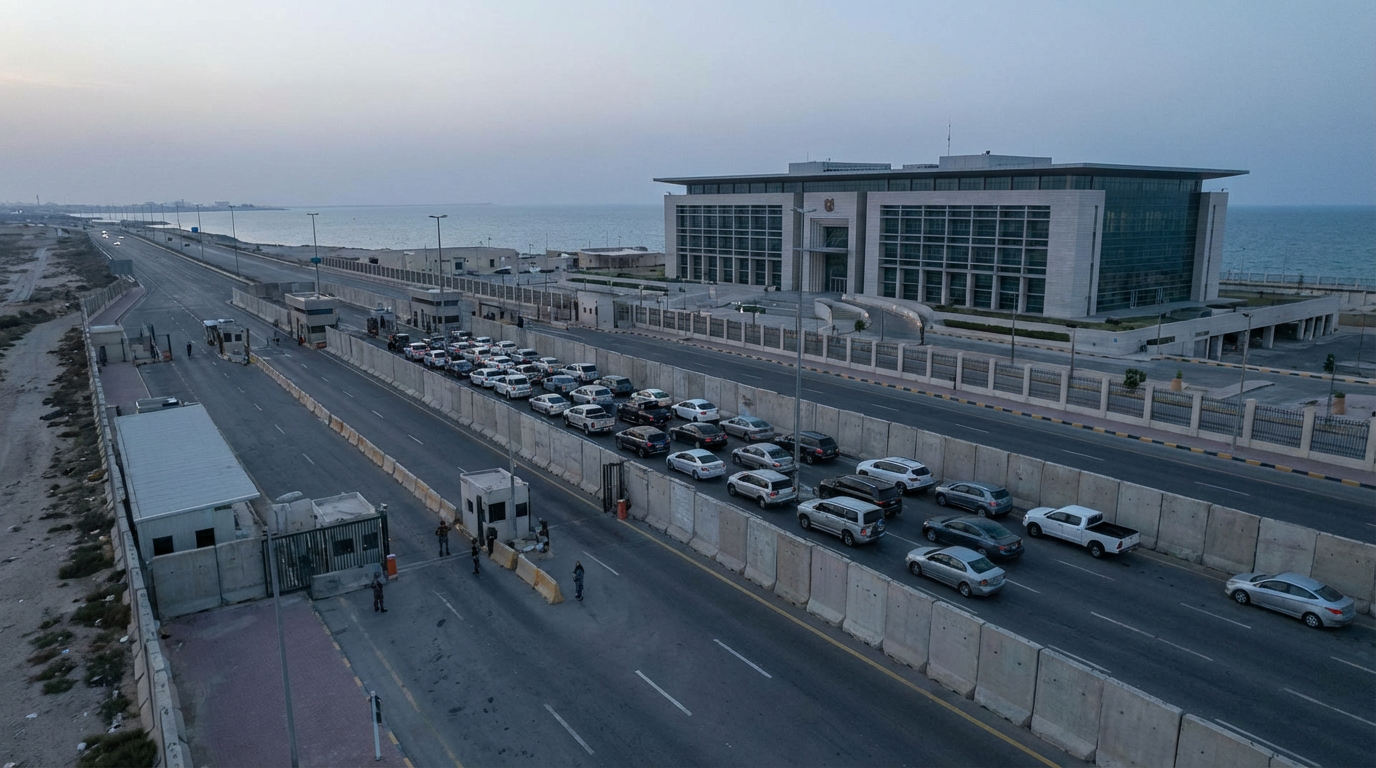
Bahrain has revoked the citizenship of 69 individuals, including their dependents, over allegations of harboring sympathies for Iran. This marks a new phase in a broad security campaign across the Gulf region.
The government cited charges including glorifying attacks linked to Iran and engaging with unspecified “external parties” as grounds for the decision. The move makes those affected stateless, representing a sharp escalation from previous measures like arrests and prosecutions.
Regional Context and Human Rights Concerns
While many Gulf countries have conducted arrests related to the ongoing regional conflict, this is the first known application of mass citizenship revocation. Authorities across the region have detained individuals on charges ranging from planning attacks to posting images of wartime damage online.
The London-based Bahrain Institute for Rights and Democracy (BIRD) sharply criticized the action, describing it as the start of “a dangerous era of repression.” The group emphasized that those who lost their nationality have no legal avenue to appeal the decision, raising significant due process concerns.
This irreversible measure expands the government’s tools for addressing perceived disloyalty beyond the traditional justice system. Observers note it creates a powerful deterrent against dissent by targeting not just individuals but also their families.
Judicial Actions and Future Outlook
This development coincided with separate judicial actions. A Bahraini court handed down life sentences to five defendants convicted of collaborating with Iran’s Islamic Revolutionary Guard Corps (IRGC). The group included three Bahraini citizens and two Afghan nationals.
Bahraini officials have indicated that this may not be an isolated event. The government released a statement confirming it will continue reviewing cases to determine “those who merit the honor of Bahraini nationality and those who do not.”
This declaration suggests that further citizenship revocations are likely as the kingdom hardens its internal security posture. The policy signals a long-term strategy to counter perceived Iranian influence through stringent domestic controls.