Iran Threatens Hormuz Shipping Lane Amid Sanctions Spat
Iran restricts the Strait of Hormuz again from Saturday amid a U.S. sanctions dispute, with reported IRGC firing incidents near Oman.
Lauren Collins ·
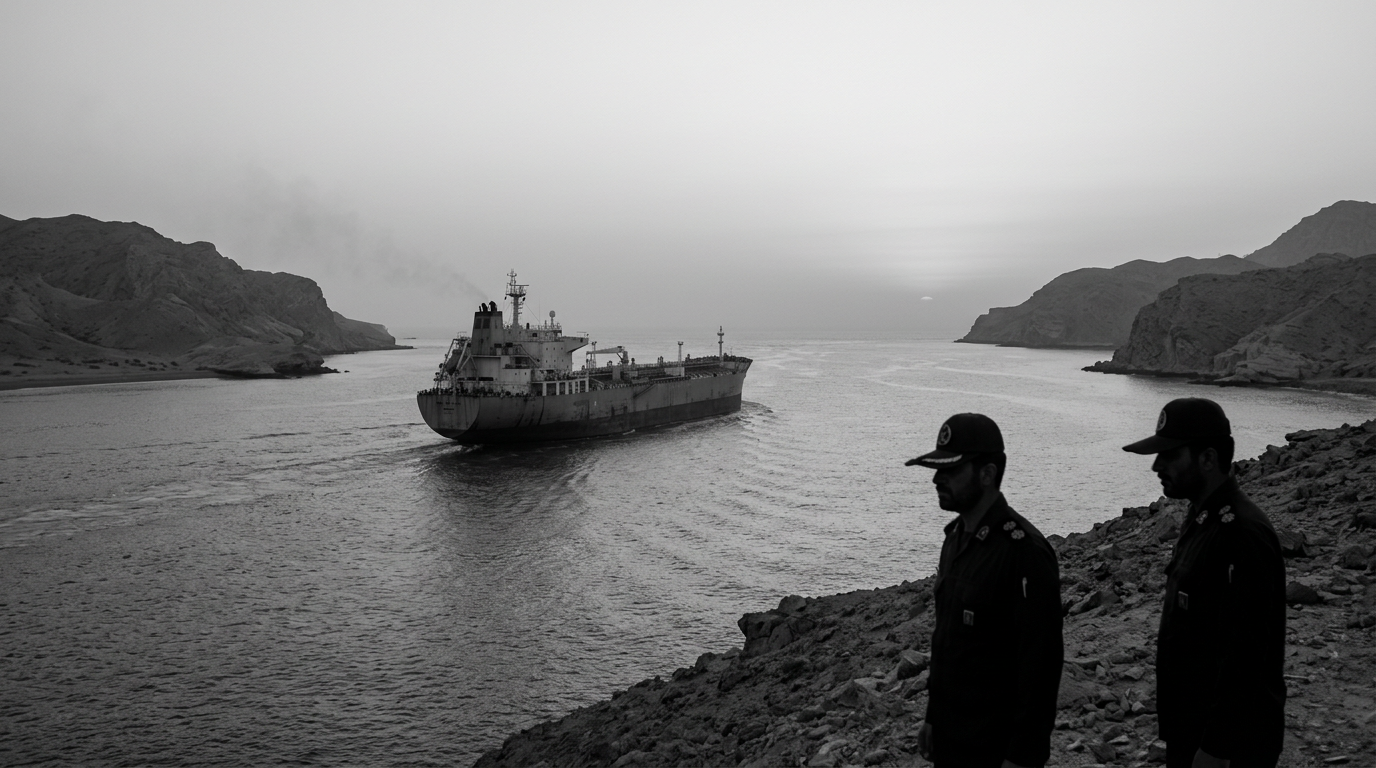
Iran has reimposed restrictions on the Strait of Hormuz , a major global shipping corridor, with the measures taking effect on Saturday amid a standoff with the United States over sanctions on Iranian ports. Officials linked the move to Washington’s refusal to lift those sanctions, which Iran said had been a condition for keeping the waterway open.
The renewed restrictions reverse a short-lived reopening of the strait. The passage had briefly resumed on Friday after a 10-day ceasefire between Israel and Lebanon, which was described as part of wider regional peace negotiations. The latest step by Tehran reintroduces limits on transit through a route that is central to global energy flows.
Iran’s Khatam al-Anbiya joint military command said the strait is now under strict management. It added that restrictions would remain unless the United States ensures full freedom of navigation for Iranian vessels. The same position was reiterated by Deputy Foreign Minister Saeed Khatibzadeh and the navy command of the Islamic Revolutionary Guard Corps (IRGC), according to the source material.
Maritime security reporting also pointed to incidents near the strait following the renewed restrictions. The UK Maritime Trade Operations Centre said two IRGC gunboats fired on a tanker about 20 nautical miles northeast of Oman and that the firing occurred without prior warning. Separately, an Indian-flagged crude oil vessel was also reported to have been attacked.
The United States’ position, as described in the source, is that its blockade on Iranian ports will continue until a permanent peace agreement is reached. Iran’s decision to tighten controls on the strait was presented as a response to that stance, with Tehran tying any easing of restrictions to changes in navigation conditions for Iranian shipping.
The Strait of Hormuz is a strategic chokepoint for energy trade, with about 20% of the world’s oil and liquefied natural gas transiting the route, according to the source material. With restrictions back in place and reports of vessels being fired upon, the situation is being closely watched by energy markets and shipping operators because of the strait’s role in connecting Gulf producers to global buyers.
Further diplomacy is expected but remains uncertain on timing. U.S. and Iranian delegations are anticipated to hold additional peace talks, though specific dates were not confirmed in the source. For now, the operational status of the strait and the security environment around it remain key unknowns for commercial shipping and energy supply routes.