Appeals court allows Trump White House ballroom construction to proceed through April 17
Trump White House ballroom construction can continue through April 17 after a 2-1 appeals court order on April 11, 2026.
Lauren Collins ·
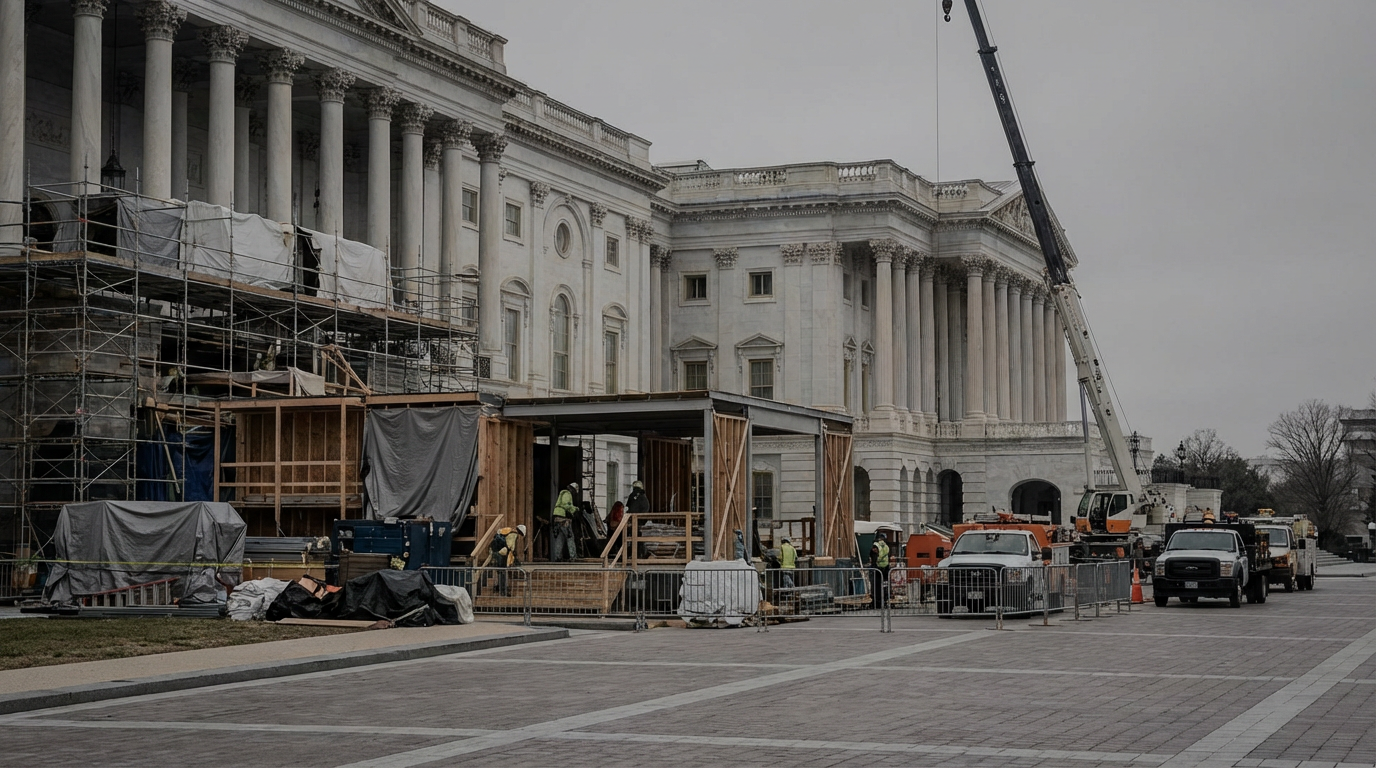
WASHINGTON, D.C. — A federal appeals court in Washington, D.C., issued a 2-1 decision on Saturday, April 11, 2026, temporarily allowing construction to continue on President Donald Trump’s proposed White House ballroom. The order permits work to proceed through April 17 while the court reviews the administration’s appeal of a lower-court ruling that would have required an earlier stop.
The appellate panel’s directive replaces a prior instruction that would have halted construction by April 14. The dispute centers on whether the project goes beyond presidential authority, after a lower court found the administration had not shown it could move forward without congressional approval.
At the same time, the three-judge panel sent the case back to the lower court and told it to clarify specific issues tied to the administration’s argument that the ballroom and other temporary additions are necessary for the safety and security of the President, his family, and staff. The appeals court said it will continue considering the administration’s challenge while the lower court addresses those security-related questions.
The administration has argued the ballroom is a national security requirement and does not need congressional authorization. Officials have said the project would cost $400 million and would be financed without using taxpayer dollars. They have also pointed to historical precedents for expansions to the White House as support for their position.
The National Trust for Historic Preservation, which filed the lawsuit, has rejected that view. The organization contends that building on federal property requires congressional approval and disputes the administration’s security justification for the project.
Earlier, U.S. District Judge Richard Leon issued a preliminary injunction that would have stopped the work, concluding that the President, as a steward of the White House, does not have authority to undertake such a project without Congress’s consent. The appeals court’s temporary allowance does not decide that underlying legal question, and the next steps depend on the lower court’s clarification of the issues the panel identified.