Partial Reopening of Qatari Waters Signals Critical Shift in Global Energy Supply Stability
Qatar waters partly reopen from Sunday after over a month, allowing vessel movements only 6 a.m.–6 p.m. as LNG routes face security risks.
Lauren Collins ·
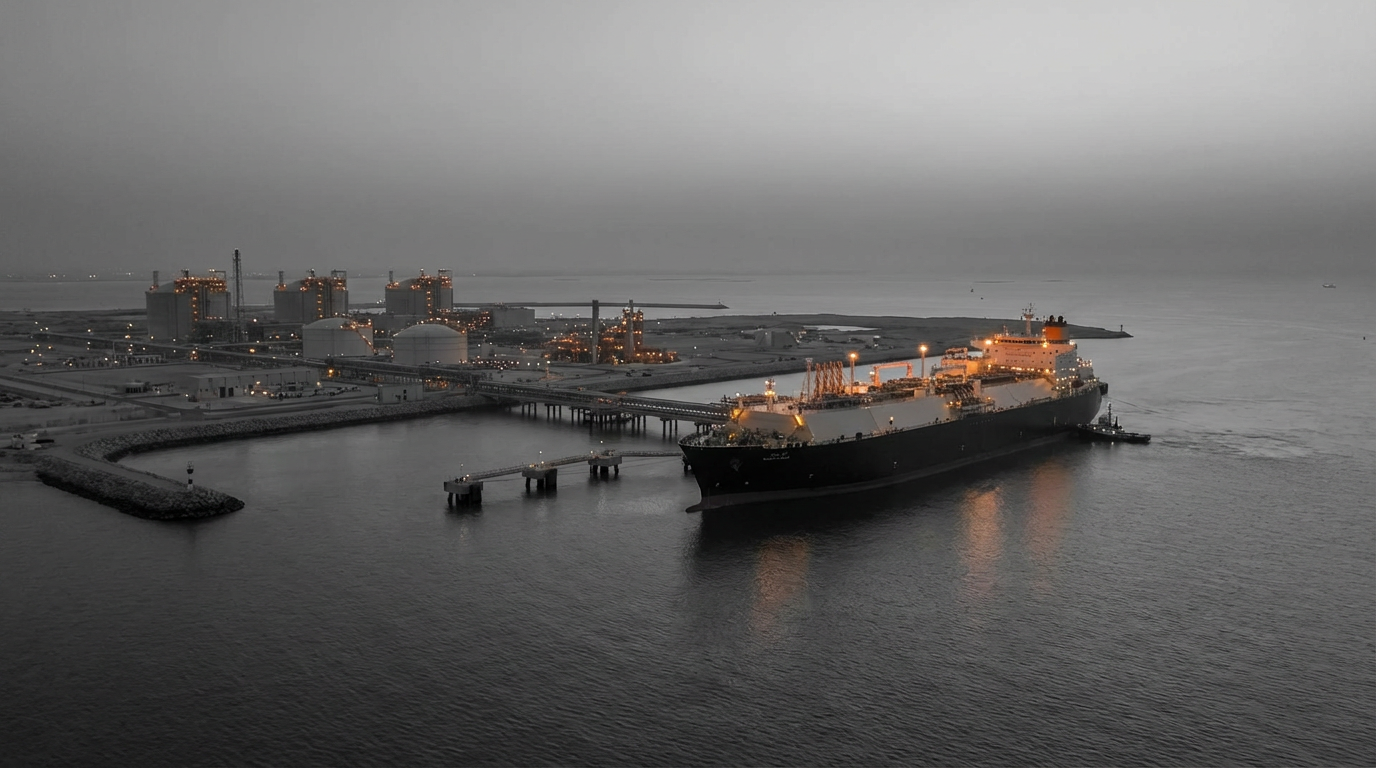
Qatar’s Ministry of Transport said maritime navigation in the country’s territorial waters will partially resume from Sunday, ending a suspension that lasted more than one month. Under the directive, vessels may operate only in daylight hours, from 6 a.m. to 6 p.m. local time. Officials framed the move as a step toward restoring normal shipping after a period of elevated regional security risks.
The earlier halt followed rising geopolitical tensions and heightened security concerns linked to the Strait of Hormuz. During the disruption, the waterway was described as effectively unusable for commercial traffic. As a result, Qatar’s tankers stopped transiting the area for more than a month, interrupting a key export route for liquefied natural gas (LNG).
Pressure on Qatar’s export system intensified in early March after a targeted attack on its main LNG export facility. The incident was attributed to Iran and was followed by a complete shutdown of what was described as the world’s largest LNG plant. Together, the facility outage and the shipping suspension removed a major supplier from international gas markets, adding uncertainty for buyers and traders.
Qatar is a leading LNG exporter, and the interruption was felt across supply chains that depend on steady cargo deliveries. Importers in Europe and Asia, which rely heavily on Qatari gas, faced the risk of shortages and sharper price swings. Against that backdrop, the return of navigation—even with a restricted operating window—was presented as an initial measure that could ease pressure in global energy markets.
Operationally, limiting movements to daytime hours is expected to force changes in scheduling for ship operators and cargo planners. The narrower window may also affect shipping logistics and insurance premiums, reflecting continued sensitivity around security conditions. Market participants and governments are expected to watch whether the limited reopening supports a gradual restart of exports from Qatar’s production system.
Attention is now focused on whether security conditions in and around the Strait of Hormuz improve enough to allow a return to 24-hour maritime traffic. Observers are looking for signals that a full resumption becomes feasible. The episode highlights how disruptions tied to this strategic corridor can quickly transmit stress through global energy security and cross-border gas trade.