Secret US-Iran Talks Held in Islamabad
U.S.-Iran direct talks began Saturday in Islamabad, mediated by Pakistan, focusing on security, finance, and the Strait of Hormuz.
Lauren Collins ·
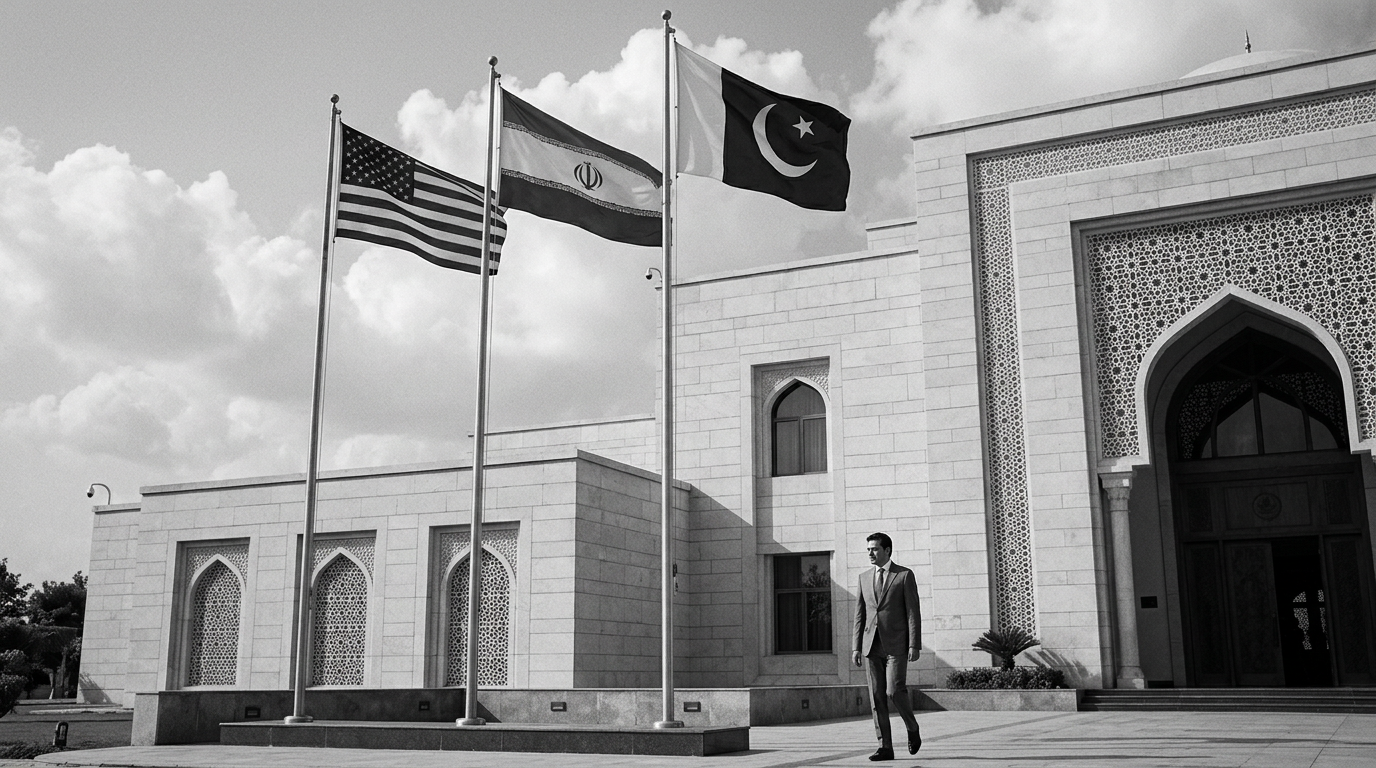
U.S. and Iranian officials held direct talks in Islamabad, Pakistan, on Saturday , in what was described as the first high-level, face-to-face engagement between the two countries since 1979. The meeting was mediated by Pakistan and was framed by officials as an effort to reduce tensions while conflict continues in Lebanon. The agenda also covered wider security and financial issues.
The U.S. delegation was led by U.S. Vice President JD Vance. Iran’s negotiating team included parliamentary speaker Mohammad Bagher Ghalibaf and Foreign Minister Abbas Araghchi. Pakistani Prime Minister Shehbaz Sharif hosted the delegations, and Pakistan’s army chief, Asim Munir, was also reportedly present.
Officials said the initial round lasted about two hours and centered on security, finance, and the Strait of Hormuz, before shifting into more technical discussions. Iran’s negotiators presented demands that included a ceasefire in Lebanon, reparations, and the unblocking of frozen assets. The U.S. delegation, upon arrival, warned against what it described as attempts at manipulation.
The talks took place as hostilities continued in the region. The source material cited Israeli strikes in southern Lebanon as part of the backdrop to the Islamabad meeting. It also referenced Iranian denials related to U.S. naval movements in the Strait of Hormuz, an area frequently tied to global energy shipping and broader security concerns.
Officials also pointed to a recent diplomatic setback: previous indirect negotiations in Geneva collapsed after a U.S.-Israeli bombing campaign in Iran. Against that context, the Islamabad meeting represented a shift from indirect channels to direct engagement, with Pakistan positioned as the mediator and host.
Uncertainties remain over whether the discussions will produce any concrete agreements, including on Lebanon-related demands, financial issues such as frozen assets, or maritime security concerns linked to the Strait of Hormuz. The source material did not describe any deal being reached during the initial session, and it did not provide a timetable for further rounds beyond noting the move into technical talks.