High Court Guts Voting Rights Protections
The Supreme Court ruled private parties cannot sue under Section 2 of the Voting Rights Act, limiting enforcement to the U.S. Attorney General.
Lauren Collins ·
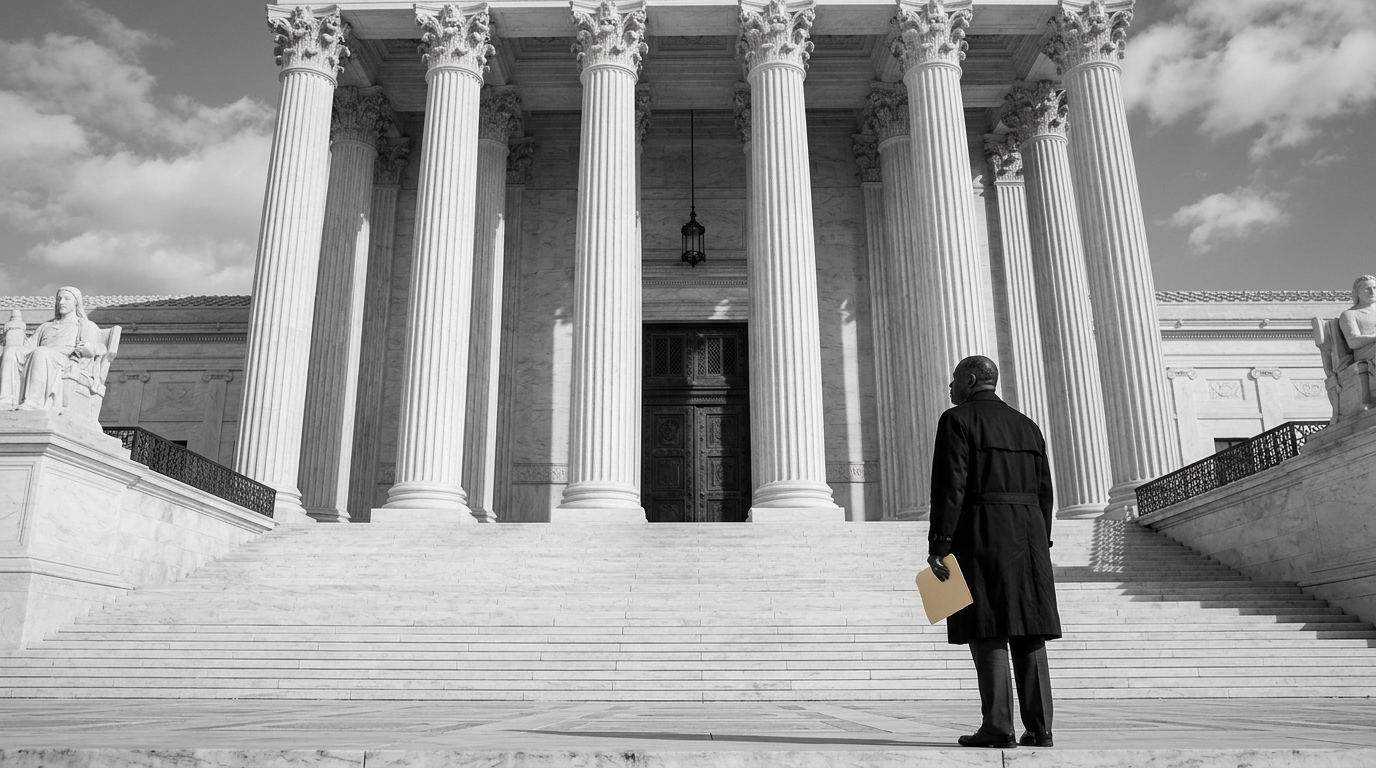
The U.S. Supreme Court on Thursday, June 20, 2024, issued a ruling that further diminished the enforcement power of the Voting Rights Act of 1965, specifically limiting the ability of private citizens and groups to sue under Section 2 of the landmark legislation.
This decision, stemming from a case involving a challenge to Louisiana's congressional maps, means that only the U.S. Attorney General can now bring lawsuits alleging racial discrimination in voting practices under this section.
The ruling effectively overturns decades of established legal precedent that allowed private parties to initiate such challenges.
The 6-3 majority opinion stated that Section 2 of the Voting Rights Act does not explicitly grant a private right of action, thereby reserving enforcement solely for the federal government. This interpretation significantly restricts the avenues available for addressing discriminatory voting laws and practices, particularly in states with histories of such issues.
The dissent argued that this decision undermines the core intent of the Voting Rights Act, which was designed to combat racial discrimination in voting through various enforcement mechanisms.
Legal experts indicate that this ruling will likely lead to a reduction in the number of lawsuits challenging voting restrictions, as the Department of Justice has finite resources and may not pursue every potential case. The change could empower states to enact more restrictive voting laws without facing immediate legal challenges from civil rights organizations and affected communities, potentially impacting voter access and representation in future elections.