

Seoul Reports N. Korea Projectile Launches
North Korea launched multiple projectiles, including short-range ballistic missiles, into waters off its west coast.
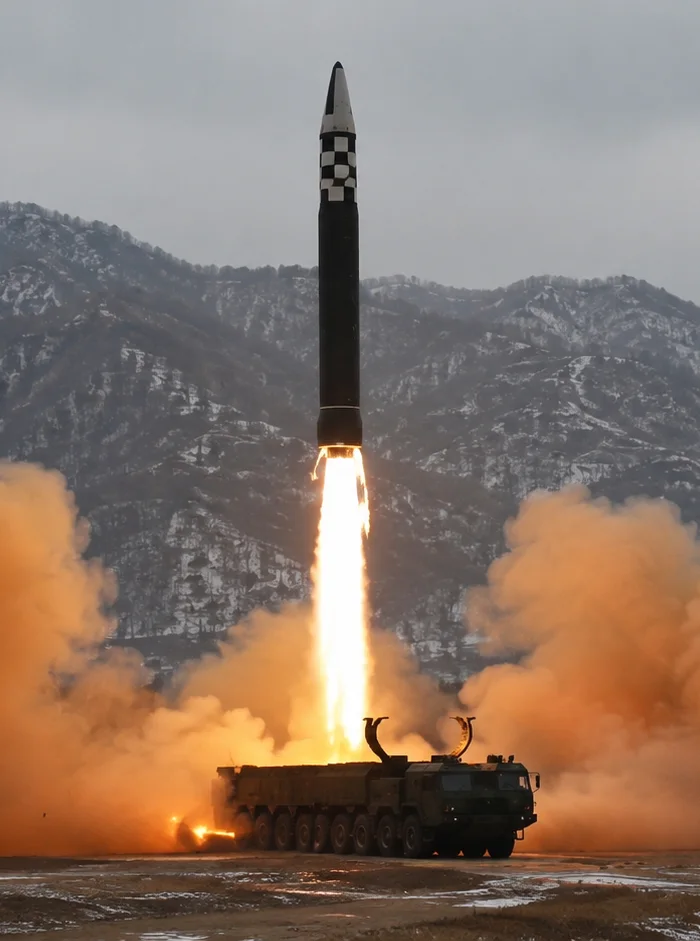
North Korea conducted a series of weapons tests on Tuesday, launching multiple projectiles, including short-range ballistic missiles, into the sea off its western coast. This latest action by Pyongyang adds to a growing list of military demonstrations this year, raising regional security concerns.
South Korea’s military confirmed the launches, with the Joint Chiefs of Staff (JCS) stating that the detected missiles traveled approximately 80 kilometers. Detailed analysis by South Korean and United States authorities is currently underway to ascertain the exact specifications of the projectiles fired.
Regional Monitoring and Response
Intelligence agencies of South Korea and the U.S. closely monitored the missile movements from the outset of the launch. Data sharing extended to Japan, underscoring a coordinated regional approach to tracking Pyongyang's military activities. The JCS affirmed a state of readiness, prepared to respond decisively to any future provocations.
This incident follows a similar pattern of short-range ballistic missile launches observed on April 19, which were directed towards North Korea's eastern coast. The increased frequency of these tests indicates a persistent effort by Pyongyang to advance its missile capabilities and project military power.
Geopolitical Context and Shifting Priorities
The current weapons display occurs amidst a prolonged conflict in Iran, drawing significant attention and resources from global powers, particularly the United States. This shift in focus towards the Middle East has intensified security considerations for East Asian nations.
Analysts suggest that North Korea's persistent testing could be a strategic maneuver to assert its presence and potentially influence diplomatic dynamics amid changing global priorities. The regime has historically used such demonstrations to draw international attention and seek concessions.
The ongoing weapons development by North Korea remains a critical issue for regional stability. The international community continues to watch closely for further developments, emphasizing the need for de-escalation and dialogue. The effectiveness of existing sanctions and diplomatic efforts in curbing Pyongyang's activities will be under continued scrutiny.
More stories
- Eisenkot secures first coalition deal but lacks majority
- Germans oppose Ukraine aid as poll shows support slipping
- Kim Jong-un receives 10 envoys after constitutional shift
- Ukraine claims Libya strike sinks Russian naval corvette
- COP31 climate talks collapse over fossil fuels and funds
- Russian military faces 1,087 recorded suicides in Ukraine war
- Rubio: Iran Talks Could Last Days; Strait of Hormuz Access Remains U.S. Priority
- US-Iran Deal Looms: Hormuz Strait Ceasefire Talks Continue
Latest news
- Morocco targets 2030 World Cup final with new stadium bid
- Barclays puts AI bust risk at center of US growth debate
- US inflation reaches 3.8% before December Fed rate meeting
- Türkiye Desk: GTA 6 drains UK mobile spend as Turkish studios feel pressure
- Global stocks fall 0.4% as tariffs and US inflation loom
- CIA hack affects unclassified data; scope remains unclear
- Trump prepares tariffs on China and other major exporters
- New-car buyers pay record average $50,087 in October