Senate recess leaves GOP agenda stuck before midterm vote
Senate recess leaves Republicans with a funding patch, confirmed nominees and delayed Trump priorities as the midterm election sits 85 days away.
Lauren Collins ·
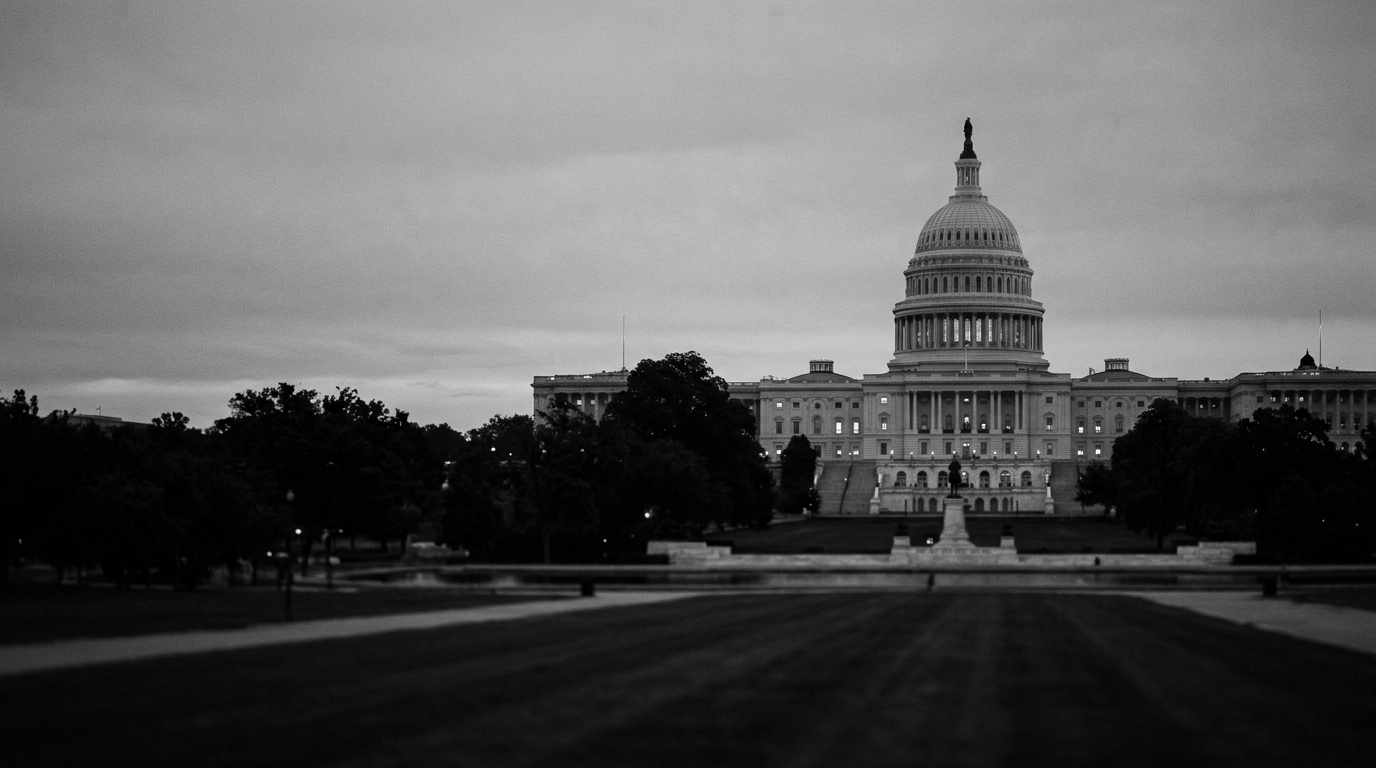
Senate recess leaves Republicans 85 days from the midterms with a December funding patch, stalled Trump priorities and unresolved disputes.
December funding moves to House
The Senate left Washington until September 14 after passing a continuing resolution that would finance the government until mid-December, shifting the next test to the House when it returns August 31. If the House clears the measure, Republicans will have removed a shutdown fight from the September calendar; if it stalls, funding again becomes the first-order deadline.
The chamber also confirmed Todd Blanche as attorney general and cleared nearly all of President Trump's remaining executive branch nominees, according to the account of the session. Senate Majority Leader John Thune called the confirmation pace "historic" and described Blanche's approval as "a good, solid win for the team."
Thune's position was made harder by President Trump's refusal in an interview to endorse him for another term as Republican leader. Thune said the disconnect was "probably to be expected" and called Trump's pressure over the SAVE America Act and the filibuster "a reality I have to deal with."
Trump pressure meets Senate math
The wins did not settle the conflict between the White House, Thune and Senate conservatives over what can pass under current rules. In a 2.5-hour Republican meeting Friday night, senators argued over the SAVE America Act, a budget reconciliation package and a college sports name, image and likeness bill, according to multiple attendees.
The political constraint is arithmetic as much as ideology. The voter ID measure offered by Sen. Jon Husted of Ohio reached the floor, but it did not draw the 60 votes needed to advance, leaving Republicans to fault Democrats while conservatives pressed their own leaders for more aggressive tactics.
Sen. Mike Lee of Utah had urged colleagues to cancel the recess to keep pushing the broader SAVE America Act, but he did not force the roll-call vote he had threatened. After the Republican meeting, Lee acknowledged, "We, for a variety of reasons, don't have the wherewithal to pass it right now."
Senate Budget Committee Chair Ron Johnson of Wisconsin tried to return the argument to party lines, saying Democrats would not support voter-integrity measures. Johnson also was assigned to tell President Trump that a budget resolution vote would not occur before the recess; Trump, Johnson said, accepted the reality that the plan lacked the votes without changes.
Reconciliation slips toward lame duck
The most consequential delay is the abandoned budget resolution that would have opened the floor process for a third reconciliation package, including parts of the SAVE America Act. Republicans need 50 votes to start that route, but several senators warned that a failed vote would expose dissenters inside their own conference.
The calendar compounds the problem. A September vote-a-rama would land close to the election, forcing senators into recorded positions on amendments that opponents could use in fall campaigns, and some Republicans doubted the vote would be feasible before the lame-duck session.
Other items were left for September as well. The Senate did not hold an initial procedural vote on the college sports NIL bill, and the Clarity Act, a crypto market structure bill Thune had said would move before recess, remained unresolved after Democrats described the text as premature.
Economic claims shape fall message
The policy fight is unfolding against a mixed economic message Republicans are trying to manage. The source account said inflation and gasoline prices remain elevated, the latest jobs report was weak, and Iran peace talks have become a political problem for the White House, while Republicans are emphasizing equity-market records and corporate earnings strength.
If the House passes the funding bill and the Senate uses September for nominations and targeted legislation, the global macro effect would be limited to removing a shutdown risk from near-term US fiscal policy. For the White House, that would give President Trump a cleaner argument on governance; for regulated sectors, including crypto and college sports, it would still leave rulemaking uncertainty in place.
If the funding patch falters or reconciliation returns in a late-year scramble, the mechanism changes. Fiscal brinkmanship would compete with inflation, energy costs and election messaging; Thune would face renewed pressure from President Trump and Senate conservatives; and industries waiting on crypto and NIL rules would have to plan around another round of legislative delay.