

Screened Ugandan women discuss cervical screening with 50.3% of peers
Only 15.5% of network members were perceived to have ever screened, suggesting encouragement alone may not translate into uptake.
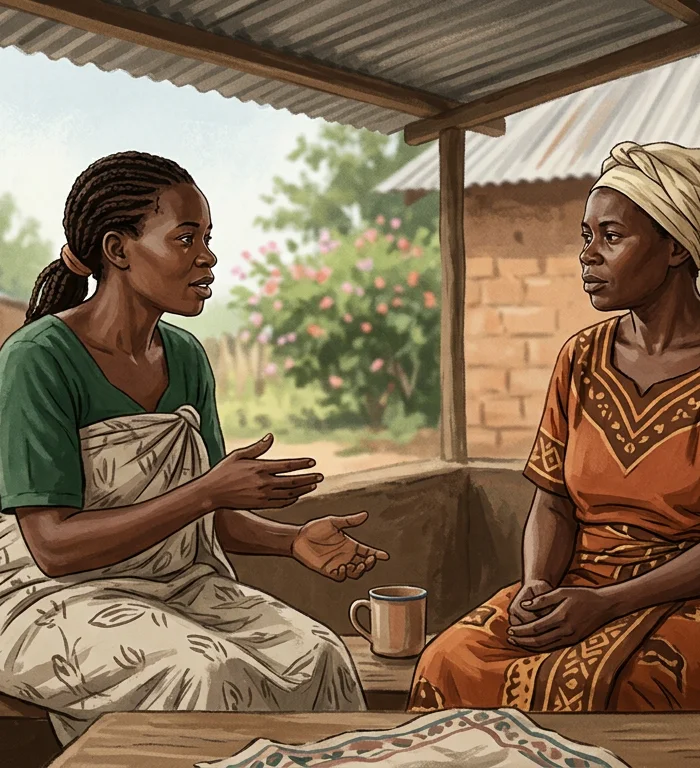
Screened Ugandan women discussed cervical cancer screening with 663 of 1,319 social-network members, or 50.3%, in baseline trial data posted by RAND on Nov. 20.
The PEC Global study matters because only 204 network members, 15.5%, were perceived to have ever been screened, even as advocacy conversations most often included encouragement, at 95.2%.
Glenn Wagner and co-authors analyzed baseline data from an ongoing clinical trial of 160 women who had already been screened for cervical cancer. The paper used “alters” to describe people in each participant’s social network.
“Participants discussed the importance of CC screening (i.e., advocacy for screening) with 663 (50.3%) of the alters,” Wagner and co-authors wrote. Those conversations included access information in 88.1% of cases and direct support, such as transport, in 17.3%.
The study examined perceived lifetime cervical cancer screening among network members. In simpler comparisons, screening was associated with older age, knowing the participant had been screened, being more supportive of the participant and receiving advocacy in the past six months.
That pattern narrowed in the fuller model. Wagner and co-authors wrote that “only age was an independent correlate in multiple regression analysis,” referring to a statistical method that tests several factors together rather than one at a time.
The study cannot show that peer advocacy was linked to higher screening uptake. It relied on screened women’s perceptions of whether network members had ever been screened, rather than confirmed screening records, and it analyzed baseline data rather than results after an intervention.
The findings apply most directly to the social networks of screened women in Uganda. They do not establish what would happen among unscreened women, in other countries or in health systems with different access barriers.
The authors concluded that more research is needed on how screened women’s peer advocacy can be optimized to increase cervical cancer screening within their networks.
Source: RAND external publication page for PEC Global, Nov. 20, 2026.
Atlas360 reports health research and does not provide medical advice.
More stories
- Dietitians advise small swaps for plant-based eating
- TikTok dementia videos mislead in 66.4% of sample, researchers say
- Aberdeen Royal Infirmary faces police inquiry call over 19 deaths
- Bariatric surgery group loses 28.2% after GLP-1 use
- TOFA boosts mouse energy use 18% while preserving muscle
- ICO probes NHS therapy notes accessible to up to 140,000 staff
Latest news
- David Parr House to honor Victorian art-workman with blue plaque
- Iran's attacks hit 25 tankers near Strait of Hormuz
- FCC approves prison cellphone jamming despite 2.5-mile warning
- Russia strikes Ukraine as Odesa faces electricity strain
- Bahrain reports two injuries after Iranian aerial attacks
- Congress tests Black Democrats' growing policy influence
- Baltic responders fight Sparta II fire after drone strike
- Europe faces attribution gap after 16 cyber, physical incidents