

Saudi organizers maintain 2027 Asian Cup timeline despite regional volatility
Saudi officials confirmed event preparations remain on track as recurring cross-border drone activity tests the Kingdom’s tourism and infrastructure security…
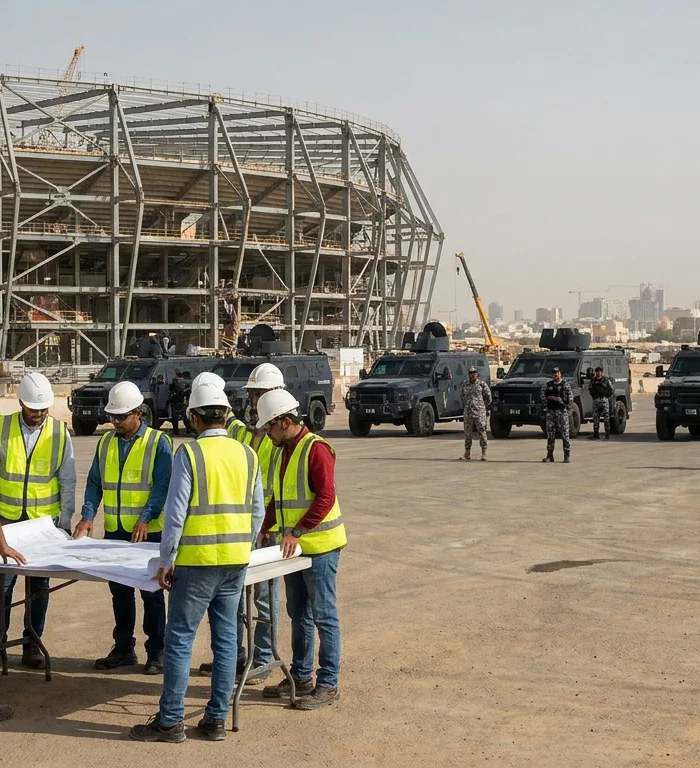
Infrastructure timeline remains unchanged
Saudi Arabia’s national organizing committee for the 2027 Asian Cup confirmed this week that infrastructure development and logistical planning are proceeding according to original timelines. The statement follows intensified Houthi drone and missile activity originating from Yemen, which has drawn renewed scrutiny toward the Kingdom's ability to host global tourism and sporting events.
The Kingdom has committed billions in capital expenditure to modernize stadium facilities and transit hubs as part of the broader Vision 2030 strategy. These projects serve as physical anchors for the government’s attempt to pivot the national economy away from oil dependence and toward high-volume international tourism.
Regional security constraints
The persistence of cross-border threats represents a persistent variable in Saudi planning despite intermittent backchannel diplomatic negotiations involving Tehran and Riyadh. While high-level talks have aimed to de-escalate tensions along the southern border, the intermittent deployment of unmanned aerial systems by Houthi forces continues to create a volatile security environment.
Historical data indicates that such regional flare-ups often trigger immediate reassessments within the global insurance and logistics sectors. Analysts note that heightened risk profiles can influence the premiums levied on large-scale international gatherings, potentially increasing the total cost of ownership for events like the Asian Cup and the 2034 World Cup bid.
Tourism strategy meets tactical risk
The friction between the Kingdom’s 'open for business' posture and the reality of regional defense requirements creates a distinct operational challenge. Should the current security environment persist, the ability to maintain investor and visitor sentiment remains a central concern for the Saudi sporting agenda.
Saudi Arabia
The impact of this volatility extends beyond individual venues to the broader regional supply chain. Any disruption to traffic in the Bab al-Mandab or the Strait of Hormuz—should the conflict expand—would fundamentally alter the economics of importing specialized materials required for venue construction.
Monitoring security architecture
The outlook for regional events hinges on the efficacy of Saudi air defense integration and the success of diplomatic efforts to curb cross-border volatility. The main open question is whether the current security architecture can provide the necessary stability to satisfy international insurers before the peak construction phase concludes by June 1, 2025.
More stories
- Germans oppose Ukraine aid as poll shows support slipping
- Kim Jong-un receives 10 envoys after constitutional shift
- Ukraine claims Libya strike sinks Russian naval corvette
- COP31 climate talks collapse over fossil fuels and funds
- Russian military faces 1,087 recorded suicides in Ukraine war
- US faces China, Russia in Africa minerals contest
- Albania protests intensify as Rama rejects calls to resign
- US official denies Trump Starshield restriction directive
- Iran's President Defies U.S. at U.N.; Russia Says Ukraine War Will Continue During Talks
- Kyiv drone strikes kill two as Trump talks yield no deal
Latest news
- Trump prepares tariffs on China and other major exporters
- New-car buyers pay record average $50,087 in October
- Banks face ECB reserve debate over liquidity and profits
- Investors see Anthropic debut gains fade below $83 a share
- Iraq orders federal control over Kurdish-area oilfields
- Nvidia shares retreat as AI rally cools before PCE data
- Macy’s parade faces balloon limits as storm winds approach