

Satellite data exposes massive methane leaks across Turkish Landfills
Satellite monitoring has identified significant methane emissions from Turkish landfills, including Istanbul’s Silivri site, raising climate summit concerns.
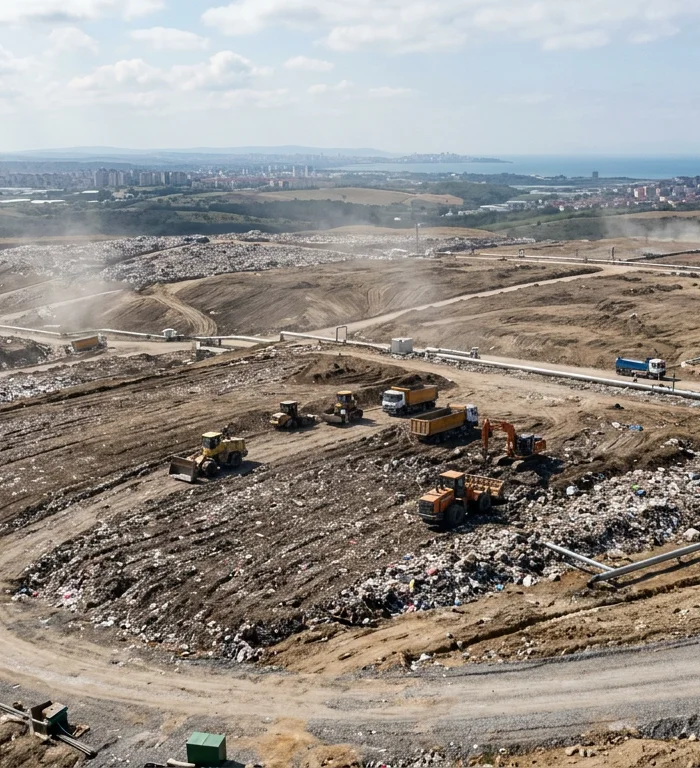
Satellite data has pinpointed the Silivri landfill, located near Istanbul, as a substantial source of methane gas, discharging an average of 7.4 tonnes per hour. This rate positions the facility among the world's leading waste sites for methane emissions. Further super-emitting plumes have also been identified at waste disposal areas in İzmir, Ankara, and Antalya.
The environmental impact from the Silivri site alone is comparable to the emissions generated by 1.5 million internal combustion vehicles annually. Municipal waste management operators have acknowledged the presence of these leaks. They attribute the emissions to ongoing operational difficulties in adequately covering organic waste materials.
Operational Challenges and Historical Context
Despite the current emission levels, operators note that the existing infrastructure represents an improvement compared to previous waste management standards. The challenges faced in covering organic waste contribute directly to the methane release observed.
These findings present a notable political challenge for the Turkish government, especially as it prepares to host an upcoming UN climate summit. The administration has explicitly prioritized methane reduction as a core component of its international climate strategy.
Implications for Climate Policy
The detection of such high domestic emissions could create a significant credibility gap. This gap would exist between the nation's declared global policy objectives on climate action and its actual environmental performance within its borders. The focus on methane reduction at the international level contrasts with the domestic emission data.
The satellite monitoring provides concrete evidence of specific high-emission points within the country's waste management system. This data underscores the urgency for effective mitigation strategies to align domestic environmental efforts with international commitments.
More stories
- ICE arrests at Seattle airport draw protests and scrutiny
- EU rejects COP31 deal as fossil fuel divisions block pact
- Staff notice in Commission cyberattack tests EU response
- Britain-EU deal eases food checks and youth travel rules
- European troops in Poland drill near reported missile crash
- Brooklyn collapse kills eight as city orders site sweeps
- Trump midterm convention draws candidates to GOP push
- Guyana deportees arrive as US third-country deal starts
Latest news
- Eisenkot secures first coalition deal but lacks majority
- Trump prepares tariffs on China and other major exporters
- New-car buyers pay record average $50,087 in October
- Banks face ECB reserve debate over liquidity and profits
- Investors see Anthropic debut gains fade below $83 a share
- Iraq orders federal control over Kurdish-area oilfields
- Germans oppose Ukraine aid as poll shows support slipping
- Kim Jong-un receives 10 envoys after constitutional shift