

Satellite analysis reveals 31 Iranian strikes on US regional sites
Independent data contradicts Pentagon reporting on the scale of damage to US facilities during the ongoing conflict with Iran.
Expanded scale of regional conflict
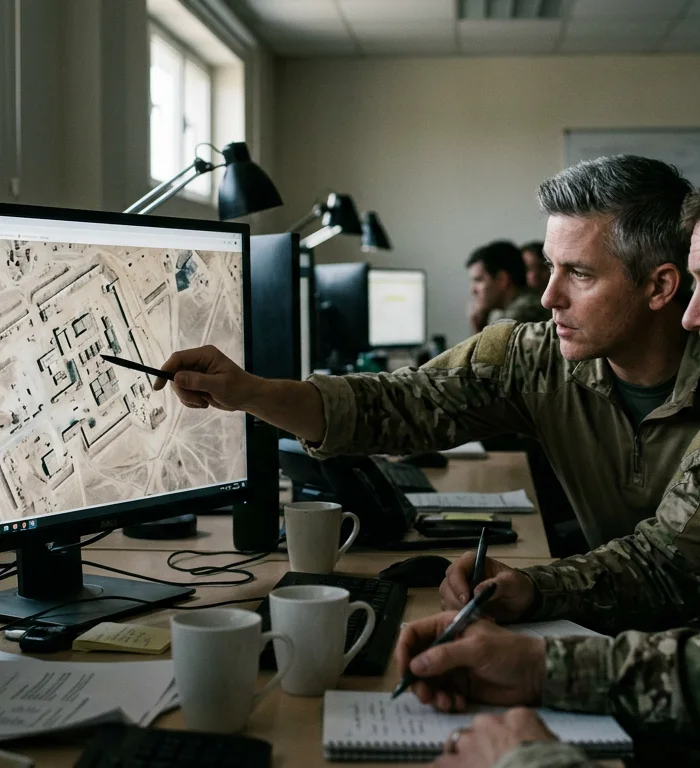
Satellite imagery and network analysis indicate that Iran has struck at least 31 US military and diplomatic facilities across the Middle East. This data, reported by the news program 60 Minutes on Sunday, suggests a broader scope of physical impact than previously disclosed by official government channels.
The conflict, which escalated following military engagements initiated in February, has seen repeated exchanges between US forces and Iranian-aligned actors. While the Pentagon, overseen by Defense Secretary Pete Hegseth, has acknowledged specific incidents, it has provided a limited public accounting of the total damage sustained by regional sites.
Pentagon disclosure standards
Middle East
The discrepancy between independent site assessments and official Pentagon briefings highlights a growing gap in public transparency. The Defense Department has maintained a policy of selective disclosure, which officials frame as necessary for operational security and the management of regional escalation. Critics and security analysts argue that the current reporting posture obscures the long-term readiness of US personnel and infrastructure. By minimizing the public count of damaged sites, the administration faces criticism that it is preventing a comprehensive assessment of the conflict's intensity and the risks posed to regional stability. Economic and security implications The intensity of the U.S.-Iran conflict directly affects regional capital markets and shipping insurance premiums. As uncertainty persists regarding the vulnerability of infrastructure near the Strait of Hormuz and the Bab al-Mandab, institutional investors have increased their risk-hedging strategies to account for potential disruptions to energy flows.
If the conflict continues to be characterized as The lack of a unified damage assessment complicates the ability of international firms to model their own operational security.
If the conflict continues to be characterized as contained despite evidence of site degradation, the resulting information asymmetry may heighten volatility in energy-linked equity markets across the Gulf Cooperation Council (GCC) states.
Transparency and future risk
The primary uncertainty remains whether the Pentagon will adjust its public reporting to reconcile with the accumulating satellite evidence. A shift toward greater disclosure could provide a more stable baseline for regional risk assessment, allowing for clearer pricing of geopolitical premiums.
Conversely, if the current reporting discrepancy persists through the first quarter of 2025, firms and investors will likely have to rely increasingly on independent third-party assessments. This environment places a premium on real-time monitoring of security-risk briefings as an alternative to official government reporting.
More stories
- Germans oppose Ukraine aid as poll shows support slipping
- Kim Jong-un receives 10 envoys after constitutional shift
- Ukraine claims Libya strike sinks Russian naval corvette
- COP31 climate talks collapse over fossil fuels and funds
- Russian military faces 1,087 recorded suicides in Ukraine war
- US faces China, Russia in Africa minerals contest
- Iraq government sacks nine officials over oil-smuggling claims
- Canada and UK back $1.3tn climate finance goal at COP31
- US approves $2.1 billion Patriot missile sale for Ukraine
- France faces recession risk after 0.1% GDP drop
Latest news
- Trump prepares tariffs on China and other major exporters
- New-car buyers pay record average $50,087 in October
- Banks face ECB reserve debate over liquidity and profits
- Investors see Anthropic debut gains fade below $83 a share
- Iraq orders federal control over Kurdish-area oilfields
- Nvidia shares retreat as AI rally cools before PCE data
- Macy’s parade faces balloon limits as storm winds approach