

Russia Ratifies New Standard-Gauge Rail Link with China
Russia has ratified a deal to build a standard-gauge rail link with China, signaling a strategic shift toward deeper economic integration and improved…
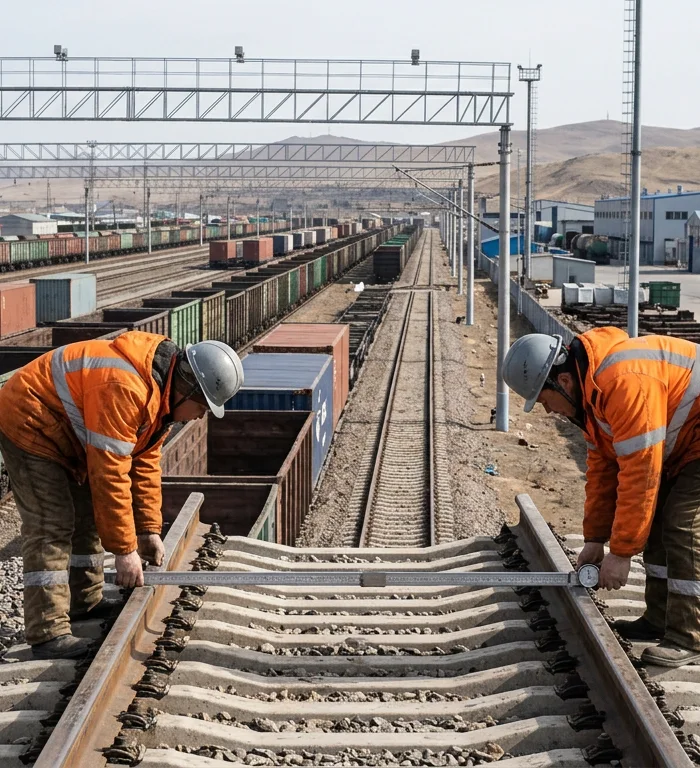
Russia has formally ratified a bilateral agreement to construct a second railway track at the Zabaikalsk-Manzhouli border crossing. The project mandates the use of China’s standard gauge, a departure from the broader Russian gauge system traditionally used in the region. This infrastructure development is intended to increase freight capacity and streamline logistics between the two nations.
The ratification follows a diplomatic agreement reached during high-level meetings in May. The project serves as a key component of Russia’s strategic pivot toward Asian markets, aimed at mitigating the impact of Western sanctions and diversifying trade routes. By aligning technical standards with Chinese infrastructure, Moscow is reducing transshipment delays and lowering operational costs for cross-border transit.
This development underscores a deepening of economic integration between Moscow and Beijing. The synchronization of rail standards suggests a long-term commitment to high-volume trade, particularly in energy and raw materials. The project is expected to enhance the efficiency of the Trans-Siberian and Baikal-Amur Mainline corridors, which have faced significant congestion due to increased demand for eastward-bound exports.
Amur Mainline
For policymakers, this move signals a shift in Russian infrastructure governance, prioritizing interoperability with the Chinese rail network over legacy technical standards. The project is likely to strengthen China’s influence over regional logistics and solidify its position as Russia’s primary economic partner. Observers should monitor the construction timeline and the potential for similar technical alignment in other cross-border infrastructure projects, such as energy pipelines and digital connectivity frameworks.
Future developments will likely focus on the expansion of customs facilities and the integration of automated cargo handling systems at the Zabaikalsk-Manzhouli hub. The success of this rail link will serve as a benchmark for the viability of the broader eastward pivot, particularly as Moscow seeks to maintain export volumes despite ongoing geopolitical isolation from Western financial and logistics networks.
More stories
- Germans oppose Ukraine aid as poll shows support slipping
- Kim Jong-un receives 10 envoys after constitutional shift
- Ukraine claims Libya strike sinks Russian naval corvette
- COP31 climate talks collapse over fossil fuels and funds
- Russian military faces 1,087 recorded suicides in Ukraine war
- US faces China, Russia in Africa minerals contest
- Arctic route saves South Korean ships at least 10 days to Europe
- Tinubu seeks $7.7bn external loan for Nigeria deficit
- European Commission seeks disaster accountability for 3°C world
- Dongpeng and Mengniu cut Mbappe ties after Mao joke video
Latest news
- Trump prepares tariffs on China and other major exporters
- New-car buyers pay record average $50,087 in October
- Banks face ECB reserve debate over liquidity and profits
- Investors see Anthropic debut gains fade below $83 a share
- Iraq orders federal control over Kurdish-area oilfields
- Nvidia shares retreat as AI rally cools before PCE data
- Macy’s parade faces balloon limits as storm winds approach