US Long-Range Missile Inventory Faces Scrutiny Amid Iran Conflict
Reports suggest significant depletion of US long-range precision munitions during the Iran campaign, a claim the White House has formally disputed.
Atlas Newsdesk ·
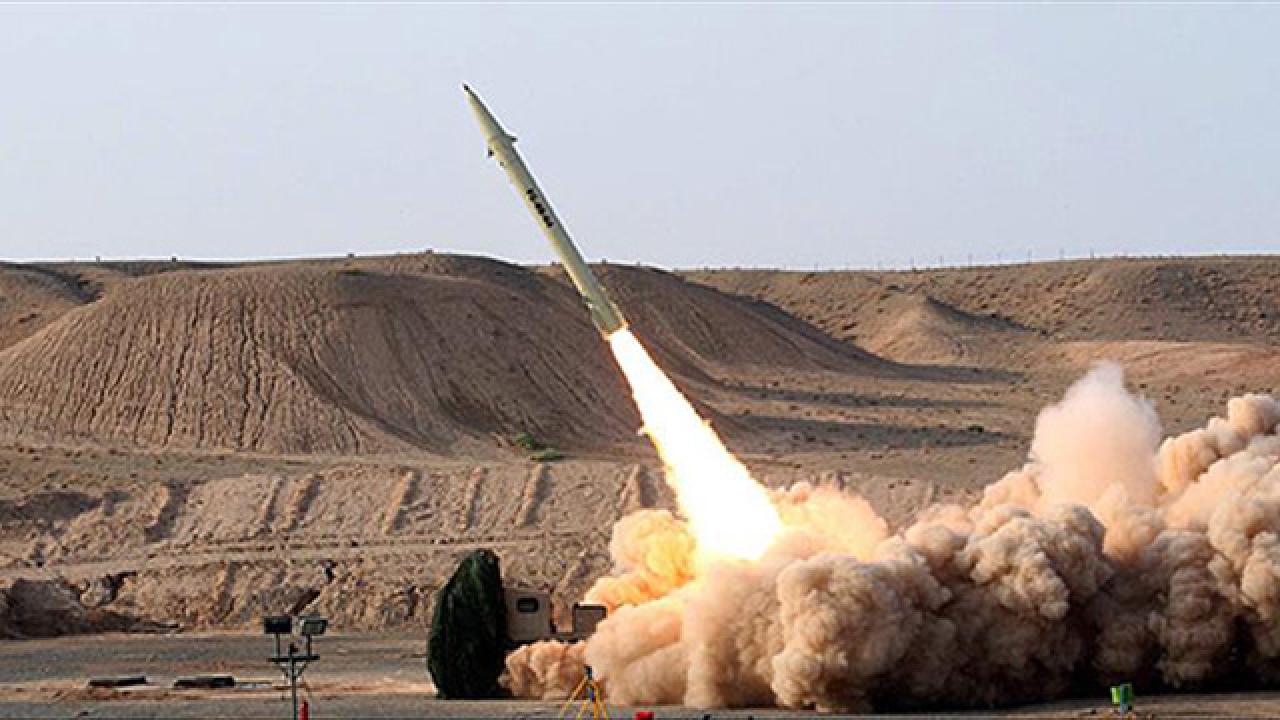
Inventory Concerns Surface
Recent assessments regarding the United States' military readiness have sparked a debate over the availability of long-range precision weaponry. Insiders familiar with the matter suggest that five months of active engagement in the Middle East have significantly reduced the military's stockpile of ground-launched missiles.
This situation has prompted questions about Washington's ability to simultaneously address security challenges involving Russia, China, and Iran. The core of the discussion centers on whether current operational tempos are sustainable without compromising broader strategic deterrence.
Missile Systems Under Pressure
According to multiple accounts, the Army Tactical Missile System (ATACMS) and the newer Precision Strike Missile (PrSM) have been utilized extensively against targets within Iran. While specific figures remain classified, some observers suggest that a substantial portion of these inventories has been exhausted.
These platforms are essential for engaging targets from a distance, minimizing risks to personnel and aircraft. The PrSM, in particular, was intended to serve as a long-range successor to older systems, yet its deployment has been accelerated by the ongoing conflict.
Defense analysts note that the depletion of such assets could complicate military planning in the Pacific. Maintaining a credible deterrent against potential adversaries requires a robust supply of these high-tech munitions, which are notoriously difficult and time-consuming to manufacture.
Official Stance and Production
The White House has dismissed concerns regarding a potential shortage of munitions. Officials maintain that the nation possesses an ample supply of weaponry and that domestic defense manufacturing has reached record levels of output.
A spokesperson for the Department of Defense stated that the military retains the necessary capabilities to execute its missions as directed. The official emphasized that the current arsenal remains sufficient to protect national interests while fulfilling global commitments.
Despite these assurances, experts highlight that producing precision missiles involves complex supply chains and specialized technology. Unlike standard artillery shells, these systems cannot be replenished rapidly, creating a potential bottleneck if the conflict persists.
Strategic Implications
The decision to rely heavily on long-range missiles was reportedly driven by a desire to avoid the risks associated with manned aerial sorties. While this strategy has protected pilots, it has placed an unforeseen burden on the nation's missile reserves.
If the reported inventory levels are accurate, the military may face difficult choices regarding resource prioritization in future crises. The primary uncertainty remains the exact quantity of remaining missiles, as the government has not disclosed specific figures.
Moving forward, the pace of production and the evolution of the target list in Iran will be critical factors. Should the conflict continue to demand high volumes of precision strikes, the pressure on the defense industrial base will likely intensify, testing the limits of current manufacturing capacity.