

Regional Tensions Rise After Reported Iran Drone Strikes
The UAE, Kuwait, and Qatar have reported drone incursions, which they attribute to Iran, escalating regional tensions amidst a fragile ceasefire.
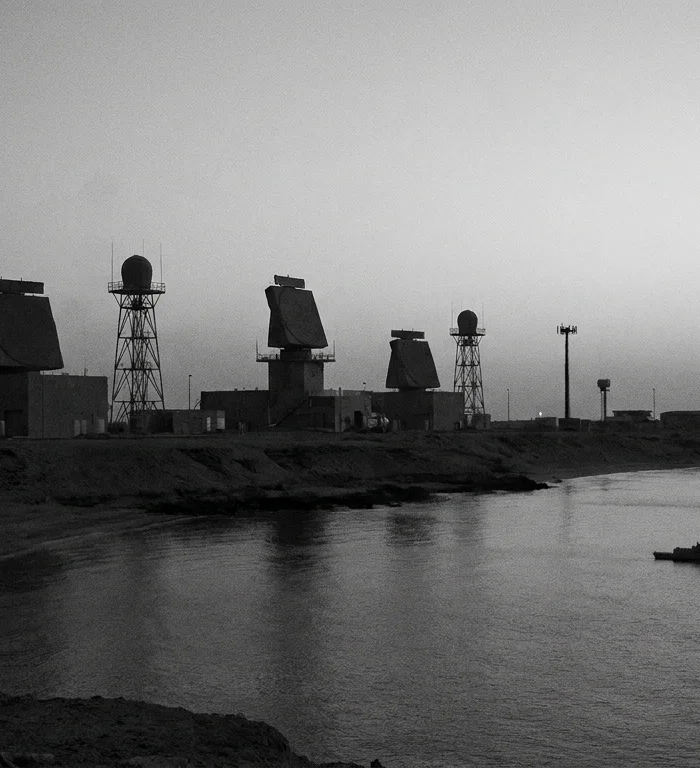
Recent days have seen a concerning escalation in the Persian Gulf, with the United Arab Emirates (UAE), Kuwait, and Qatar reporting suspected drone attacks. These incidents, attributed by intelligence to Iran, coincide with a fragile regional ceasefire, raising alarms about potential destabilization.
Specifically, the Emirati Defense Ministry stated that two Iranian drones were intercepted and engaged over its territory on Sunday. This marks a new phase in regional aerial threats, prompting a temporary shisources to remote learning for UAE schools before in-person classes resumed.
Regional Security Concerns Mount
Kuwait's army also confirmed the detection and handling of hostile drones within its airspace on Sunday. While the origin was not explicitly stated, the timing aligned with similar reports from its neighbors, suggesting a coordinated pattern of activity.
Qatar also reported an alleged drone incident, further underscoring a broader pattern of incursions across the Gulf. These events contribute to a heightened sense of vulnerability and necessitate increased vigilance among regional security forces.
Iran's Stance and Warnings
Despite the accusations, Iran has consistently denied conducting operations against the UAE recently. However, Tehran has issued stern warnings, indicating a "crushing response" to any actions launched against it from Emirati soil.
Furthermore, a spokesman for the Iranian parliament’s national security commission, Ebrahim Rezaei, declared that Iran's "restraint is over." He explicitly warned the United States that any attack on Iranian vessels would trigger a robust and decisive response against American ships and bases.
Implications for Regional Stability
These alleged drone attacks and subsequent rhetoric have significant implications for the delicate balance of power in the Gulf. The incidents test the limits of existing ceasefires and diplomatic engagements, risking broader conflict.
Regional and international actors are closely monitoring the situation to prevent further escalation. The focus remains on de-escalation and ensuring open communication channels to avert miscalculations that could have far-reaching consequences for global energy markets and security.
More stories
- Eisenkot secures first coalition deal but lacks majority
- Germans oppose Ukraine aid as poll shows support slipping
- Kim Jong-un receives 10 envoys after constitutional shift
- Ukraine claims Libya strike sinks Russian naval corvette
- COP31 climate talks collapse over fossil fuels and funds
- Russian military faces 1,087 recorded suicides in Ukraine war
- Trump Rejects Iran Offer to Reopen Hormuz in Sta
- UAE Students Are Heading Back to School After Another Drone Scare
Latest news
- Morocco targets 2030 World Cup final with new stadium bid
- Barclays puts AI bust risk at center of US growth debate
- US inflation reaches 3.8% before December Fed rate meeting
- Türkiye Desk: GTA 6 drains UK mobile spend as Turkish studios feel pressure
- Global stocks fall 0.4% as tariffs and US inflation loom
- CIA hack affects unclassified data; scope remains unclear
- Trump prepares tariffs on China and other major exporters
- New-car buyers pay record average $50,087 in October