

Referendum on Swiss Population Limit Projected to Fail
A new poll indicates Swiss voters are likely to reject a proposal to cap the country’s population at 10 million, impacting infrastructure and EU relations.
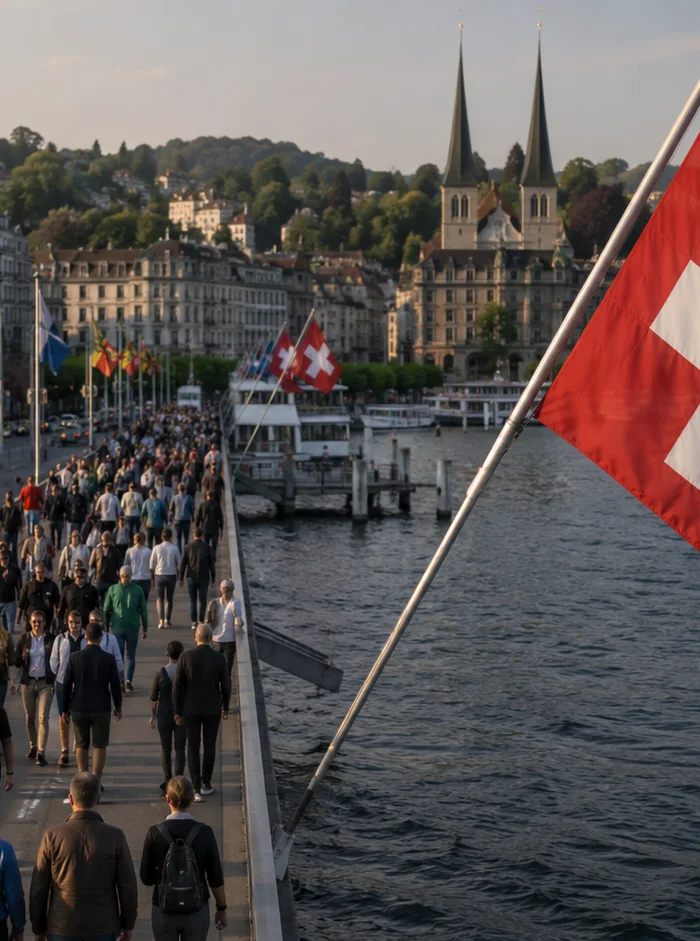
Swiss voters appear poised to reject a controversial referendum aimed at capping the nation's population at 10 million people. A recent opinion poll suggests a majority of respondents oppose the initiative, which seeks to limit the permanent resident population before 2050 and terminate Switzerland's freedom of movement agreement with the European Union.
The proposal, driven by concerns over rapid demographic expansion, has fueled debate regarding its potential effects on the country's infrastructure, economy, and international ties. The final vote is scheduled for June 14, following a period of intense public discussion.
Voter Sentiment and Government Opposition
Between May 19 and May 27, a survey of 19,400 individuals conducted by GFS Bern for public broadcaster SRG revealed approximately 52% oppose the population cap, while 45% support it. This marks a shift from a late April poll that showed an even split among voters, indicating growing opposition as the referendum date approaches.
The Swiss government has actively campaigned against the initiative, warning that its implementation would damage cooperation with the EU, Switzerland's primary trading partner. Such a breach could inflict significant harm on the nation's economy and international standing.
Arguments for and Against the Cap
Supporters of the initiative, primarily the right-wing Swiss People's Party (SVP), argue that uncontrolled immigration places excessive strain on public services. They cite concerns about housing shortages, transportation congestion, and the capacity of educational and healthcare systems to cope with a growing populace, which rose from 7.3 million in 2002 to 9.1 million last year.
Conversely, opponents highlight the economic necessity of skilled foreign workers for Switzerland's industries. They also emphasize the severe legal and economic repercussions of unilaterally ending the freedom of movement agreement with the EU, an action they contend would isolate Switzerland and impede its economic agility.
Economic and Social Implications
The debate extends to environmental protection, with proponents suggesting immigration controls could mitigate the ecological impact of population growth. Additionally, some arguments have linked population control to concerns about crime and social cohesion.
However, the government and opposing factions stress the importance of maintaining strong diplomatic and economic relations with the EU. They argue that a restrictive immigration policy could deter essential talent and investment, thereby undermining Switzerland's long-term prosperity and innovation.
More stories
- Eisenkot secures first coalition deal but lacks majority
- Germans oppose Ukraine aid as poll shows support slipping
- Kim Jong-un receives 10 envoys after constitutional shift
- Ukraine claims Libya strike sinks Russian naval corvette
- COP31 climate talks collapse over fossil fuels and funds
- Russian military faces 1,087 recorded suicides in Ukraine war
- Trump Executive Order Targets AI Model Reporting
- Trump: Iran Deal Draft Includes Clear Nuclear Restrictions
- Trump Rejects Iran Offer to Reopen Hormuz in Sta
- UAE Students Are Heading Back to School After Another Drone Scare
Latest news
- Morocco targets 2030 World Cup final with new stadium bid
- Barclays puts AI bust risk at center of US growth debate
- US inflation reaches 3.8% before December Fed rate meeting
- Türkiye Desk: GTA 6 drains UK mobile spend as Turkish studios feel pressure
- Global stocks fall 0.4% as tariffs and US inflation loom
- CIA hack affects unclassified data; scope remains unclear
- Trump prepares tariffs on China and other major exporters
- New-car buyers pay record average $50,087 in October