

French Presidential Candidate Proposes Radical Economic Shift and Debt Restructuring
Presidential candidate Jean-Luc Mélenchon is campaigning on a platform of debt restructuring, increased social spending, and NATO withdrawal, raising…
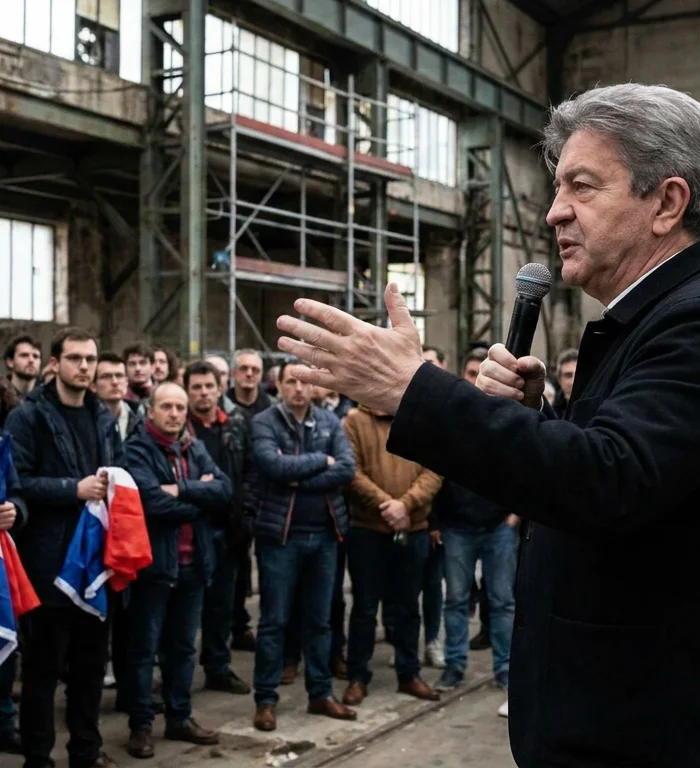
Jean-Luc Mélenchon, leader of the France Unbowed (LFI) party, has emerged as a primary challenger in the upcoming French presidential election, currently polling between 17.5% and 18%. His platform centers on significant state interventionism, including lowering the retirement age to 60 and raising the monthly minimum wage to approximately $1,900. These proposals are gaining traction amid widespread public dissatisfaction with living costs and public service efficacy.
Key elements of Mélenchon’s economic strategy present substantial risks to institutional stability and sovereign credit. He proposes renationalizing key economic sectors and unilaterally converting debt owed to the European Central Bank into permanent, interest-free loans. Furthermore, he advocates for a confrontational approach toward European Union regulations, signaling a potential shift in France’s commitment to existing fiscal and legal frameworks.
While Mélenchon intends to fund his agenda through
Financial analysts and government officials have expressed concern regarding the feasibility of these policies, noting that France’s current budget deficit and debt levels leave little room for such expansionary spending. Critics warn that the proposed debt restructuring could trigger a sell-off of French government bonds, significantly increasing sovereign borrowing costs. While Mélenchon intends to fund his agenda through increased taxation on corporations and high-net-worth individuals, the potential for capital flight remains a primary concern for market participants.
Beyond domestic fiscal policy, Mélenchon’s platform includes a proposal to withdraw France from NATO, which would represent a major realignment of European security architecture. His political strategy relies on consolidating the left-wing vote, though he faces resistance from moderate factions within the bloc. As the election approaches, his ability to maintain momentum will depend on his capacity to balance populist appeal with the economic realities of the French state and its international obligations.
More stories
- Germans oppose Ukraine aid as poll shows support slipping
- Kim Jong-un receives 10 envoys after constitutional shift
- Ukraine claims Libya strike sinks Russian naval corvette
- COP31 climate talks collapse over fossil fuels and funds
- Russian military faces 1,087 recorded suicides in Ukraine war
- US faces China, Russia in Africa minerals contest
- Saudi officials report Aramco tower damage after attack
- Saudi officials report Aramco tower damage after attack
- Deadlock hits Israel election as coalition math tightens
- Ethiopia church reports 60 deaths in two Oromiya attacks
Latest news
- Trump prepares tariffs on China and other major exporters
- New-car buyers pay record average $50,087 in October
- Banks face ECB reserve debate over liquidity and profits
- Investors see Anthropic debut gains fade below $83 a share
- Iraq orders federal control over Kurdish-area oilfields
- Nvidia shares retreat as AI rally cools before PCE data
- Macy’s parade faces balloon limits as storm winds approach