

Russia Integrates Military Veterans into Civil Service and Governance
Russia is integrating military veterans into government and civil service roles through fast-track programs and legislative changes to ensure long-term…
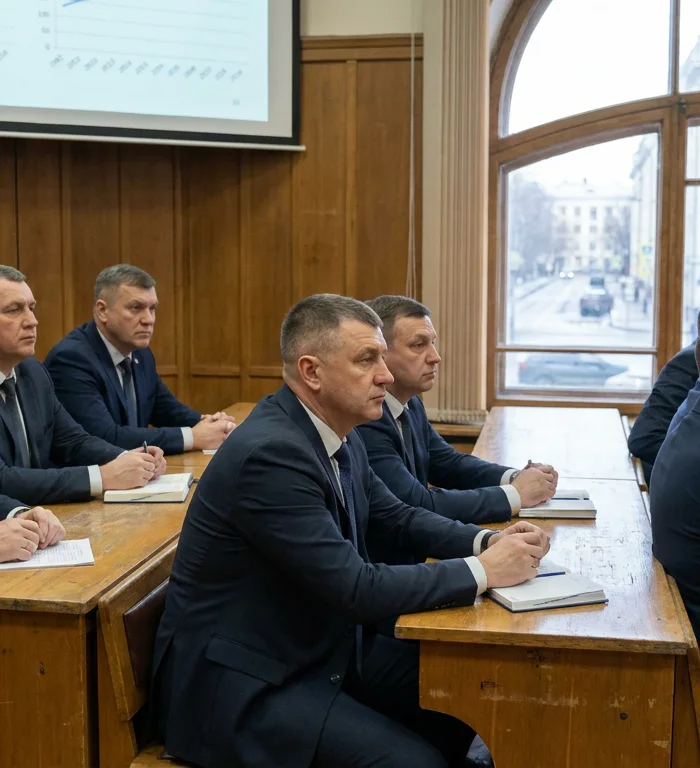
The Russian government is formalizing a policy to transition military personnel from the conflict in Ukraine into positions within the state bureaucracy, legislature, and regional administration. This initiative, centered on the "Time of Heroes" program, facilitates the entry of veterans into government roles by bypassing traditional academic requirements. Participants receive specialized training at the Presidential Academy, with combat experience serving as a primary qualification for advancement.
Legislative efforts are currently underway to codify military service as equivalent to municipal government experience. Proposed regulations would allow veterans to qualify for higher-ranking civil service positions, salary bonuses, and extended leave based on their time in the military. This institutional shift follows recent election cycles where candidates identified as veterans secured over 10 percent of parliamentary seats, with a significant majority affiliated with the ruling United Russia party.
Financial incentives for military recruitment remain substantial, with signing bonuses in some regions reaching approximately $50,000, supplemented by monthly compensation of roughly $2,500. By linking military service to long-term career prospects in state-backed entities and government offices, the administration is embedding the conflict into institutional framework. This strategy serves to incentivize recruitment while ensuring that the emerging political class remains directly beholden to the Kremlin for their professional advancement.
Despite the high volume of applicants—exceeding 44,000 in the initial round—the number of available positions remains limited. Analysts suggest that the program functions primarily as a political mechanism to consolidate control over the administrative apparatus. While the program provides a pathway for veterans, many of those currently occupying high-level political roles are established insiders using veteran status to bolster their credentials. The long-term impact of this policy will be the creation of a permanent bureaucratic layer whose professional legitimacy is inextricably tied to the state’s military objectives.
More stories
- Germans oppose Ukraine aid as poll shows support slipping
- Kim Jong-un receives 10 envoys after constitutional shift
- Ukraine claims Libya strike sinks Russian naval corvette
- COP31 climate talks collapse over fossil fuels and funds
- Russian military faces 1,087 recorded suicides in Ukraine war
- US faces China, Russia in Africa minerals contest
- Bundeswehr faces misconduct gap as few as one-sixth reported
- Megaspeed’s 2024 affiliate filings widen Nvidia chip scrutiny
- Ukraine rescuers search shelter after 31 reported deaths
- Trump says Israel aid ends this year, arms sales continue
Latest news
- Trump prepares tariffs on China and other major exporters
- New-car buyers pay record average $50,087 in October
- Banks face ECB reserve debate over liquidity and profits
- Investors see Anthropic debut gains fade below $83 a share
- Iraq orders federal control over Kurdish-area oilfields
- Nvidia shares retreat as AI rally cools before PCE data
- Macy’s parade faces balloon limits as storm winds approach