

Oil prices slide to $110 on renewed US-Iran diplomacy
Brent crude dropped over 6% as markets reacted to potential diplomatic breakthroughs that could increase Iranian oil supply.
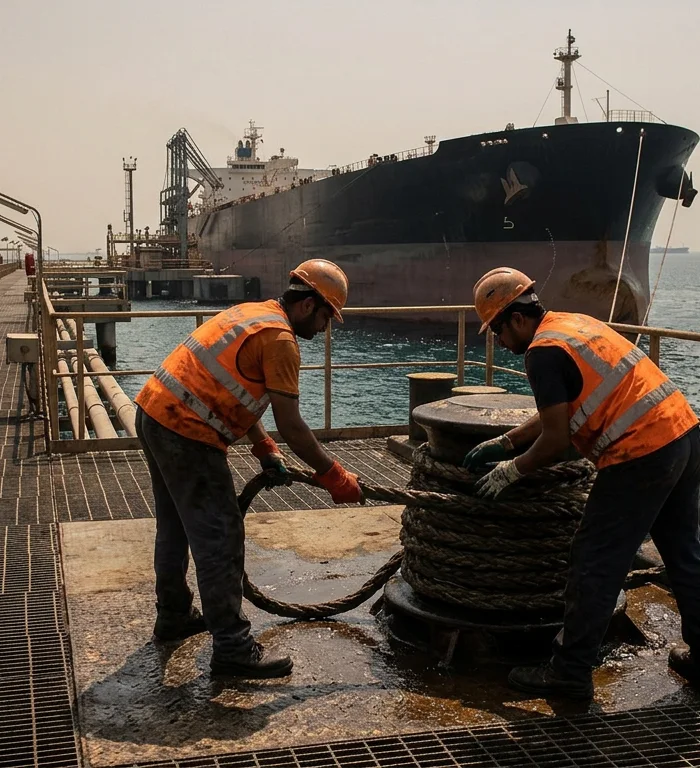
Market response to diplomatic signals
Global oil prices weakened early Monday, with Brent crude sliding to $110 a barrel following reports of potential diplomatic progress between Washington and Tehran. The decline represented a sharp reversal from the $118 peak recorded last Friday, as traders began pricing in the prospect of increased Iranian supply reaching the global market.
Historical supply dynamics
For years, negotiations surrounding Iran’s nuclear program have acted as a primary lever for energy price volatility. Whenever the prospect of a restored Joint Comprehensive Plan of Action (JCPOA) appears on the horizon, markets typically adjust for the potential return of millions of barrels of sanctioned Iranian oil. This historical sensitivity persists because Iran currently maintains significant, albeit contested, volumes of floating storage that could be redirected to global buyers if sanctions were eased.
Fiscal pressures for GCC exporters
Regional energy producers, particularly the Gulf Cooperation Council (GCC) states, operate on varying fiscal break-even price points to maintain their national development budgets and ambitious diversification programs like Saudi Vision 2030. A sustained move toward $100 per barrel forces these administrations to navigate tighter revenue margins while balancing internal infrastructure spending. For these exporters, the primary risk is not just the volume of additional supply, but the potential disruption to the production quotas managed by OPEC+.
Sector impact and global spillovers
Should Iranian volumes re-enter the market at scale, the resulting supply surplus would challenge the current pricing floor established by OPEC+ output cuts. Beyond the immediate sector impact, major shipping lanes remain a critical monitor. Any volatility in energy pricing often ripples through maritime insurance and logistics costs, particularly for transit through the Strait of Hormuz, which remains the global economy's most sensitive energy chokepoint.
Plausible paths forward
Investors are now tracking formal communications from the US State Department and the Iranian Foreign Ministry. If formal JCPOA-style negotiations resume by September 30, 2024, the market will likely continue to discount the risk premium on current pricing in anticipation of supply waivers. Conversely, if regional proxy hostilities escalate, supply-side concerns will likely override diplomatic developments, forcing energy prices back toward previous peaks.
More stories
- Germans oppose Ukraine aid as poll shows support slipping
- Kim Jong-un receives 10 envoys after constitutional shift
- Ukraine claims Libya strike sinks Russian naval corvette
- COP31 climate talks collapse over fossil fuels and funds
- Russian military faces 1,087 recorded suicides in Ukraine war
- US faces China, Russia in Africa minerals contest
- Nigerian banks lift prime rates in 8 sectors despite CBN cuts
- Bulgaria vote gives Yotova victory in preliminary count
- Ethiopia church reports 60 deaths in two Oromiya attacks
- UN inquiry finds Ukraine grid attacks amount to war crimes
Latest news
- Trump prepares tariffs on China and other major exporters
- New-car buyers pay record average $50,087 in October
- Banks face ECB reserve debate over liquidity and profits
- Investors see Anthropic debut gains fade below $83 a share
- Iraq orders federal control over Kurdish-area oilfields
- Nvidia shares retreat as AI rally cools before PCE data
- Macy’s parade faces balloon limits as storm winds approach