

Oil companies face EU tax calls over Iran-linked margins
Greenpeace Germany-commissioned research estimates extra EU petrol and diesel margins at €36 billion as governments weigh relief for households facing higher…
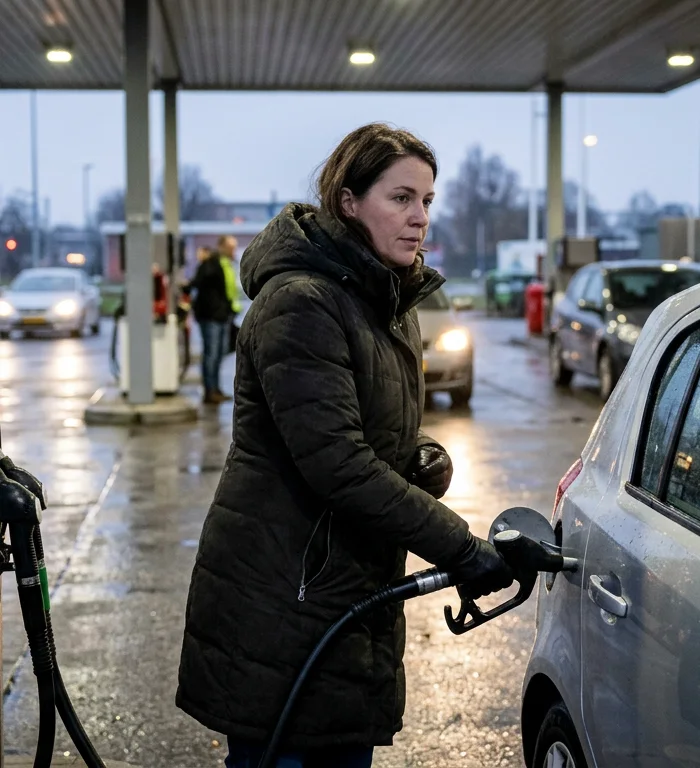
Oil companies made €36 billion in extra margins on EU petrol and diesel sales from March 1 through Oct. 19, according to a Greenpeace Germany-commissioned report published by Euronews on Nov. 5.
The estimate matters because EU governments are looking for ways to cut energy bills after the US-Iran conflict began on Feb. 28, while Greenpeace put the gain at €154.4 million a day.
Greenpeace based its calculation on the gap between crude oil prices and net fuel prices, according to the Euronews report. Diesel accounted for €28.2 billion of the additional margins, while petrol contributed almost €7.8 billion.
EU energy ministers discussed measures to reduce bills on Oct. 29, Euronews reported, but did not agree on an EU-wide tax on so-called windfall or super profits. The report said member states are calling for such a levy, while the oil industry rejects the view that it is profiting at consumers’ expense.
Noah Gordon, senior policy fellow at the European Council on Foreign Relations, pointed to Europe’s structural exposure to fossil fuels. “Oil, gas and coal make up nearly 60% of total final energy consumption in the EU”, he said, according to Euronews.
The industry’s counterargument, as reported by Euronews, is that higher revenue reflects higher crude prices being passed through to consumers. Gordon said part of the pressure comes from limited refining capacity, saying the crack spread — the gap between crude oil and refined fuels such as diesel or petrol — “has tripled in Europe since the start of the Hormuz crisis”.
Greenpeace said crude prices did not account for all of the increase. According to the report, EU pre-tax diesel prices rose 22.7 cents a litre more than crude prices, while petrol prices rose 13.3 cents a litre more. Greenpeace said it found no significant increase in other refining, production or distribution costs.
The largest fuel markets generated the biggest aggregate margins. Germany recorded just under €6.7 billion, followed by France at €5.7 billion, Italy at almost €5.1 billion and Spain at more than €4.7 billion, according to the report.
Company earnings have also drawn attention. Euronews cited Shell third-quarter 2026 gains of $10.81 billion, above a $10.33 billion estimate and nearly double $5.43 billion in 2025; TotalEnergies adjusted net income of $9.1 billion, above an $8.3 billion estimate; and BP net income of $8.46 billion, its highest third-quarter figure since 2008.
Government price controls appear to have limited margins in some markets, according to Matteo Prina, research group leader at Eurac Research. “What mattered most was whether the government set the pump price. In countries with fixed or capped prices (Malta, Hungary, Slovakia, Slovenia, Croatia), diesel before tax went up on average by €0.38 per litre, compared with €0.57 elsewhere”, he said.
Source: news report, Euronews, Nov. 5, 2026
More stories
- Emirates profit falls 66% as fuel costs rise
- Repeated bomb threats disrupt flights across Europe again
- Arctic route saves South Korean ships at least 10 days to Europe
- Tinubu seeks $7.7bn external loan for Nigeria deficit
- Singapore links 4 aid groups to strengthen Gaza relief
- Israel coalition talks loom as rivals fall short of power
- Lavrov urges Lebanon ceasefire after talks with minister
- Saudi airport attack kills 13, strains missile defenses
Latest news
- Democrats win Congress as household costs test new power
- DoorDash curbs Instacart LinkedIn ties during $17bn review
- Brent crude rebounds as chip shares extend their retreat
- NRDC accuses Trump administration of 500 cancer-protection rollbacks
- Channel 4 ends 10-year Married at First Sight UK run
- French MPs reject 2027 budget revenue plan 458-0