

Nvidia Evaluates Retrofitting Telecom Infrastructure for AI Inference Capacity
Nvidia is considering converting over 130 telecom properties into regional AI inference centers to bypass construction delays and leverage existing…
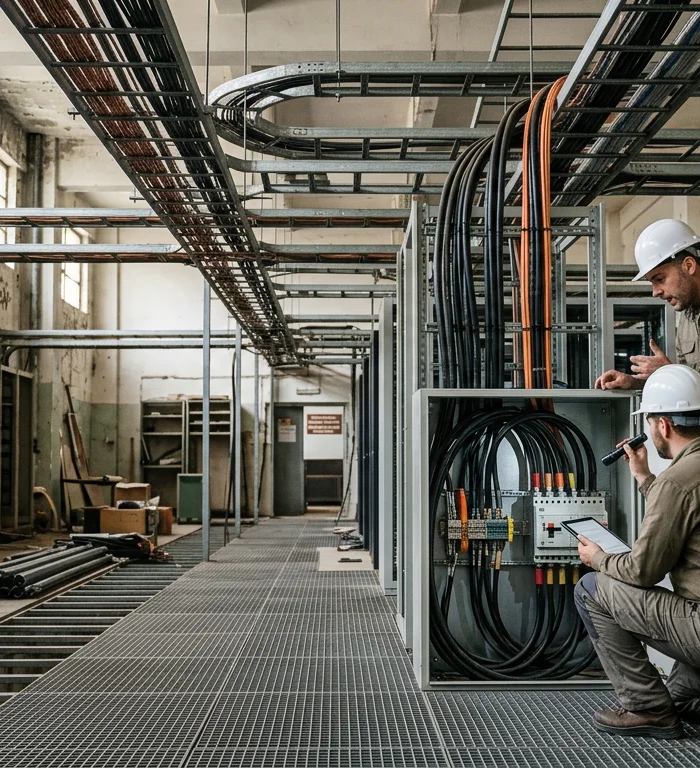
Nvidia is exploring a strategy to repurpose over 130 existing telecommunications properties into regional AI data centers. The initiative involves potential collaboration with Apollo Global Management and broadband operator Brightspeed, which currently holds a portfolio of facilities across 20 U.S. states. These sites collectively offer approximately 1 gigawatt of electrical capacity, which the company intends to utilize for deploying its next-generation Vera Rubin hardware.
This approach aims to bypass the regulatory and logistical hurdles associated with greenfield data center construction. By retrofitting existing infrastructure, the company seeks to establish an inference network—computing sites dedicated to running pre-trained models rather than initial model training. This decentralized model is intended to provide cloud operators and AI developers with increased proximity to end-users and existing network backbones.
Despite the potential for accelerated deployment, the strategy faces significant operational and financial risks. Industry analysts note that aging telecom facilities may require substantial capital expenditure for cooling and electrical upgrades, potentially leading to higher long-term operating costs compared to modern, purpose-built campuses. Furthermore, the commercial structure of the arrangement remains unconfirmed, as does the ownership model for the hardware and the identity of potential anchor tenants.
Political and regulatory scrutiny regarding data center energy consumption continues to intensify, with some jurisdictions considering temporary development restrictions. While retrofitting may mitigate some planning opposition, local approvals for infrastructure upgrades remain a prerequisite. The company reportedly aims to initiate renovations by the first quarter of 2027. This expansion effort coincides with increased market volatility for semiconductor equities, as investors weigh regulatory uncertainty against the sustained demand for AI-specific computing infrastructure.
More stories
- Deal Sheet: Fortis shutdown costs over 400 jobs
- The Week in Games: GTA 6 turns attention into cash
- US data centres emit 25.7m tonnes of CO2, Harvard says
- German founders need 3,942 hours to open small business
- Leaked Deutsche Bank files test Sewing's reform narrative
- UAE employers plan 2.8% pay rises for 2027
- American Airlines puts premium products near half ticket revenue
- Wheaton revenue rises 62% on higher precious-metals prices
- Malaysia EMS growth tied to China-plus shift, press release says
- Dangote refinery IPO aims to raise $1.6bn, with 87% control retained
Latest news
- Trump prepares tariffs on China and other major exporters
- New-car buyers pay record average $50,087 in October
- Banks face ECB reserve debate over liquidity and profits
- Investors see Anthropic debut gains fade below $83 a share
- Iraq orders federal control over Kurdish-area oilfields
- Germans oppose Ukraine aid as poll shows support slipping
- Kim Jong-un receives 10 envoys after constitutional shift
- Ukraine claims Libya strike sinks Russian naval corvette