Dangote refinery IPO aims to raise $1.6bn, with 87% control retained
Aliko Dangote plans to open his Nigerian refinery to public investors in a $1.6bn IPO, retaining 87% control at a $49bn valuation.
Hannah Vogel ·
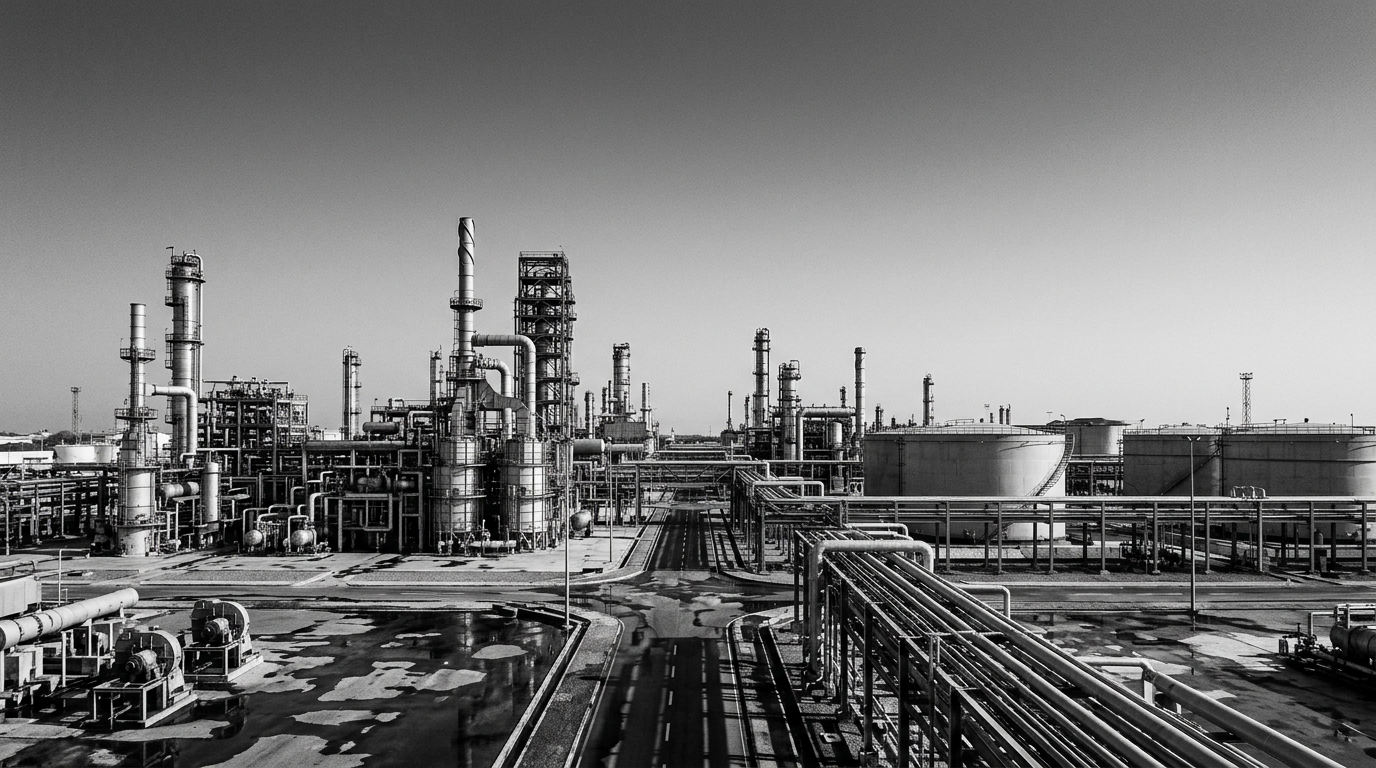
In an Associated Press report published Sept. 14, Aliko Dangote is said to be opening a portion of his Lagos-based refinery to public ownership in what AP bills as Africa’s biggest initial public offering, aiming to raise $1.6bn from retail investors across the continent. The outlet reports that 4.1bn shares will be offered and that Dangote will retain about 87% ownership at a post-IPO valuation of $49bn. AP also frames the refinery’s 2024 start of production as transforming Nigeria’s energy position, while noting critics who question the valuation and the high ownership retention. No one in the reported packet is on the record. [S1]
The float is small and the valuation big; the math needs a prospectus
AP’s report contains three load-bearing numbers: $1.6bn targeted proceeds, an 87% retained stake, and a headline $49bn valuation. Taken together, they raise basic questions about structure. A 13% free float on a $49bn valuation implies roughly $6bn worth of publicly tradable equity at indicated pricing, yet the reported capital raise is $1.6bn. That arithmetic can be reconciled in several ways — for example, if only a subset of the float is newly issued primary shares and the balance consists of existing shares made eligible for trading, or if the valuation reference is indicative rather than derived from the offer price — but the point stands: without a filed prospectus detailing primary versus secondary shares and pricing, investors cannot properly price the risk. For operators reading this as a signal about working capital and fuel procurement, the distinction matters: $1.6bn in fresh capital is a very different balance-sheet outcome than a largely secondary sale that mainly enables trading liquidity. [S1]
A retail-led offer changes trading dynamics and governance leverage
AP says the offer is aimed at retail investors across the continent. A widely distributed retail book can be a strength for public profile, but it also tends to mean thinner block liquidity, greater first-week volatility, and less negotiating leverage from long-only institutions on governance terms. If the free float is as limited as the 87% retention figure suggests, board and related-party oversight will overwhelmingly remain an insider matter, with public shareholders holding a voice but not a veto. That is not inherently negative for execution — capital-intensive energy assets often benefit from decisive control — but it does reframe the IPO as a listing event for liquidity rather than a handover of control. For corporate counterparties, that signals counterparty stability; for equity investors, it means price discovery will be driven by a small float and retail sentiment. [S1]
For fuel buyers, local refining shifts FX and credit risk more than price, at least initially
AP’s framing emphasizes the refinery’s role in changing Nigeria’s trade position following its 2024 start of production. For downstream buyers — distributors, industrials, and transport fleets — the immediate commercial shift is not simply “cheaper fuel,” but a reweighting of risks. Import-heavy supply chains expose buyers to dollar funding and shipping bottlenecks. A dominant local refinery can reduce FX pass-through and logistics risk but may replace it with counterparty concentration and stricter payment terms as the operator optimizes cash flow post-IPO. If the raise is primarily a liquidity event rather than balance-sheet expansion, expect a sharper focus on receivables, prepayment, and credit insurance in offtake contracts. Procurement chiefs should anticipate contract term standardization and less flexibility on DSO as a newly public issuer manages working-capital optics. These shifts are consistent with large, controlled listings where external equity is a minority slice and capital discipline is signaled to the market. [S1]
Concentrated control can accelerate execution — and dampen price discovery
An 87% retained stake, as AP reports, means strategy, capex sequencing, and pricing decisions will remain centralized. In a capital project transitioning to steady-state operations, that can be beneficial for throughput ramp and unit economics. The trade-off is in market signals: with a small float and retail-heavy ownership, the share price may reflect sentiment and liquidity conditions as much as fundamentals, at least until a deeper institutional holder base forms. If downstream distributors and large industrial buyers are benchmarking counterparty risk off the equity market, they will need to discount early trading noise and focus on filed financials once available. In practice, that may mean credit committees giving more weight to contract performance and inventories than to a volatile early share price. [S1]
The skeptics have a point on valuation; here’s what would settle it
AP notes that some critics question both the $49bn post-IPO valuation and the retention level. Without an audited baseline of throughput, realized crack spreads, and a clear split between primary proceeds and secondary liquidity, a top-down valuation claim remains just that: a claim. The quickest way to reduce the skepticism is a detailed offer document with: the mechanics behind the $49bn figure (implied offer price and share count), the use of proceeds corresponding to the $1.6bn raise, any lock-ups on insider holdings that would cap near-term float, and the allocation mix between retail and institutional tranches. Those disclosures would let investors underwrite not only earnings power but also governance and float dynamics — the elements that drive valuation durability in practice. Until then, the counter-read will linger: that this is a tightly controlled float with an ambitious headline number designed to anchor expectations. [S1]
Why this is a financing story for distributors and corporate fleets, not just an equity event
If AP’s numbers hold, the issuer is raising a relatively modest primary sum against a very large enterprise value. For companies that buy fuel in Nigeria and the region, that combination implies a focus on cash conversion by the supplier rather than balance-sheet-driven expansion. Expect more standardized offtake agreements, tighter credit windows, and possibly incentives for early payment or prepayment as the refinery optimizes working capital in the quarters after listing. CFOs at distributors should model scenarios where FX exposure falls but working-capital needs rise as payment terms shorten. If the IPO builds enough liquidity to reduce financing costs for the issuer, that could flow through to more stable supply — but the initial quarters post-listing are the period when treasury policies are tested in public. Buyers should also watch for any public disclosures of inventory levels and maintenance cadence; these will influence allocation and spot availability more tangibly than a headline valuation ever could. [S1]
The unanswered denominator, and the six-week signals that will clarify it
AP’s report is, so far, single-source — the Associated Press, without accompanying filings cited. That makes the denominator — shares outstanding, the primary versus secondary split, and the exact basis for the $49bn figure — the crucial omission. In the next six weeks, the observable signals are straightforward: a published prospectus that reconciles the $1.6bn proceeds with the float percentage; the presence (or absence) of lock-up agreements that limit insider sales; the allocation mix indicating how much of the book is truly retail; and first-week trading volume relative to free float, which will tell us how tight the market will be. If these break toward a larger primary raise and tighter lock-ups than implied, the valuation skepticism will ease. If not, the market will price the control premium — and the liquidity discount — accordingly. [S1]