Novo Nordisk targets Eli Lilly ads in obesity drug fight
Novo Nordisk sued Eli Lilly over weight-loss drug advertising, alleging outdated comparisons as the companies battle for US obesity-drug patients.
Atlas Newsdesk ·
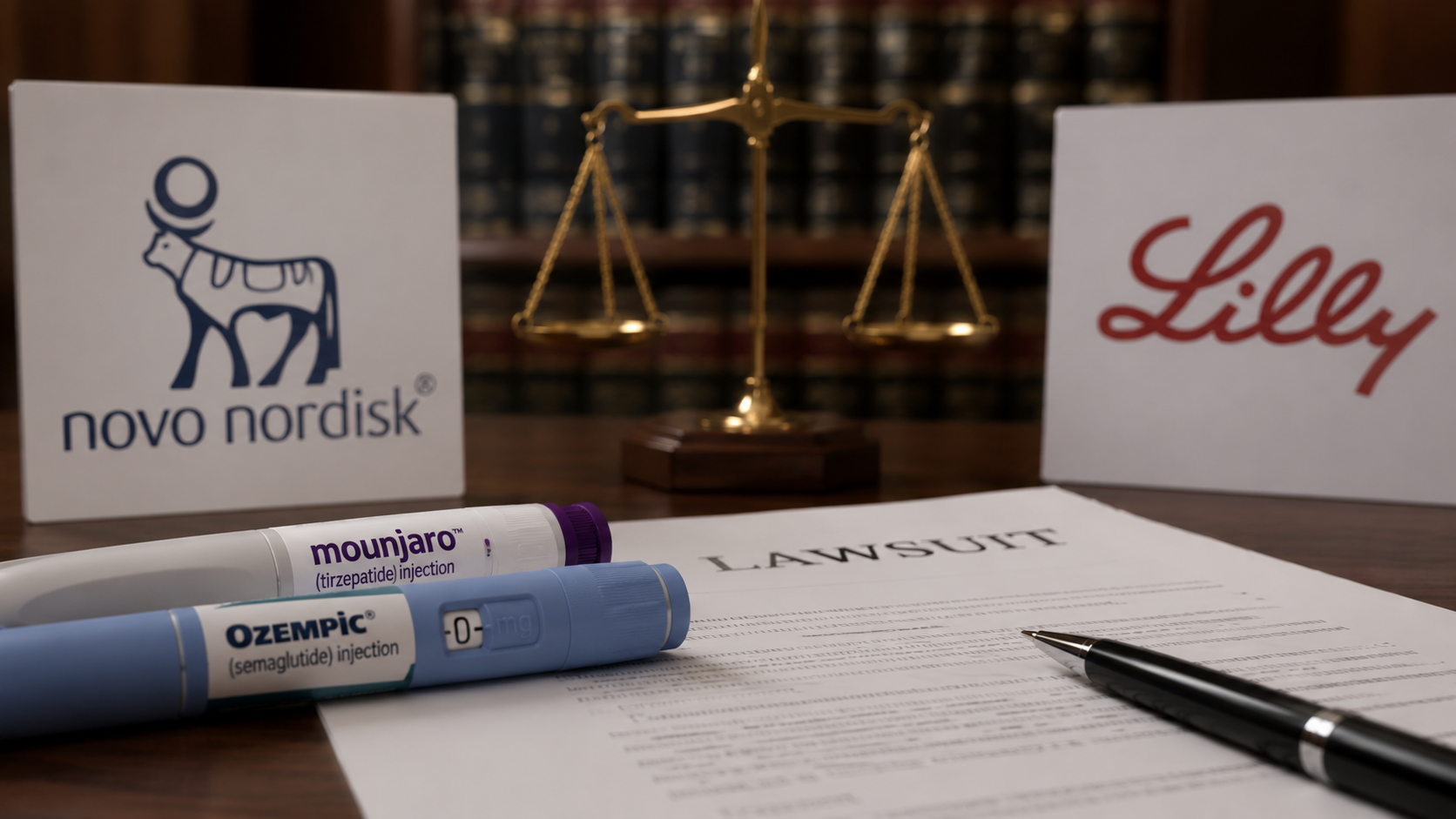
Novo Nordisk sued Eli Lilly over weight-loss drug ads, alleging outdated comparisons in a fight for the US market.
Ads become the battleground
The lawsuit, filed Tuesday, accuses Eli Lilly of using misleading advertising tied to weight-loss results. Novo Nordisk alleges the US company relied on older comparative claims about how much weight patients may lose on competing medicines.
The case adds a legal front to one of the pharmaceutical industry’s most closely watched commercial contests. Novo Nordisk sells Ozempic and Wegovy, while Eli Lilly has become a central rival in the fast-expanding obesity-treatment market.
Novo’s argument is not that advertising alone decides the market. Its claim is narrower: if consumers or prescribers see comparisons built on stale data, the commercial message may distort how the medicines are judged.
A US rivalry turns legal
The dispute lands as Novo Nordisk tries to defend its position in a category it helped create. The company has already taken legal action against Hims & Hers earlier this year over what it described as a copycat version of Wegovy.
Those cases point to a broader strategy: protect the brand, challenge rivals’ claims and limit alternatives that Novo says trade on its medicines’ reputation. The latest lawsuit is different because it targets a direct competitor’s marketing rather than a copycat product.
For Eli Lilly, the immediate risk is not only legal cost. If the court accepts Novo’s argument, Lilly could face pressure to alter or withdraw advertising that compares patient weight-loss outcomes.
Prescription ad rules split markets
The fight is also shaped by a feature of the US market that many countries do not allow. Direct commercials for prescription-only medicines are banned in most jurisdictions, making the American advertising arena unusually important for drugmakers.
In the UK, companies promote disease awareness without naming a specific prescription medicine. That approach lets a drugmaker build recognition around obesity or diabetes treatment categories, but it avoids a direct product pitch.
The difference matters because advertising can influence which products patients ask about and which treatments doctors discuss. In a crowded market, even the framing of a comparison can become commercially valuable.
The wider industry will watch whether the case changes how obesity-drug makers describe clinical performance in public campaigns. If legal pressure rises, companies may lean more heavily on brand education, physician outreach and carefully sourced data rather than head-to-head promotional claims.
At the company level, Novo has a clear incentive to challenge any message it believes weakens Wegovy’s position. Lilly, in turn, has an incentive to defend marketing that supports its own growth in the same patient pool.
The macro effect is indirect, but the channel is clear. If advertising disputes raise compliance costs or slow patient conversion, the commercial rollout of obesity drugs could become more expensive, affecting health insurers, pharmacy-benefit managers and national debates over access.
Several outcomes are possible. If Novo wins or secures changes to Lilly’s advertising, the result could tighten promotional standards across obesity medicines and give Novo a defensive win in the US.
If Lilly defeats the claim, rivals may feel more room to make aggressive comparative arguments, provided they can defend the underlying data. If the companies settle, the most likely consequence would be narrower advertising language without a broader court ruling.
The main uncertainty is what evidence the court will see about the ads, the data behind them and how consumers interpreted the claims. Until those details are public, the case is best read as a marker of how valuable the US obesity-drug market has become, rather than proof that either company’s medicine is superior.