Tadawul draws Gulf’s only foreign inflow in second quarter
Tadawul attracted $1.6 billion in second-quarter foreign buying as Saudi Arabia outpaced Gulf peers after opening access to overseas investors.
Atlas Newsdesk ·
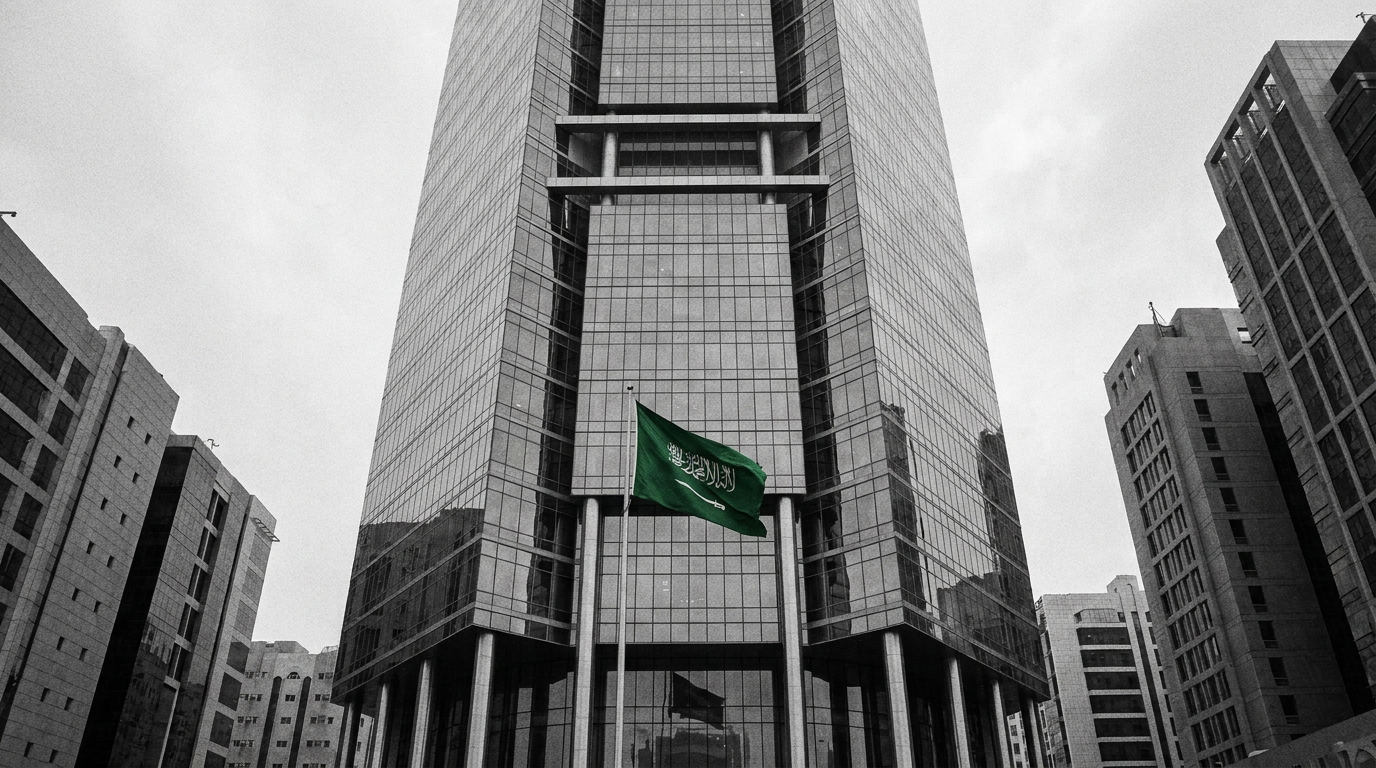
Tadawul drew $1.6 billion in net foreign buying in the second quarter, making Saudi Arabia the Gulf’s only market with an inflow.
The figure came from Kamco Invest’s latest trading activity report, which showed Saudi Arabia separating from regional peers at a tense moment for Gulf markets. Foreign demand matters because cross-border flows can deepen liquidity, widen the investor base and affect how global funds treat the kingdom’s listed companies.
February opening changes demand
The main policy shift came on Feb. 1, when Saudi Arabia opened its stock market to all foreign investors, according to the report. Kamco Invest said that change helped push overseas net buying in the first half of 2026 up 75% from a year earlier.
The timing gave investors a clearer route into the region’s largest listed market by domestic profile, even as other Gulf exchanges struggled to attract net foreign demand. The report did not break down the $1.6 billion by investor type, so the balance between passive funds, institutions and other foreign buyers remains an open question.
49% limit becomes the test
The next policy marker is foreign ownership. Saudi Arabia’s market regulator has promised to remove foreign ownership restrictions, which the source said are now set at 49%.
A higher ceiling could change how much capital some overseas funds are able to deploy in individual Saudi names. The mechanism is straightforward: if ownership room expands, investors with mandates tied to liquidity, index weightings or internal exposure limits may have more capacity to buy.
The effect would not be automatic. If the rule change is delayed, narrowed or applied unevenly, investors may wait for clearer implementation before adding exposure beyond the recent inflow.
Three paths for Tadawul flows
The report also framed Saudi Arabia as having absorbed the US-Iran war with less strain than many Gulf countries, while noting that the kingdom’s economy is still expected to grow this year. That mix helps explain why Tadawul attracted money while other regional markets did not, though the report did not provide a separate growth estimate.
If the February opening continues to translate into steady access and the ownership cap is lifted as promised, the global macro effect would be a stronger channel for international capital into Saudi assets. For Tadawul, that could mean deeper trading and a broader shareholder base; for Gulf exchanges, it could intensify competition for foreign allocations.
If geopolitical risk rises again or the ownership change stalls, the mechanism would run the other way. Global investors could reduce regional risk budgets, Tadawul’s recent advantage could narrow, and Gulf markets may remain more dependent on local liquidity than on cross-border demand.
A third path is a slower normalization, where foreign buying stays positive but does not accelerate until investors see the exact rulebook. In that case, the macro signal would be more cautious than transformative, Tadawul would retain its lead without a sharp rerating, and the wider Gulf sector would watch Saudi reforms as the benchmark for market access.