Gold drop tests haven trade as Fed and oil risks rise again
Gold has fallen 22% since the Iran war began, but central-bank demand and Fed uncertainty keep its portfolio role contested.
Omar Farouk ·
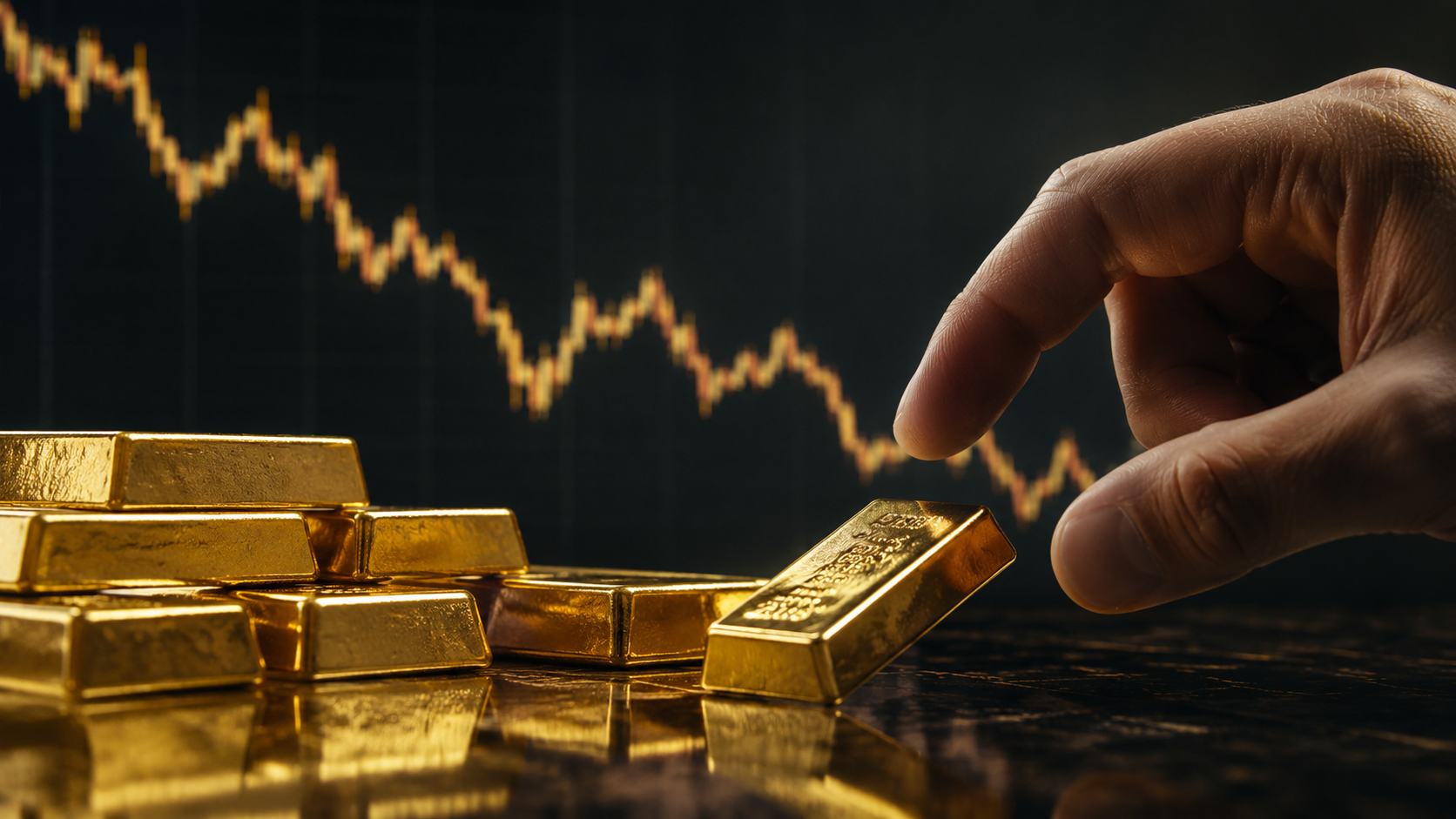
Gold prices have dropped 22% since the Iran war began on Feb. 28, but central-bank demand and Fed uncertainty keep the hedge debate alive.
The slide has interrupted a yearslong advance in bullion and raised a harder question for investors: whether the metal still protects portfolios when war feeds inflation pressure. The answer depends less on the conflict itself than on how central banks, especially the Federal Reserve, respond to it.
Iran shock reverses gold rally
Gold is often treated as insurance against instability, currency risk and inflation. The latest move has cut against that playbook because investors appear focused on the interest-rate channel rather than the geopolitical shock alone.
If war-driven energy costs push inflation higher, the Fed may be forced to tighten policy. Gold offers no coupon or dividend, so higher cash yields can make bullion less attractive, especially when inflation-adjusted interest rates rise.
Giovanni Staunovo, a commodities strategist at the UBS Chief Investment Office, has linked gold’s strongest periods to falling real rates. That relationship helps explain why a crisis can hurt gold if traders decide the policy response will make cash more rewarding.
Turkey sale exposes reserve liquidity
Official-sector selling has added another pressure point. Market speculation has centered on Middle Eastern central banks using gold to raise liquidity during the conflict, although the only confirmed sale cited in the source material was by Turkey.
The World Gold Council said Turkey’s central bank sold 81 metric tons of gold in the first half of this year. The source material valued that amount at $10.6 billion using current prices.
That sale is not a simple argument against gold. If a central bank can turn bullion into cash during a crisis, the episode also shows why gold remains useful as a reserve asset, even when selling weighs on prices in the short run.
Central banks keep buying bullion
The broader official-sector trend still favors gold. World Gold Council data cited in the source material show central-bank purchases have been elevated since Russia’s 2022 invasion of Ukraine, as governments sought alternatives to the U.S. dollar and ways to reduce sanctions exposure.
The buying has not been confined to Russia or China. Poland was the largest net purchaser in the first half of the year, according to the Council, pointing to wider concern among reserve managers about geopolitical risk.
The recent decline also looks different when measured over a full year. Gold’s 12-month gain was 21%, slightly ahead of the S&P 500 in the cited data, even after the 22% fall since the Iran conflict began.
Fed signals set three tracks
The near-term path turns on oil, inflation and Fed policy. CME FedWatch pricing cited in the source material put the odds of a rate increase by September at around 50%, a sign that markets have not settled on one rate path.
If oil prices keep rising and the Fed raises rates, global financial conditions would tighten through higher real yields and stronger returns on cash. Gold would face more valuation pressure, while the wider precious-metals market could see weaker investment demand and more caution from futures traders.
If inflation fears ease and rates stabilize or fall, the mechanism shifts in gold’s favor. Lower real yields would reduce the opportunity cost of holding bullion, giving long-term holders and central banks more room to rebuild positions without fighting the rate market.
A third path is more mixed: if conflict escalates and some central banks sell gold for liquidity, extra supply could cap rebounds. At the same time, the ability to liquidate reserves in stress would strengthen the case for gold as part of national reserve portfolios.
The key open questions are whether oil keeps climbing, whether Fed officials translate inflation concerns into action, and whether official-sector gold flows remain net positive. For investors, the issue is no longer whether gold can fall during a crisis; it is whether the rate shock outweighs its reserve and hedge functions.