White House weighs Jones Act waiver extension
Officials are considering another temporary waiver to let foreign vessels carry goods between U.S. ports as renewed Iran tensions lift energy shipping costs.
Mateo Fernandez ·
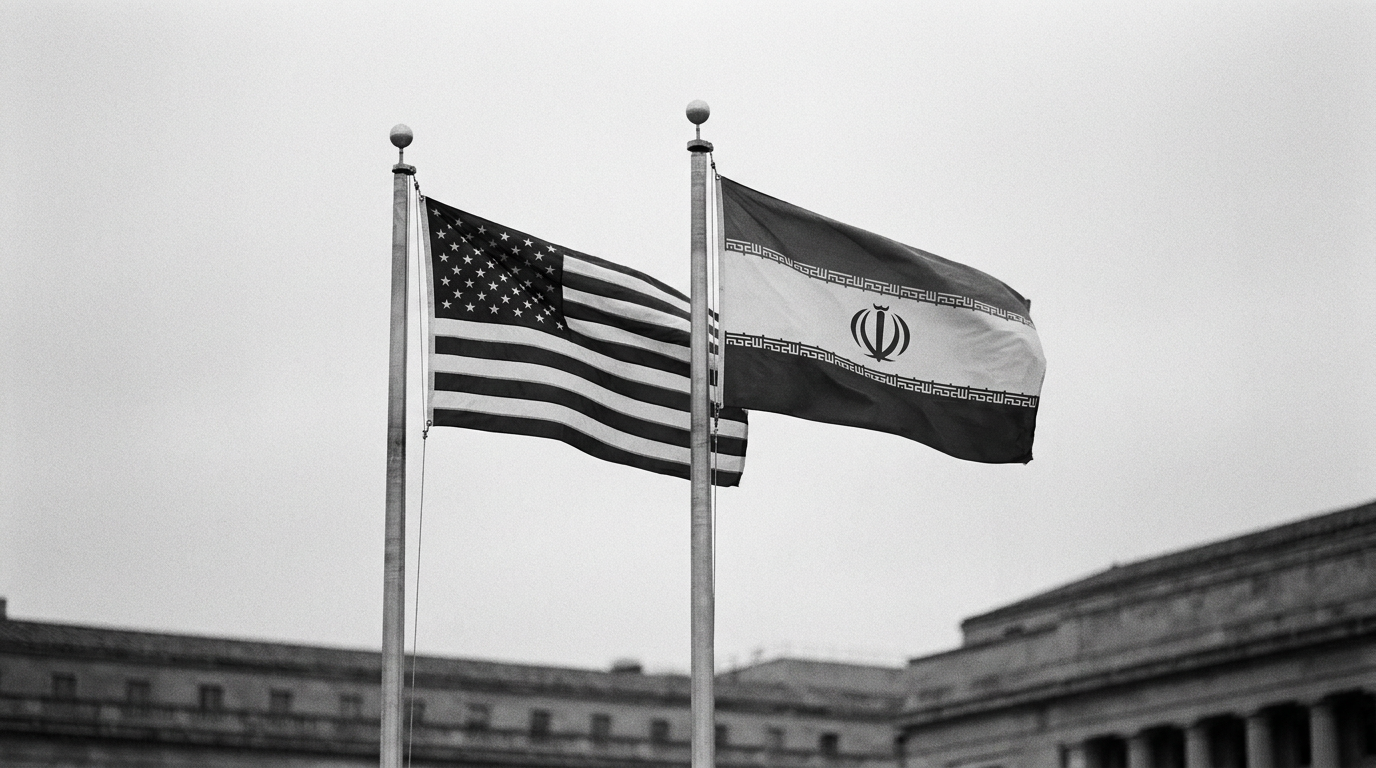
Officials said the White House on July 15 is considering an extension of temporary waivers to the Jones Act that would allow foreign-flagged ships to carry cargo between U.S. ports as renewed conflict with Iran raises concerns about energy supply and shipping costs. Reaction pending.
Jones Act shipping costs
Officials said waivers have been used in previous supply disruptions to ease freight bottlenecks and lower inland fuel transport costs by widening the pool of available vessels. The administration framed the move as a short-term operational step tied to energy security, not a permanent change to maritime law. Data showed prior waivers reduced delivery delays in specific coastal routes, officials added.
Officials said extending waivers would most directly affect refined fuel movements along the U.S. Gulf and East coasts, where domestic short-haul tanker capacity is tight. Energy traders and fuel distributors could see narrower regional price spreads if foreign ships lower transport premiums; refiners that rely on coastwise shipping may face altered logistics costs.
Officials said the decision balances near-term price relief against political resistance from U.S. shipbuilders and seafarers who argue waivers undermine domestic maritime jobs. A final call is expected by July 17, 2026, officials said.