Supply strains curb Asia growth as ADB warns on risks ahead
Asia growth is forecast at 4.9% in 2026 as easing oil pressures offset Middle East supply disruptions, the Asian Development Bank said.
Atlas Newsdesk ·
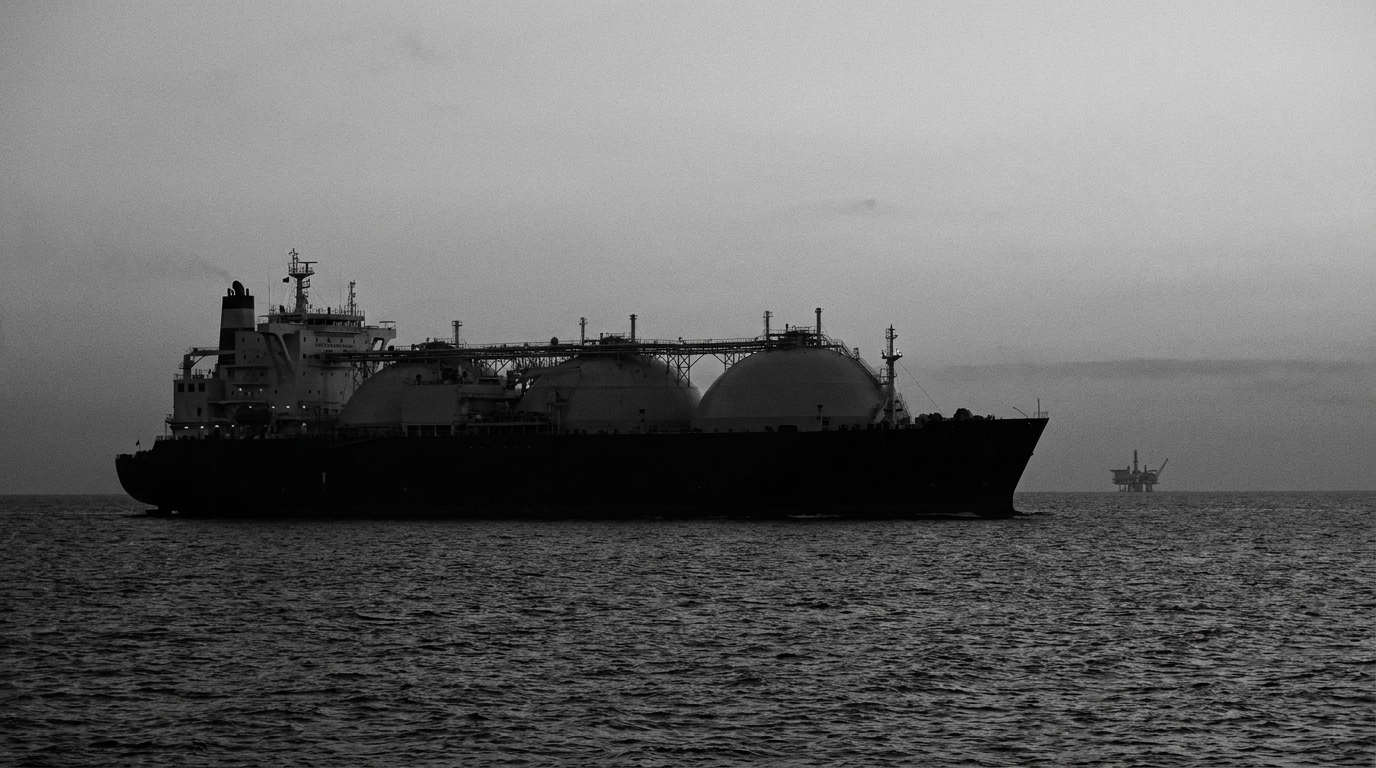
Asia growth is set to improve only modestly in 2026, the Asian Development Bank said, as Middle East supply strains keep costs elevated.
The Manila-based lender now expects the region’s economy to expand 4.9% in 2026, above the 4.7% estimate issued in a special update after the conflict disrupted global energy markets. The forecast still trails the bank’s regular April Asian Development Outlook estimate of 5.1%.
ADB trims April optimism
The revision shows a partial recovery from the bank’s more cautious special update, but not a return to its earlier baseline. The ADB linked the improvement to lower oil prices and some easing in supply disruptions since the most intense phase of the conflict.
The inflation picture follows the same pattern: better than the emergency adjustment, but weaker than the original April outlook. The bank projects inflation at 4.3% in 2026, down from 5.2% in its April update, while still above the 3.6% estimate in the regular April forecast.
For 2027, the ADB expects inflation to slow to 3.4%. It cautioned, however, that the conflict’s effect may not stop at energy, because higher transport and production costs can move through supply chains with a delay.
Costs linger beyond oil
The bank said the conflict has become a longer-running drag than it assumed earlier in the year. "The Middle East conflict has lasted longer than assumed in April, leading to prolonged disruption to energy and supply chains that has raised production costs and will dampen regional activity more than previously anticipated," the bank said.
That warning matters for economies built around export manufacturing, imported energy and tightly timed logistics. Even when crude prices ease, businesses can still face higher insurance, freight, inventory and financing costs if routes remain unreliable.
The ADB said risks to the outlook are still weighted to the downside. It named a renewed escalation of the war, persistent uncertainty in energy markets, tighter financial conditions and a deeper property downturn in China as the main threats.
Shipping routes and food prices
Food inflation is another pressure point in the forecast. The bank warned that disruptions to shipping routes and adverse weather, including El Niño, could lift prices by damaging agricultural production or slowing trade flows.
That channel is important because food and fuel costs hit household budgets quickly, especially in developing economies where essentials take a larger share of spending. If food prices rise while borrowing costs stay restrictive, consumer demand can weaken even as headline growth remains positive.
Three paths for 2026
If oil prices keep easing and shipping disruptions continue to fade, the global macro effect would likely be softer inflation pressure and less strain on trade. For the ADB, that would make its 4.9% growth forecast easier to defend, while manufacturers, shippers and retailers across Asia would get relief through lower input and logistics costs.
If the conflict escalates again, the mechanism runs in the opposite direction: higher energy prices, longer delivery times and more expensive working capital. Global inflation would face a new supply shock, the ADB could come under pressure to mark down growth again, and energy-intensive sectors would absorb the first margin hit.
If China’s property downturn deepens or financial conditions tighten further, the drag would come less from oil and more from demand and credit. That would weigh on regional exports and investment, test the bank’s recovery assumptions and pressure industries tied to construction, commodities, consumer goods and trade finance.
The open questions are concrete: whether energy markets stay calmer, whether shipping lanes normalize, whether food prices respond to weather shocks, and whether China’s property weakness spreads into wider demand. The ADB’s next readings will matter because the difference between 4.7%, 4.9% and 5.1% is not just a decimal point; it marks the gap between resilience and a slower recovery.