Oil prices test peace talks after US-Iran exchange in Gulf
Oil prices rose above pre-war levels after US-Iran fire, as sanctions pressure and stalled peace talks raised Gulf supply risks.
Atlas Newsdesk ·
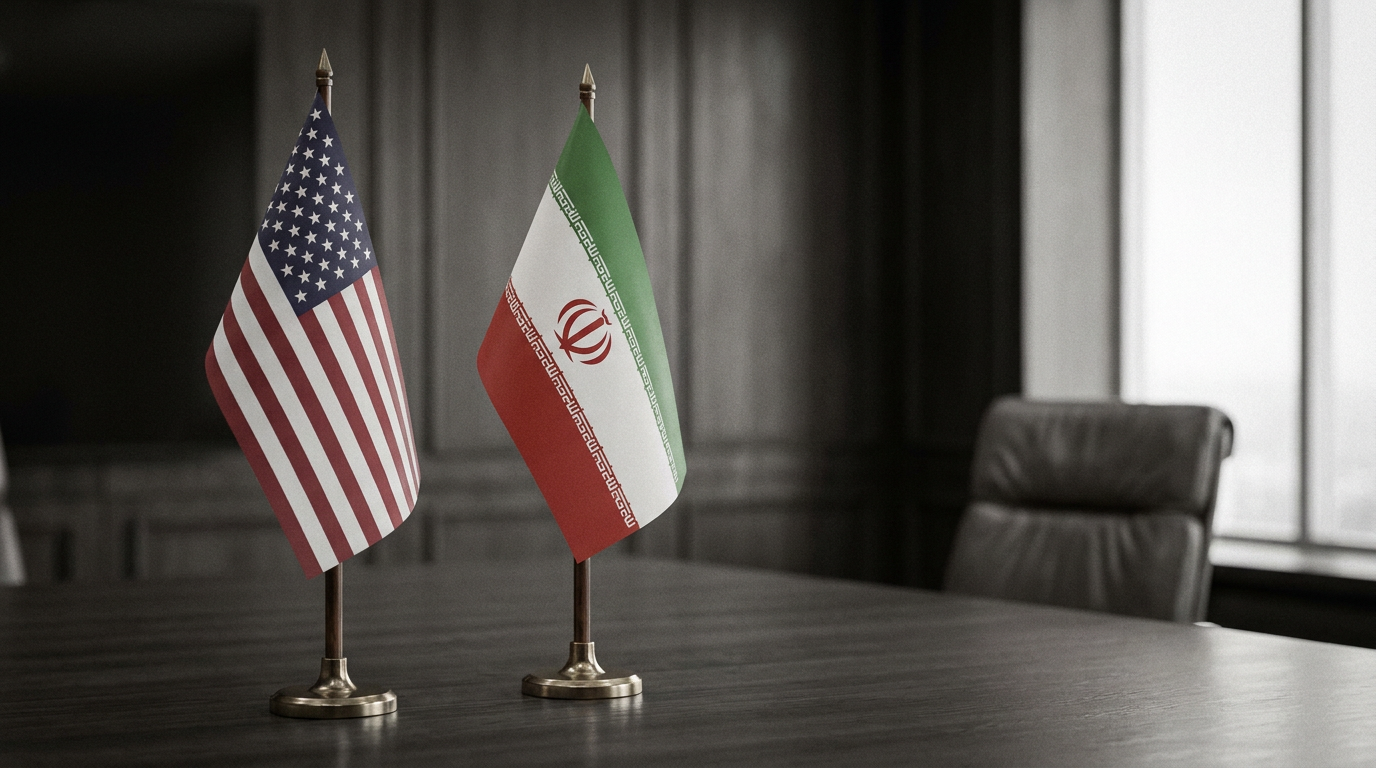
Oil prices rose above pre-war levels after the US and Iran exchanged fire, putting Gulf energy flows and stalled diplomacy back under pressure.
Gulf strikes reset the market
The immediate trigger was a chain of military action around the Strait of Hormuz, the narrow Gulf passage where the source material says Iran attacked tankers. American strikes followed, and Tehran then said it had hit 85 US military targets in the Gulf in retaliation.
The price move matters because traders were no longer responding only to diplomatic rhetoric. They were pricing a conflict that had moved from threats and sanctions into direct military exchanges near a sea lane used by tankers serving global oil buyers.
Sanctions add pressure on Tehran
Washington has also revoked a sanctions waiver that had allowed Tehran to sell oil internationally. That step raises the economic cost for Iran at the same time its military dispute with the US is widening.
The waiver decision changes the pressure points in the standoff. For Tehran, fewer legal channels for oil sales would tighten the link between foreign policy and state revenue; for Washington, sanctions become another lever alongside military action and diplomacy.
The oil market is reacting to both sides of that equation. A supply risk near Hormuz can lift prices quickly, while sanctions can reduce confidence that Iranian barrels will keep moving through formal trade channels.
Talks pause after Khamenei funeral
Negotiations over a longer-term peace deal have been put off until after the funeral of Iran's former supreme leader, Ali Khamenei. The pause comes after talks had already been weakened by recurring violence and demands that do not easily overlap.
Iran wants to retain control of the strait, according to the source material. The US rejects that position and wants Tehran to end its missile program and its support for proxy groups.
Those positions leave negotiators with a narrow path. Any deal would have to address maritime control, sanctions relief, missiles and regional armed networks, while giving each side enough political cover to defend an agreement at home.
Three paths for oil markets
If the pause in talks holds but fighting does not expand, the global effect would likely come through a risk premium rather than a confirmed supply shock. Oil importers would face higher uncertainty, Iran would remain under tighter sanctions pressure, and energy companies would keep scrutinizing shipping, insurance and cargo-routing costs.
If attacks near Hormuz intensify, the mechanism changes. Global markets would focus less on diplomacy and more on physical disruption; Tehran would face the danger of further US action, and the wider oil sector would prepare for delays, higher freight costs and more volatile pricing.
If negotiations restart with a narrower interim deal, the pressure could ease without resolving the larger dispute. The global macro effect would depend on whether prices retreat enough to reduce inflation fears, Iran could seek breathing room for oil sales, and refiners and traders would watch whether cargo flows become more predictable.
The open questions are concrete: whether the 85-target claim is verified by the US, whether tanker traffic faces fresh disruption, and whether the sanctions waiver decision is followed by enforcement actions. Until those answers arrive, oil prices are likely to carry a conflict premium tied directly to Hormuz, sanctions and the pace of diplomacy.