Qatari LNG tanker stranded as Hormuz risks rise
A damaged Qatari LNG tanker was awaiting salvage off Oman after an attack, raising fresh concern over Gulf energy shipping routes.
Mateo Fernandez ·
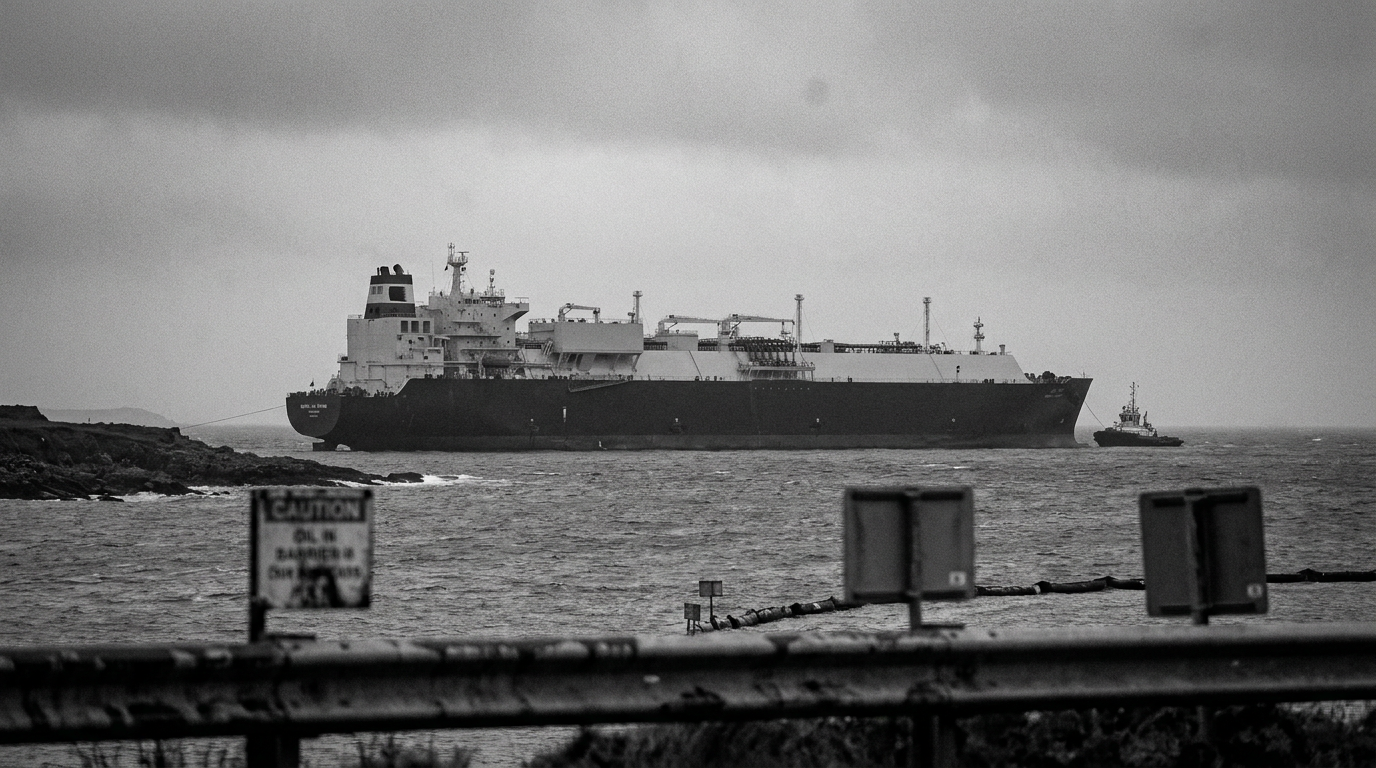
A damaged Qatari LNG tanker was stranded off Oman on Wednesday after an attack, officials said, leaving the vessel awaiting salvage as tensions around the Strait of Hormuz intensified. Reaction pending.
The incident puts renewed attention on one of the world’s most sensitive energy corridors, where disruptions can quickly feed into LNG, crude and shipping risk premiums. Qatar is a major LNG exporter, and the Gulf’s export routes depend on confidence that tankers can move through nearby waters without extended delays or higher security costs.
Hormuz risk returns to LNG shipping
Officials said the tanker was damaged in a strike and remained off Oman while salvage plans were assessed. No verified casualty, cargo or repair-cost details were immediately available from the payload, and the operational status of the vessel was not clear.
For energy markets, the immediate question is whether the incident remains isolated or prompts a broader reassessment of transit risk. If traffic continues without interruption, the impact may stay concentrated in insurance, freight and vessel scheduling. If operators slow sailings or reroute where possible, LNG buyers could face tighter prompt cargo availability and higher delivered costs.
The company tied to the vessel faces a narrower operational problem: salvage timing, hull damage assessment and cargo handling. The wider LNG sector faces a confidence test because even limited disruption near Gulf routes can alter chartering behavior before physical supply is curtailed.
By July 9, 2026, traders will be watching for an official salvage update, confirmation of vessel damage and any sign that insurers or shipowners are changing Gulf transit terms.