France nuclear exports face strain as heat wave spreads
France nuclear power faces output cuts as EDF warns hot rivers could limit cooling at up to five plants during Europe's latest heat wave.
Atlas Newsdesk ·
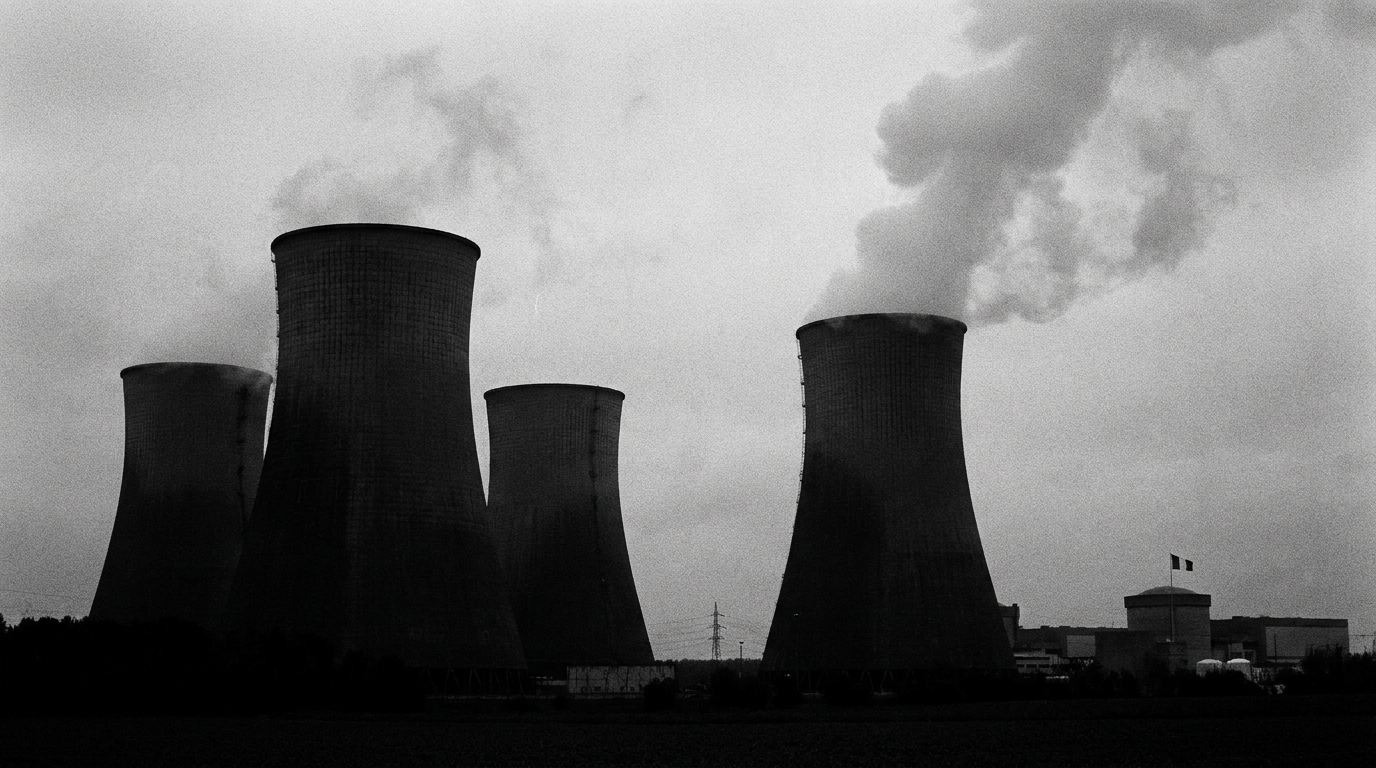
France nuclear power faces fresh heat-wave pressure as EDF prepares output cuts tied to warmer river cooling water across key plants.
Electricite de France SA has warned that as many as five nuclear plants could face generation limits in the coming days. The pressure matters beyond France because the country’s reactors anchor a large share of western Europe’s power supply and often send electricity to Germany and the UK.
EDF is expected to lower production at two reactors this week, according to the company warning described in the source material. The potential reductions come as high temperatures raise the temperature of rivers used to cool nuclear units, forcing operators to balance power output with environmental and safety rules.
Warm rivers test EDF reactors
Nuclear plants need reliable cooling water to run at full capacity. When river temperatures rise, plants can face restrictions because warmer discharge water may breach permitted limits or reduce the cooling margin available to reactors.
The warning covers up to five plants, but the immediate production cuts are tied to two reactors this week. EDF remains the named company at the center of the issue because its fleet supplies low-carbon electricity that helps stabilize regional power markets during demand spikes.
The heat problem is also a timing problem. Western Europe is already facing its third major heat wave of the year, leaving less time for rivers to cool between hot spells.
Europe’s third heat wave spreads
A high-pressure heat dome is forecast to extend across the continent over the next week, according to analysis from MetDesk cited in the source material. Similar conditions helped drive record temperatures in June, and the current pattern is already affecting southeast England, France and Spain.
Switzerland and Italy are also likely to see heat wave conditions develop, MetDesk’s analysis indicated. That broad footprint matters because power systems are interconnected: when several countries face heat at once, local generation limits can coincide with higher cooling demand and tighter cross-border supply.
France’s export role adds another layer. If French nuclear output is reduced, neighboring markets that normally receive French electricity may need to draw more from domestic generation, stored power, imports from elsewhere, or demand-response tools.
Kpler analyst flags river risk
Alessandro Armenia, an analyst at Kpler, said repeated hot spells increase the chance of further strain on the power system. His point is mechanical rather than dramatic: rivers that do not cool between heat waves start the next event from a warmer baseline.
That means future restrictions do not necessarily require temperatures to exceed earlier summer peaks. If river temperatures remain elevated, even a slightly milder hot spell could still tighten operating conditions for nuclear plants that depend on those waterways.
The direct risk for EDF is lower output during a period when electricity demand can rise because of air-conditioning use. The sector risk is wider: nuclear curbs can lift the burden on gas-fired plants, renewables, storage and imports, especially during evening hours when solar generation fades.
Cooling rules shape power flows
If the heat dome persists and river temperatures stay high, the global macro effect would come through European energy prices and fuel demand. Higher reliance on gas-fired generation in parts of the region could tighten fuel balances and raise power costs for industry and households.
For EDF, that same scenario would mean more output management across the affected plants and closer scrutiny of reactor availability. For the wider electricity sector, the mechanism would be simple: less nuclear supply would increase the value of flexible capacity, including batteries, interconnectors and dispatchable generation.
If temperatures ease and rivers cool quickly, the pressure on EDF’s plants would likely recede and cross-border flows could normalize. The open questions are how long the heat dome lasts, how rapidly river temperatures respond, and whether additional EDF units join the two reactors already slated for reductions this week.