Baghdad weighs Iraq OPEC exit over higher output limits
Iraq OPEC exit discussions have surfaced as Baghdad presses for a sharply higher production quota amid lost revenue and disrupted Strait of Hormuz exports.
Omar Farouk ·
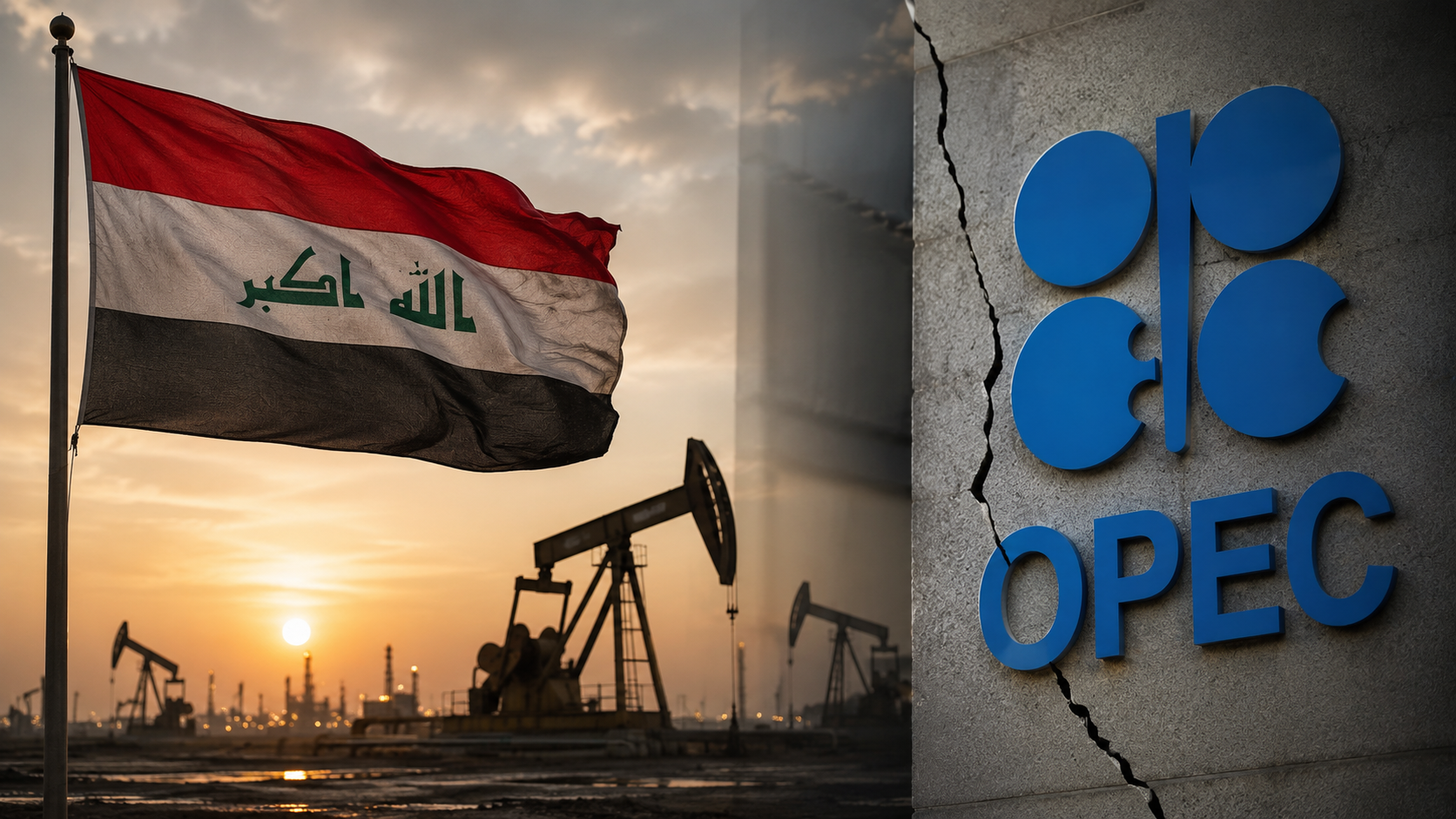
Iraq OPEC exit discussions have surfaced as Baghdad presses for a sharply higher production quota amid lost revenue and disrupted Strait of Hormuz exports.
People familiar with internal deliberations said Iraq has weighed leaving the Organization of the Petroleum Exporting Countries if it is not allowed to raise production meaningfully. A senior oil ministry official also said the government wants a higher quota, while describing departure as previously considered but not the current plan.
Iraq is OPEC’s second-largest producer after Saudi Arabia and one of the group’s five founding members. OPEC was established in Baghdad in 1960, making Iraq’s membership symbolically important as well as materially significant for supply management.
Quota dispute emerges as exports face disruption
The immediate trigger is Iraq’s push for more output headroom inside OPEC’s quota system. Iraq’s July quota is set at 4.378 million barrels per day, a level Baghdad wants increased according to sources.
However, Iraq’s current production is described as well below its quota because exports have been constrained by disruption linked to the Strait of Hormuz. The oil ministry official said the state’s finances have been hit, intensifying pressure to secure better terms inside the producer group.
Oil is the central pillar of Iraq’s public finances, providing the bulk of government income. With revenue reduced during the regional conflict, officials are confronting a financial crisis that is sharpening the debate over whether OPEC’s limits still serve Iraq’s interests.
OPEC faces credibility test after another member departure
The possibility of Iraq leaving would land at a sensitive moment for OPEC cohesion. The group has already lost the United Arab Emirates, which departed less than two months ago, according to the people cited.
Losing Iraq would be a far larger shock because of its output scale and founding-member status. It could also complicate OPEC’s ability to present unified production policy, a key tool the group uses to influence global balances between supply and demand.
The senior oil ministry official said Iraq’s approach is to stay in OPEC and argue for a higher quota, rather than immediately pursue withdrawal. Even so, the renewed discussion of an Iraq OPEC exit signals that quota negotiations are becoming more confrontational as fiscal pressures mount.
What the talks signal for oil supply policy
At the core of the dispute is how OPEC allocates production allowances among members with different capacities and domestic budget needs. Iraq’s case is shaped by a reliance on crude exports and the need to stabilize state finances while exports are disrupted.
If Baghdad succeeds in obtaining a higher quota, it would formalize greater production potential once export routes normalize. If it fails, the fact that exit has been considered suggests Iraq could seek more autonomy over production policy, reducing OPEC’s leverage over a major supply source.
For markets and policymakers, the next signals will come from OPEC’s internal quota discussions and any formal statements from Baghdad about its intentions. In the near term, Iraq’s actual output remains constrained by the Strait of Hormuz disruption, but the political and economic pressures shaping its position appear to be increasing.
OPEC’s response will matter not only for Iraq’s fiscal outlook but also for perceptions of the group’s unity after a recent high-profile departure. The immediate next step is whether quota talks produce a compromise that keeps Iraq inside the organization while addressing its demand for significantly more production room.