US Business Activity Gains Speed in April as Manufacturers Rush to Secure Supplies
Survey data point to stronger factory demand, but much of the momentum appears tied to stockpiling and rising input costs.
Atlas Newsdesk ·
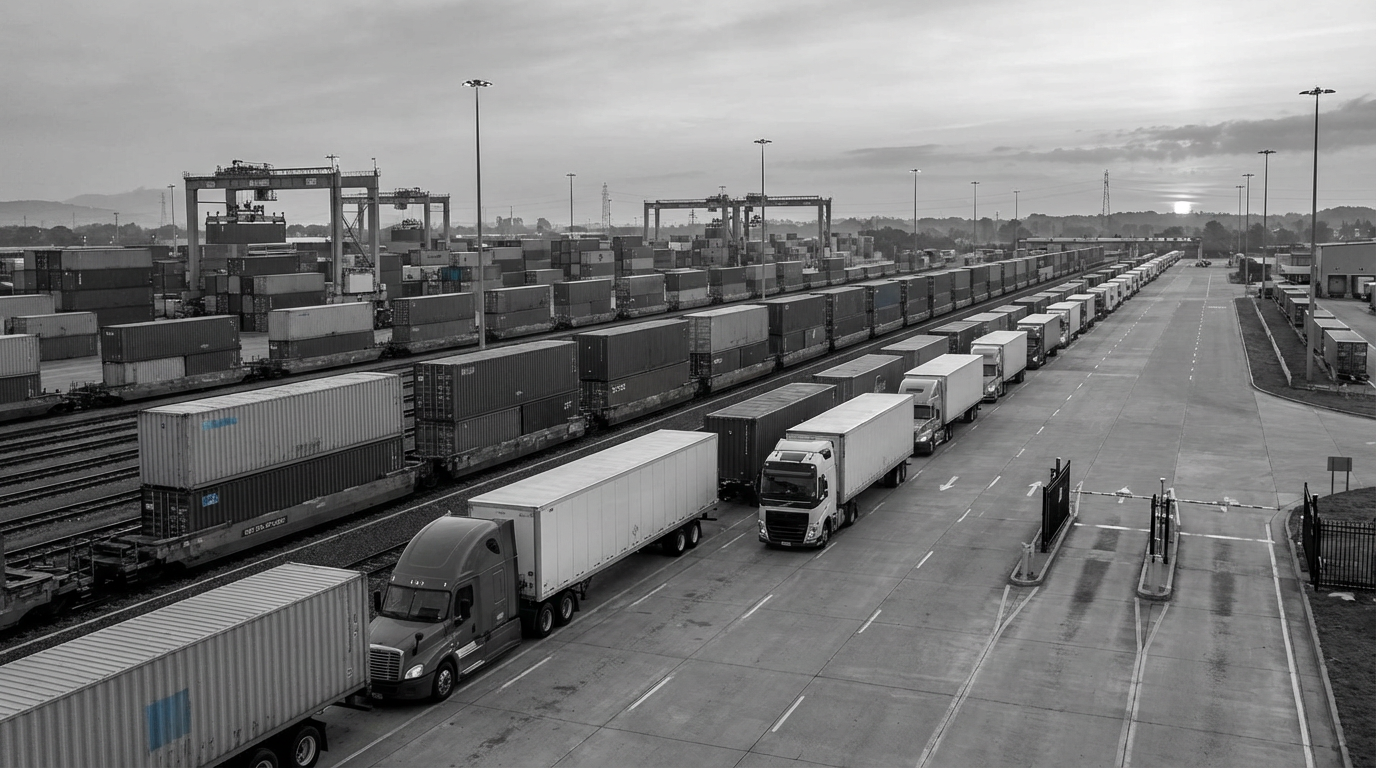
US private-sector activity strengthened in April, led by a surge in manufacturing as companies rushed to lock in supplies before conflict-related shortages and higher costs spread through the economy.
Activity Turns Higher
US business activity accelerated in April, with manufacturing delivering its strongest expansion in almost four years as companies moved quickly to secure materials before supply conditions worsened. S&P Global’s flash composite index rose 1.7 points to 52, the highest in three months, signaling continued growth across the private sector. A reading above 50 indicates expansion.
Why the Rebound Happened
The improvement was driven largely by factories, where output climbed sharply and new orders increased at the fastest pace since May 2022. Business sentiment also improved, reaching its strongest level in more than a year. But the pickup did not reflect simple demand strength alone: some firms reported buying ahead of expected shortages and price increases linked to the war involving Iran and the broader conflict in the Middle East.
Echoes of the Pandemic
Chris Williamson, chief business economist at S&P Global Market Intelligence, said part of the rise in orders appeared tied to safety-stock building, with respondents describing “panic” and “emergency” buying. That language points to a familiar pattern from the pandemic period, when companies increased inventories to protect themselves from delays and cost jumps. This time, the trigger is geopolitical risk rather than a public-health shutdown, but the business response looks similar.
Costs Are Rising Fast
The same pressures that lifted factory demand also tightened supply conditions. Delivery times from suppliers lengthened to the worst level since August 2022, and manufacturers reported the fastest increase in input costs in nearly a year. Companies did not absorb much of that hit: S&P Global’s composite gauge of prices charged rose to 59.9, the highest since July 2022, showing that businesses are passing higher costs through to customers at a faster pace.
Impact on Inflation and Industry
That shift matters well beyond factory floors. A broad rise in selling prices across both goods and services suggests inflation pressure is widening again after a period of moderation. Williamson said the current backdrop is producing the most troubling inflation picture in almost four years, with price increases no longer limited to energy but spreading across a wider range of products and services. For manufacturers, the near-term benefit of stronger orders may be offset by more expensive inputs and greater uncertainty over supply availability.
Services Offer Limited Support
The service sector returned to growth after contracting a month earlier, but the rebound remained weak. A measure of new business in services fell to a two-year low, indicating demand is still soft in a large part of the economy. That leaves the April improvement looking uneven: factories are carrying the expansion, while service providers continue to see less momentum from customers.
What to Watch Next
The immediate question is whether April’s factory strength marks a durable recovery or a temporary burst of precautionary buying. If businesses were mainly filling warehouses before expected disruptions, activity could cool once inventories are rebuilt. At the same time, the combination of stronger output, longer delivery times, and faster price increases raises the risk that supply shocks from overseas will feed into US inflation just as policymakers and businesses were hoping for more stable conditions.