Mideast Tensions Bolster Dollar's Ascent
Dollar holds near a 1.5-week high as Iran-U.S. tensions lift oil above $100 and boost safe-haven demand; euro slips toward a weekly loss.
Atlas Newsdesk ·
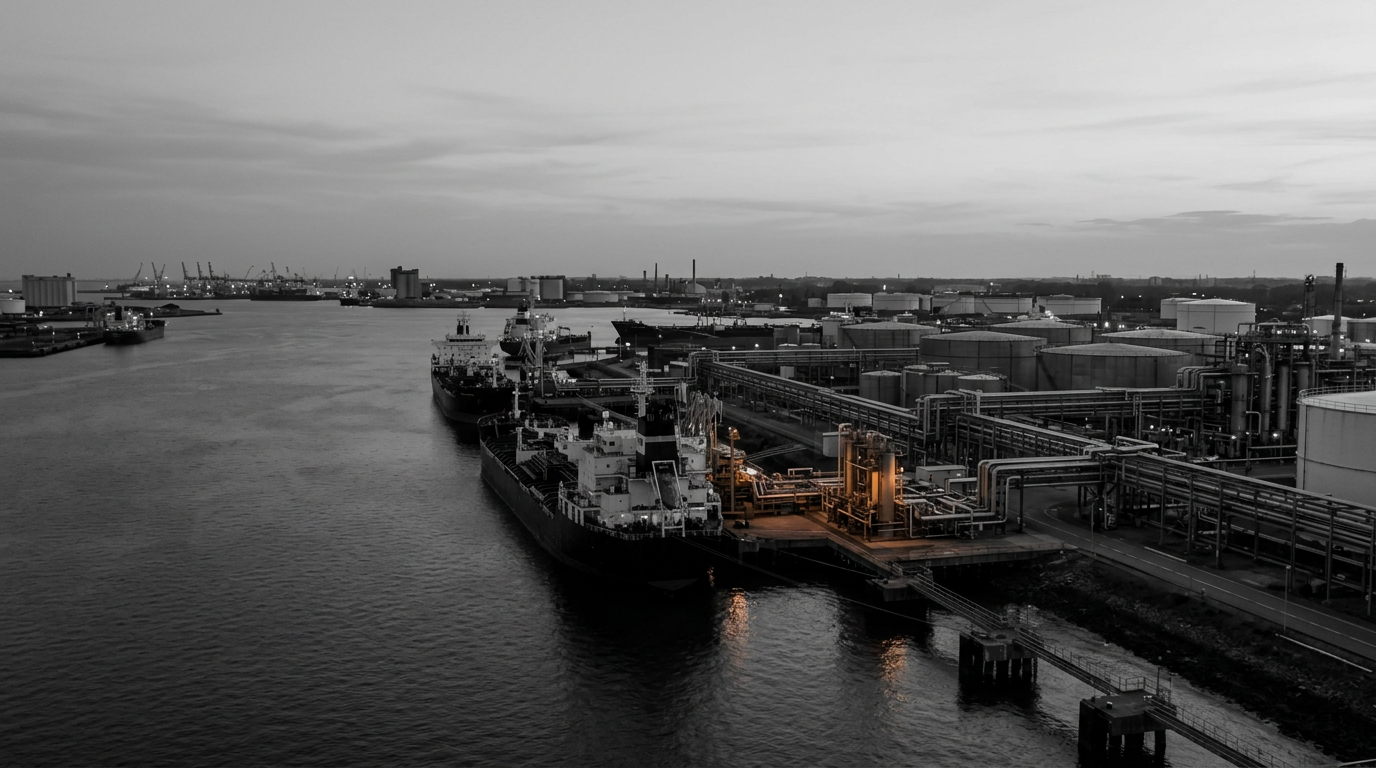
The U.S. dollar stayed close to a 1.5-week high on Thursday, April 23, in Hong Kong, as investors reacted to rising tensions between Iran and the United States in the Middle East. Officials and market participants pointed to the geopolitical standoff as a driver of safe-haven demand, supporting the greenback while risk sentiment weakened.
The move in currencies came alongside a sharp rise in energy prices. Oil was reported above $100 per barrel, a development that has weighed on broader confidence and shifted attention to inflation risks. The situation has been described as an energy shock with global reach, adding to price pressures and undermining consumer confidence.
The latest escalation followed Iran’s seizure of two ships in the Strait of Hormuz on Wednesday, April 22, despite a U.S. ceasefire extension. Disputes remain over the ceasefire, the blockade, nuclear issues, and control of the strategic strait, which was described as effectively shut. The Strait of Hormuz is a critical route for energy flows, and the reported disruption has been central to the market’s focus on oil and inflation.
In markets, the dollar index, which tracks the currency against six major peers, was at 98.644, near its highest level since April 13. The euro was quoted at $1.1712, its lowest level since April 13, and was on course for a 0.4% weekly decline. The pricing reflected a shift toward the dollar as investors assessed the implications of higher energy costs and heightened geopolitical uncertainty.
Analysts said expectations are building that the U.S. Federal Reserve could postpone interest rate cuts by at least six months if war-driven energy shocks revive inflation. The focus has turned to whether higher oil prices translate into broader and more persistent price pressures, which can influence the timing of policy easing. Market attention has also been drawn to how energy costs may filter through to households and businesses, affecting spending and confidence.
Traders are watching upcoming U.S. jobless claims and PMI releases for signals on how rising energy prices are affecting economic activity. Those data points are expected to add detail on labor-market conditions and business momentum at a time when inflation concerns are being re-evaluated. For now, the dollar’s resilience has been closely tied to safe-haven flows and the inflation-sensitive reaction to oil.